

Floods: The New Normal?
August 13, 2025
Floods aren’t just breaking records—they’re breaking lives. Picture this: streets turned into raging rivers, rooftops barely peeking above swirling brown water, and rescue boats zigzagging through what used to be quiet neighborhoods. Right now, parts of the Midwest are drowning. Not long ago, New York City’s subways became underground lakes. Last month, Beijing was hammered with a year’s worth of rain in just days, killing 38 people. In Texas, massive floods claimed 119 lives. And now, Tennessee is under siege from rising water—where one family’s life ended in an instant when flood-loosened trees came crashing down on their car. Torrential rains swamped homes and roads across Mexico City on August 10th and 11th. The heavy rain even closed the Benito Juarez International Airport.
Flooding isn’t new—but it’s definitely happening more often and hitting harder. So, what’s going on?
Why Floods Are Getting Worse
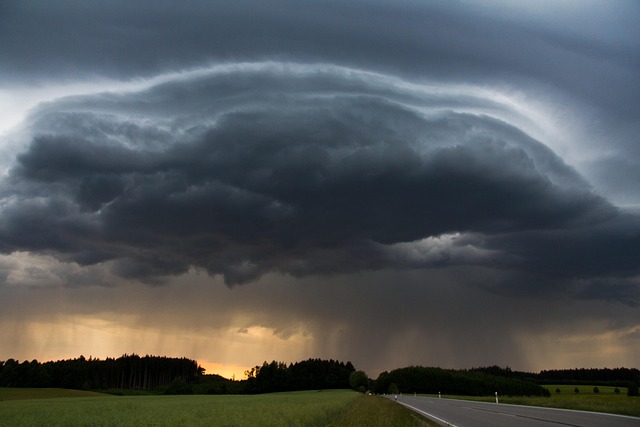
A big part of the answer is climate change. Think of warmer air like a giant sponge—it can soak up more moisture than ever before. But here’s the catch: when that sponge “squeezes,” it lets go all at once. That’s why we’re seeing sudden, intense downpours that can flood a neighborhood in hours. Stronger storms, powered by extra heat, hit harder and last longer, dumping water faster than rivers and drains can handle. Meanwhile, hotter days bake the ground dry, so when the rain finally comes, the soil can’t absorb it—it just runs off, racing into streets and basements. And with less snow to slowly melt in spring, we’re losing nature’s built-in water release valve. Instead, we get bursts of rain that crash down all at once, creating the perfect storm for disaster.
Sea Level Rise: A Coastal Threat
Sea level rise is making things even worse for coastal communities. As the ocean gets warmer, the water expands (thermal expansion), and melting ice from glaciers and ice sheets adds even more. That means higher tides and storm surges can push farther inland, flooding areas that used to stay dry. In some places, “sunny day” floods—when streets flood just from a high tide—are now a regular thing. A 2024 NOAA report says the U.S. now has about five more days of high-tide flooding each year than it did in 2000.
In the 2024, more than 30 places, including St. Petersburg, FL, Atlantic City, NJ, and Charleston, SC, tied or broke records for flood days. Galveston, TX had 23 days of high-tide flooding—some of the most in the country. Even a few inches of water can block roads, slow down emergency vehicles, cause sewer backups, and make it hard for people with strollers or wheelchairs to get around. Saltwater can also damage cars, erode pipes, and force businesses to close.
Sea levels aren’t rising at the same speed everywhere, but in many places—like the Gulf Coast, the Mid-Atlantic, and Pacific Islands—high-tide flood days have gone up by over 250% in just 25 years. Experts say decades of sea level rise are now catching up with us, turning ordinary high tides into serious flooding events.
The Hidden Toll of Floods
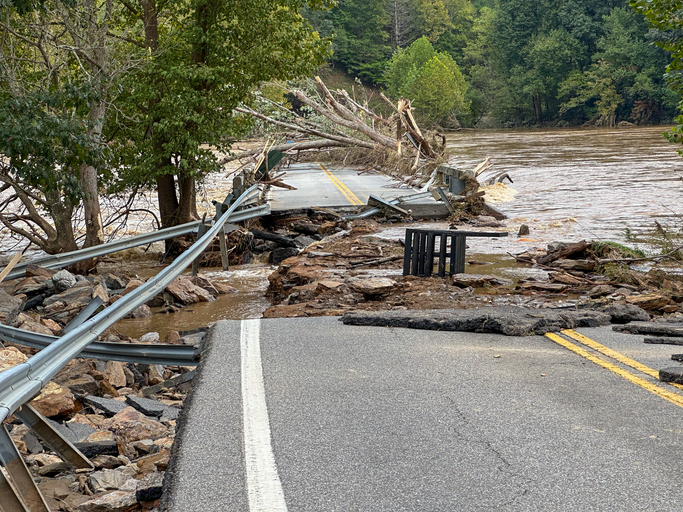
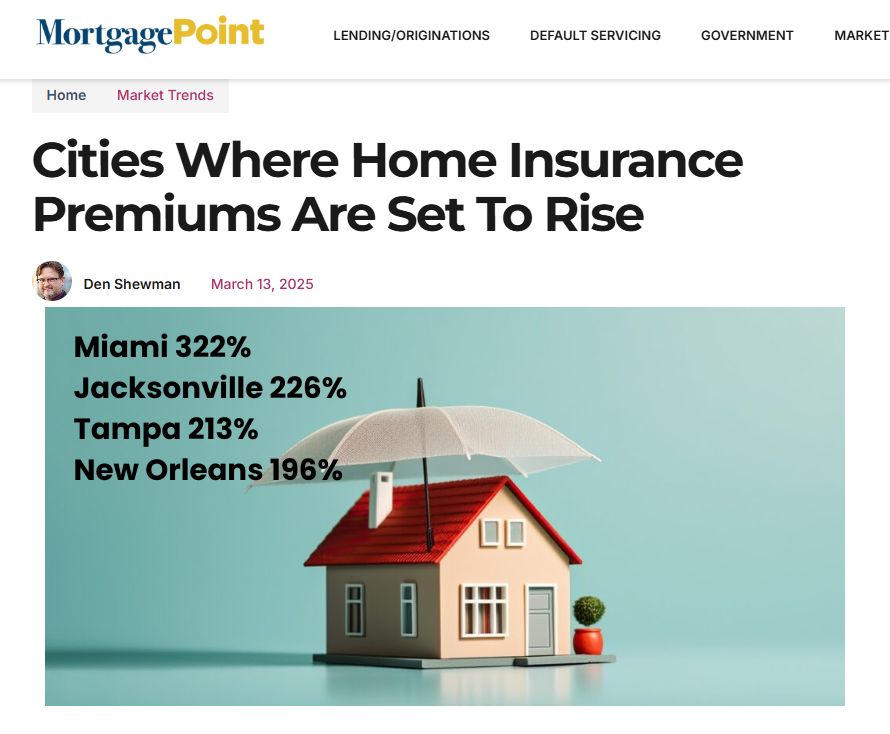
As of 2024, the annual cost of flooding averaged over $32 billion in the U.S. And that’s just the direct damage to buildings, roads, and infrastructure. It doesn’t include the dropping value of homes in flood-prone areas, the health and safety risks from contaminated floodwater, or the spike in waterborne illnesses that often follows. Rising insurance premiums are making it harder for families to afford coverage, and in some places, insurance companies are pulling out entirely, leaving homeowners on their own. Businesses lose income when they have to close for repairs, and schools sometimes shut down for weeks. The ripple effects can last for months—or even years—after the water recedes.
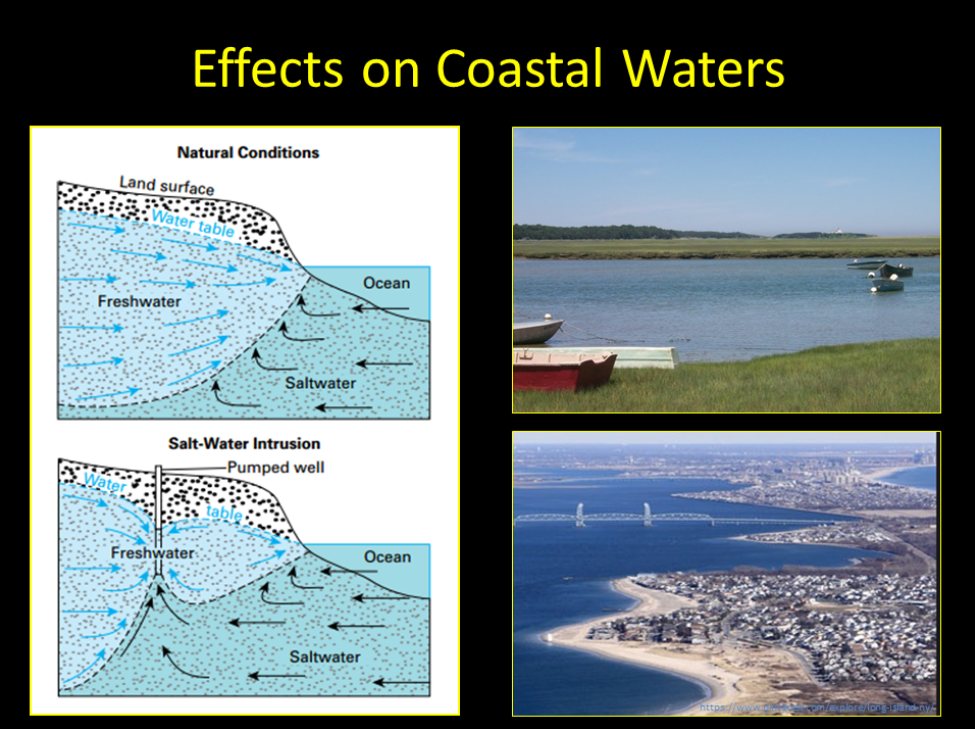
Another side effect of sea level rise is saltwater intrusion, which happens when saltwater moves underground into areas where there’s normally freshwater, like in an aquifer (a natural underground water storage). This usually happens near the coast, where rising sea levels, over-pumping of groundwater, or storm surges push saltwater into the spaces that used to hold fresh drinking water. Once saltwater gets in, it’s hard—and expensive—to remove, which can make the water unsafe to drink and harm crops that rely on freshwater.
- 📉 Falling home values in high-risk areas
- 🏥 More health problems from polluted water
- 💸 Skyrocketing or canceled insurance policies
- 🚫 Lost jobs and income when businesses close
- 🎒 School closures and learning disruptions
- 🛠 Long recovery times for roads and utilities
More Water, More Floods
Higher high tides: Many coastal cities now experience “sunny day” floods—when streets flood without a drop of rain—because the tide alone is enough to overflow storm drains. For example, Miami now sees these tidal floods dozens of times a year, and it’s expected to triple by 2050.
Stronger storm surges: When hurricanes or nor’easters hit, the extra water from sea level rise means storm surges push farther inland, damaging more homes and businesses. During Hurricane Sandy in 2012, sea level rise added several inches to the surge, flooding an estimated 80,000 additional homes in New York and New Jersey.
Faster erosion: Rising seas eat away at beaches and wetlands that naturally protect against floods, leaving communities more exposed to storm damage. In Louisiana, whole stretches of coastline have disappeared in just decades, removing critical flood buffers.
Global ripple effects:
- In Jakarta, Indonesia, sinking land and rising seas combine to cause regular flooding—forcing the government to begin relocating the capital city to Borneo.
- In Norfolk, Virginia, military bases face frequent tidal flooding, creating national security concerns.
Sea level rise turns ordinary rainstorms into major floods and makes big storms far more destructive. The combination of heavier rainfall from climate change and higher seas is like stacking two disasters on top of each other.
Don’t Sit Back–Take Action!
The good news? We’re not helpless. Don’t give up hope. Cutting the greenhouse gas emissions that cause climate change can slow things down. Smarter city planning—like planting more trees, building rain gardens, and restoring wetlands—can soak up water before it floods our homes. Updating building codes, improving drainage systems, and protecting natural flood barriers can make communities more resilient. Floods may be getting worse, but the choices we make now can protect our communities and keep our feet (and everything else) a lot drier in the future.
Explore my Solutions and Renewable Energy pages to see how we can turn the tide on climate change—together!