Pollution
-
Environmental Justice: Why Your Zip Code Can Determine Your Health
Take a deep breath. Now picture filling a glass of water at your kitchen sink. Most of us don’t think twice about either one. But here’s something you may not know: in the United States, how clean your air and water are depends a lot on where you live — and on who your neighbors are. I just returned from Humboldt County, where I witnessed this first hand. I was absolutely horrified. That’s not an accident. And the fight to fix it has a name: environmental justice. What Does “Environmental Justice” Actually Mean? It’s a simple idea. Everyone deserves clean air, clean water, and a safe place to live —…
-
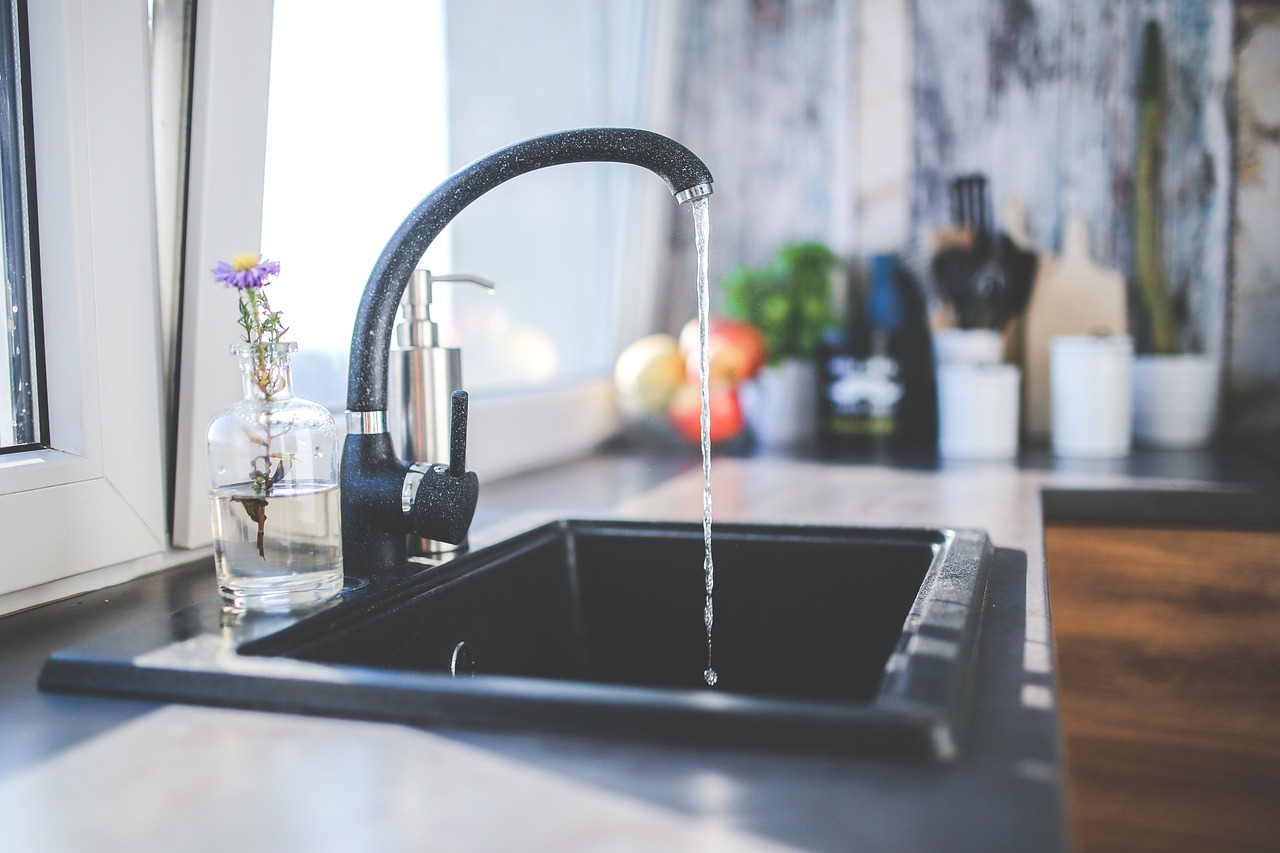
Toxic PFAS May Be in Your Tap Water
Nearly half of the nation’s tap water is thought to contain one or more kinds of chemicals called PFAS, which stands for per- and polyfluorinated alkyl substances. This finding comes from a recent study by the U.S. Geological Survey (USGS). Believe it or not, there are over 12,000 different types of toxic PFAS, but we can’t detect all of them with the tests we have now. In this study, the USGS looked for 32 specific types of PFAS. What exactly are PFAS? Toxic PFAS chemicals are used in a lot of everyday products, like nonstick cookware, food packaging, stain-resistant fabrics, firefighting foams, and even cosmetics. There are over 14,000 of…
-
Wildfire Smoke: How to Stay Safe Indoors
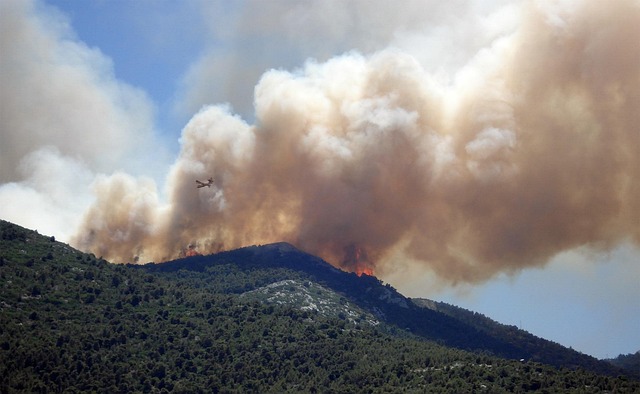
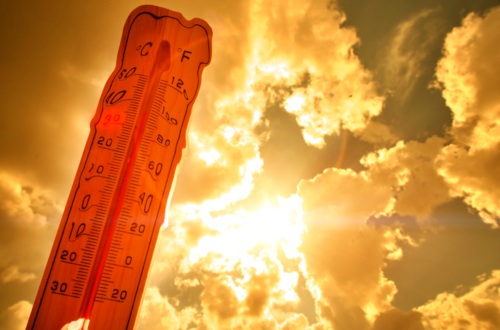
If it seems like wildfire smoke is everywhere this summer, you’re not imagining it. Wildfires are burning across parts of the United States, Canada, and Western Europe, and the smoke isn’t staying anywhere near the flames. Winds can carry it hundreds—or even thousands—of miles away. That means even if you live far from an active wildfire, you could still wake up to hazy skies and unhealthy air. Most of us know to stay indoors when the air gets smoky. But here’s something many people don’t realize: wildfire smoke can get inside your home, too. The good news? There are several easy things you can do to keep your indoor air…
-
Oohs, Ahhs, and Toxic Aftermath of Fireworks
Fireworks look amazing lighting up the night sky, but scientists have discovered they leave behind pollution that can linger long after the show is over. Three new studies looked at what really happens after the fireworks fade. Leftover Firework “Trash” Pollutes Water After fireworks explode, burned pieces and leftover chemicals fall back to the ground. Rain can wash this debris into nearby rivers and lakes, where it releases metals and other chemicals into the water. It can also change how other pollutants behave. Scientists worry this could disrupt the tiny microbes and other organisms that help keep these ecosystems healthy, especially in places where fireworks are used year after year.…
-
The Dirty Truth About Your Produce—and How to Clean It
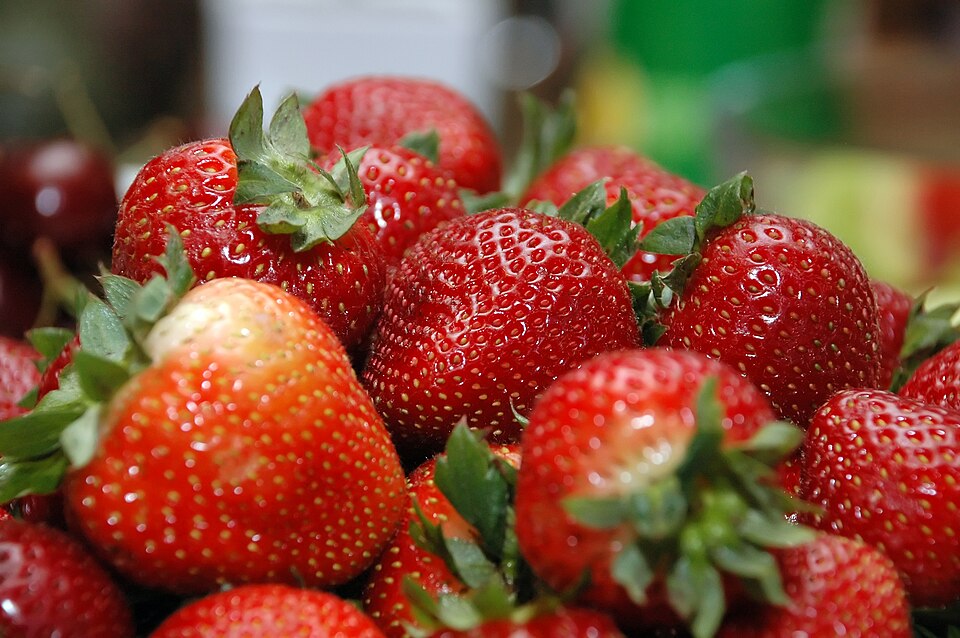
Strawberries may be sweet and juicy, but they made third place in this year’s “Dirty Dozen” list from the Environmental Working Group (EWG). The Dirty Dozen is an annual report that looks at which fruits and vegetables have the highest levels of pesticide residue based on testing by the U.S. Department of Agriculture. Other foods on the list include spinach, kale, blueberries, grapes, peaches, cherries, apples, pears, and potatoes. The good news is that simply rinsing fruits and vegetables under running water can remove many pesticide residues. Some scientists say you can make washing even more effective by soaking produce in water mixed with a little baking soda or vinegar.…
-
Are Hair Products Safe? New Report Finds Cancer-Linked Ingredients
A new report raises serious concerns about cancer-linked ingredients in some hair products sold in stores like Sally Beauty. Researchers found that many of these products—especially those marketed to Black women and other women of color—may contain chemicals linked to cancer and other health problems. What Did the Researchers Find? Scientists tested hundreds of hair products made for curly, coily, and textured hair. These included things like hair relaxers, straightening creams, conditioners, and styling products. They discovered that many of these products contain toxic chemicals that can release formaldehyde, a substance known to cause cancer. Even when formaldehyde isn’t listed on the label, some ingredients can turn into it when…
-
A Planet Under Pressure: Global Emissions in 2025
As 2025 wraps up (even though it feels like it just started!), here’s a quick update on global greenhouse gas emissions. Sadly, the news isn’t great—our three biggest heat-trapping gases are still risi Carbon Dioxide (CO2) Emissions CO₂ is one of the main greenhouse gases. Greenhouse gases act like a blanket around Earth, trapping heat. We need some of them to keep the planet warm enough for life, but too much makes Earth heat up too fast. CO₂ comes from burning fossil fuels like coal, oil, and natural gas. It also comes from wildfires and volcanoes. Scientists have been measuring CO₂ since 1958 at the Mauna Loa Observatory in Hawaii.…
-
Pods, Sheets, and Hidden Plastics: What’s Really in Your Detergent?
I try to do the right thing — recycle, reuse, and make choices that are better for the planet. But I’m learning something new every day. Recently, thanks to my friend, Kathleen, I found out that those “eco-friendly” laundry pods and detergent sheets I thought were a smart switch weren’t so green after all. The thin film that makes them “dissolve” in water is actually made of plastic — hidden plastic that doesn’t really disappear. Pods and laundry sheets marketed as eco-friendly aren’t at all! Although that film, called PVA, may look harmless, but it actually adds more microplastics to our waterways—and even our bodies. What Exactly is PVA? PVA,…
-
When Plastic Breaks Down, Kids Pay the Price
Microplastics are tiny pieces of plastic—no bigger than 5 millimeters, about the size of a pencil eraser. They’re everywhere. Each year, people release an estimated 10 to 40 million metric tons into the environment, and if we don’t change our habits, that amount could double by 2040. Most microplastics come from bigger plastic items that slowly break apart, but some are actually made on purpose and added to everyday products like paint, cleaning supplies, toothpaste, plastic-wrapped food, and even baby bottles and shampoo. Plastic may be convenient, but it’s more than just trash on beaches and roads. It can sneak into bodies — especially young ones — in surprising ways.…
-
The 7 Types of Plastic—and How to Deal with Them
Do you ever wonder what the numbers inside the triangle on the bottom of plastic containers mean? Those numbers show that not all plastics are the same. In fact, there are 7 types of plastic, and each one is used for different things—and recycled (or not) in different ways. Understanding what these numbers mean can help you make smarter choices and keep more plastic out of the ocean and landfills. When you toss plastic into the recycling bin, you probably think it’s being turned into something new—like another bottle or a piece of clothing. But in reality, that’s not usually what happens. Most plastic doesn’t get recycled. The arrow symbol…
-
The Truth About Fake Grass: It’s Not So Green After All
When I worked at NASA’s Jet Propulsion Laboratory (JPL) in Southern California, I thought a lot about water—how precious it is here on Earth. Living in drier area, I wanted to save water at home. My front lawn took a lot of it, so I replaced the grass with fake grass, or “artificial turf”. Doing your homework is really important. I tested different types to see which stayed cooler in the sun. I picked one that didn’t get too hot and said it was recyclable. It seemed like a smart, eco-friendly choice. Win-win, right? I didn’t know then what I know now: that fake grass can contain toxic chemicals. That…
-
Big Ship Pollution: A New Deal to Clean Up the Seas
A New Deal to Clean Up the Seas Have you ever wondered how stuff from across the world ends up at your local store? Giant ships carry nearly everything we buy—clothes, toys, electronics, even food. But there’s a big problem: big ship pollution. Those gigantic ships burn dirty fuel, and that pollutes our air and warms our planet. Now, there’s a new plan to help change that. What’s The Big News? Countries around the world are working on a new agreement that would require ships to cut their pollution—or pay a fee if they don’t. This deal is being talked about by the International Maritime Organization (IMO), which is kind…
-
Ocean In Trouble: Toxic Algae Is Killing Sea Life
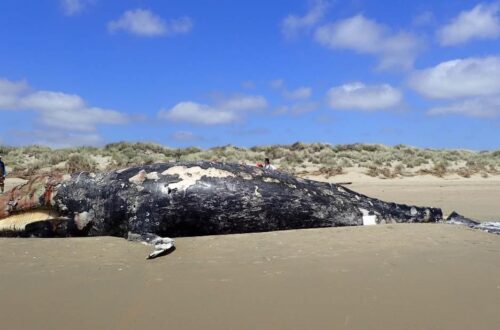
Off the coast of Southern California, something heartbreaking is happening for the fourth year in a row. A toxic algae bloom — caused by tiny ocean plants growing out of control — is making sea lions and dolphins sick. Many are getting stranded on beaches, helpless and confused. Some are even dying. This bloom started earlier than usual this year, likely because ocean waters are warmer than normal. Toxic algae produce a dangerous poison called domoic acid. It builds up in fish, and when sea lions and dolphins eat those fish, the poison attacks their brains. Sick animals may seem disoriented, have seizures, or lose their ability to swim and…
-
Pills in the Gills: Why Fish Are Acting So Weird
Fish are acting strange—and human medicines might be to blame! Find out how drugs from our bathrooms are ending up in rivers and messing with fish brains.
-
Poison in Disguise: The Scary Side of Plastic Recycling
When we think of plastic recycling, we usually imagine helping the planet—turning old stuff into something new instead of throwing it away. But did you know that recycling plastic might actually be more harmful than helpful in some cases? We’ve grown up being told that recycling is the best way to help the planet. It became a badge of honor: rinse the yogurt cup, separate the caps, fill the blue bin. It felt like the right thing—and for a long time, it was one of the best tools we had. But now, the story’s getting more complicated. I’ve decided to dig deeper and ask myself, “Am I really helping?” I…
-
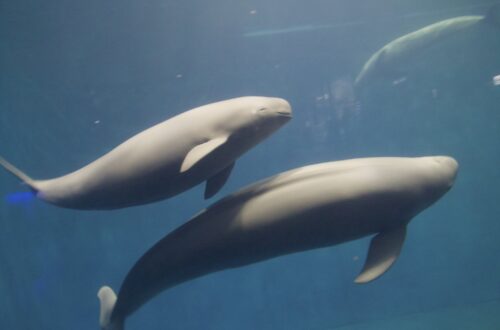
Smiling Angel in Peril: The Yangtze Finless Porpoise
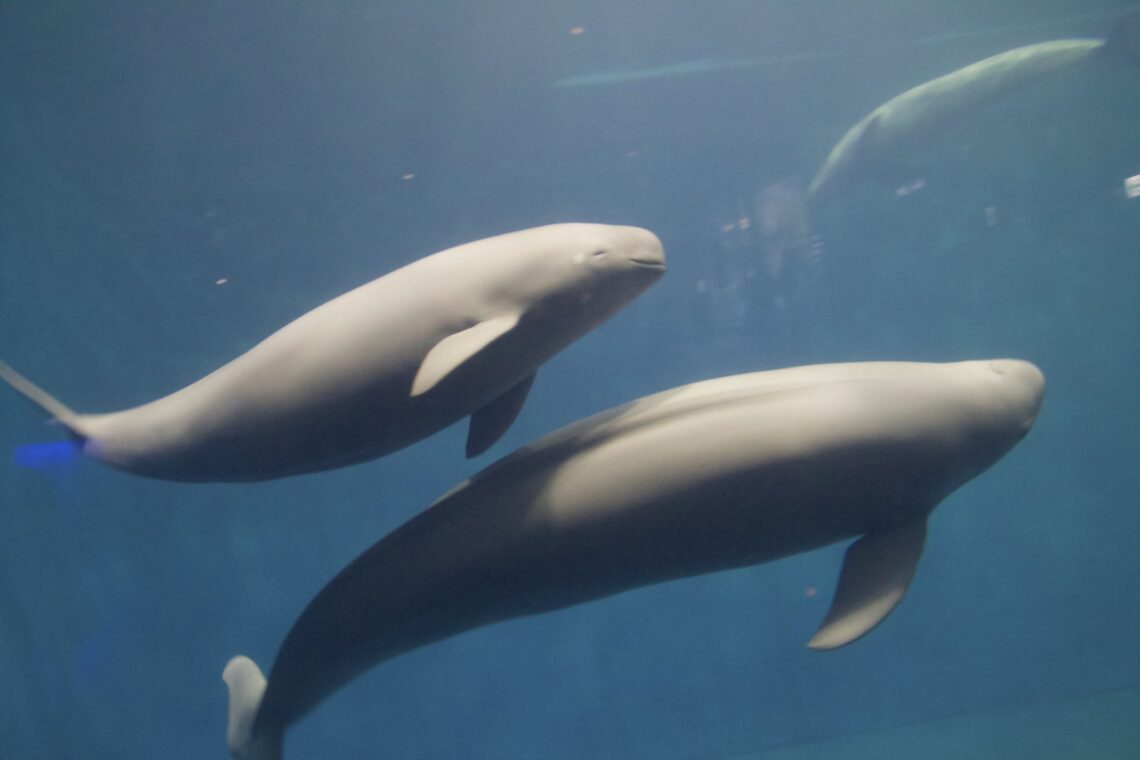
By Holly Shaftel, contributing writer In China’s Yangtze River, a shy, finless “Smiling Angel” glides through the water, echolocating with others of its kind. This is the Yangtze finless porpoise, the world’s only known freshwater porpoise. It once shared its habitat with the Baiji dolphin, however that species was declared functionally extinct* in 2007. Now, the porpoise faces its own fight for survival. In 2013, the International Union for Conservation of Nature (IUCN) listed it as critically endangered due to growing threats from human activity. Will the porpoise disappear next? Why Do We Need the Yangtze Finless Porpoise? Nature is like a giant game of Jenga. Each species is a…
-
The High Cost of Cheap Clothes: Fast Fashion Waste
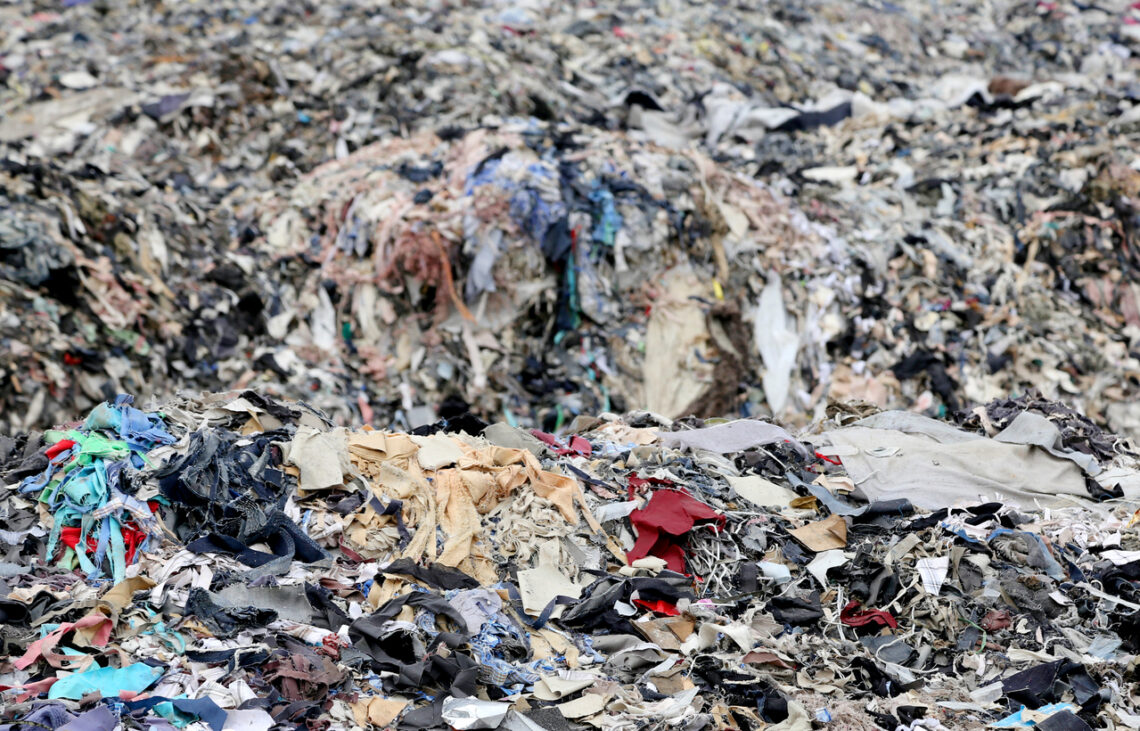
Happy Earth Month! This is a time when people around the world come together to clean up trash, including plastic and fashion waste, and help protect the environment. We often hear about plastic pollution and food waste, but what about fashion? Believe it or not, the fashion industry is a huge polluter. And Fast fashion is the worst of all. The Shocking Truth About Fast Fashion Every year, manufacturers produce over 100 BILLION pieces of low-cost clothing. Many of these clothes contain harmful chemicals and harm the environment. The Environmental Cost of Fast Fashion Fast fashion is a major problem for our planet. Here’s how: It’s a carbon monster – the…
-
Plastic Everywhere: Microplastics Are Harming Birds–And Us
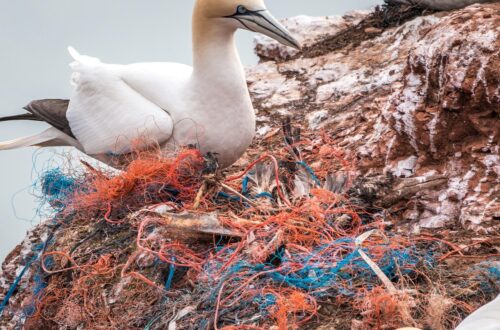
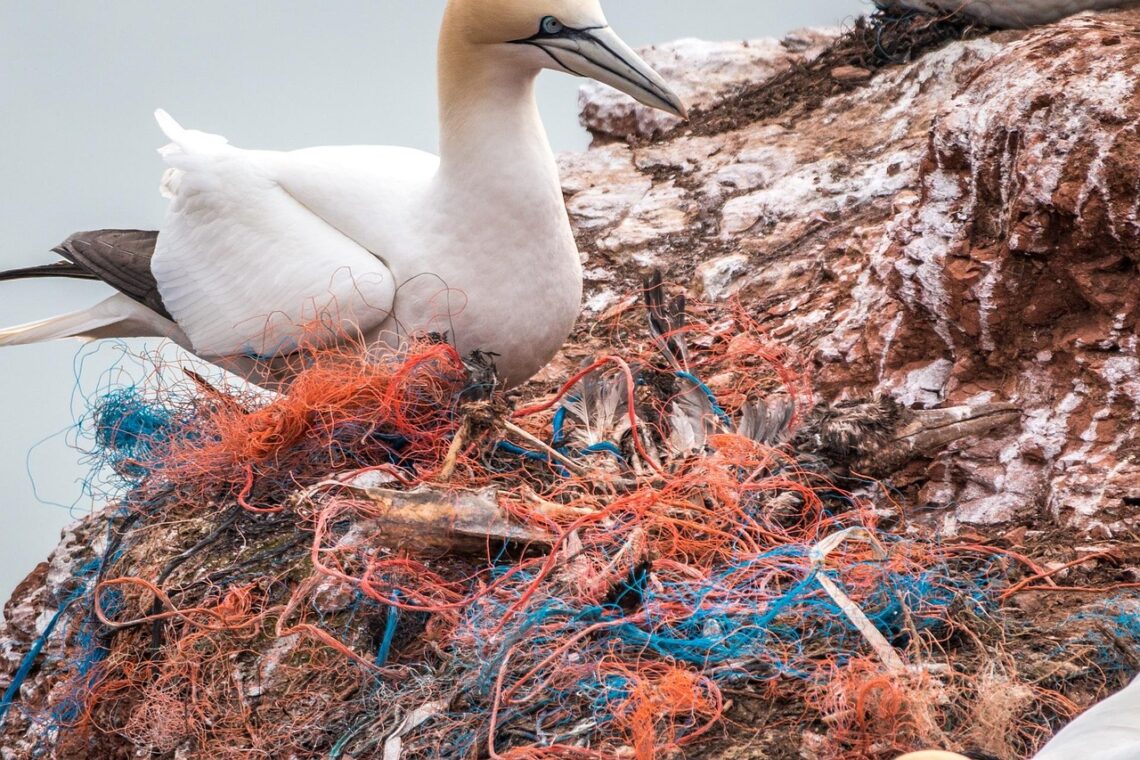
Introduction Did you know that every piece of plastic ever made still exists somewhere on Earth? Unlike food or paper—it just breaks down into tinier and tinier pieces (microplastics). That means every plastic bag, bottle, plastic cup, or straw ever created is still out there, whether it’s in a landfill, the ocean, or even tiny pieces floating in the air. Now we’ve learned that microplastics are harming birds–and us! In just the first ten years of the 2000s, people made more plastic than in all of history before the year 2000. Now, scientists estimate that there are between 15 and 51 trillion pieces of plastic floating in the ocean—that’s more…
-
Food Waste: The Big Problem Hiding in Your Trash!
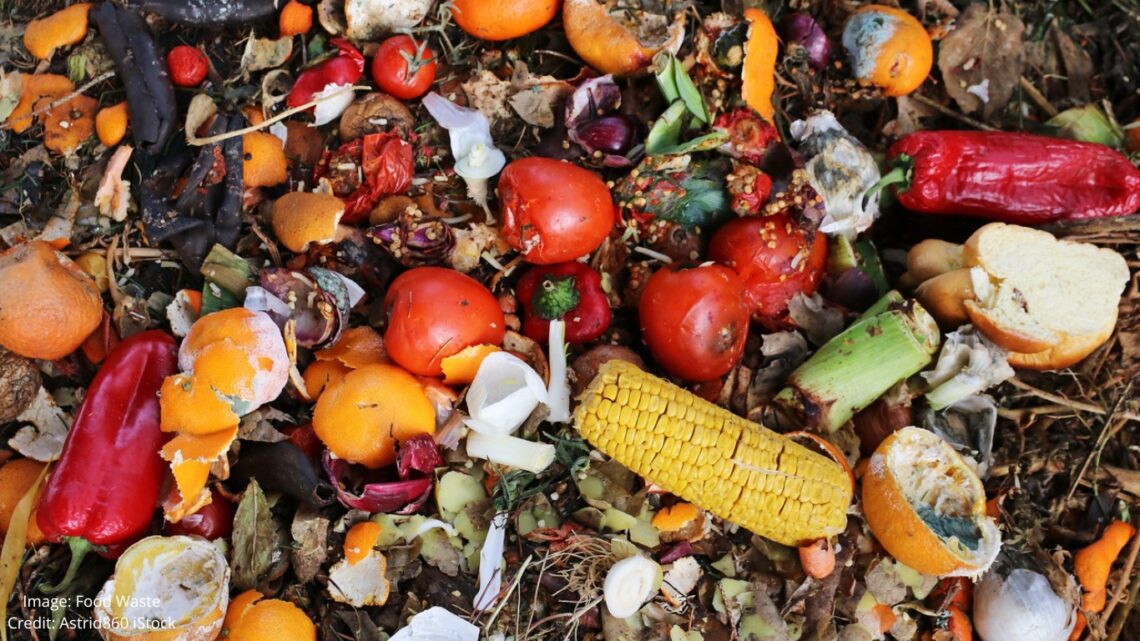
Have you ever thrown away food at home—maybe an apple with a bruise or leftovers you didn’t feel like eating? If so, you’re not alone! I’ve done it, too! People all over the world waste tons of food every single day. But did you know that food waste is a big problem for our planet? Let’s dive into what food waste is, why it matters, and how we can help fix it! What is Food Waste? Food waste occurs when people throw away perfectly good food instead of eating it. This waste happens at home, in restaurants, at grocery stores, and even on farms. Some common reasons food gets wasted…
-
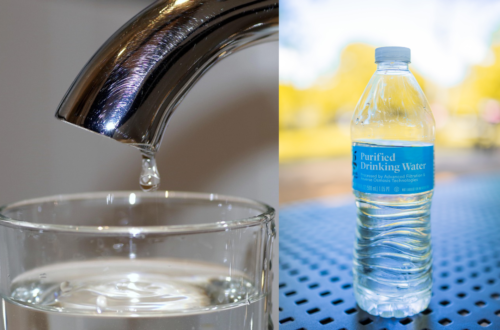
Bottled Water or Tap Water: Which One Would You Choose?
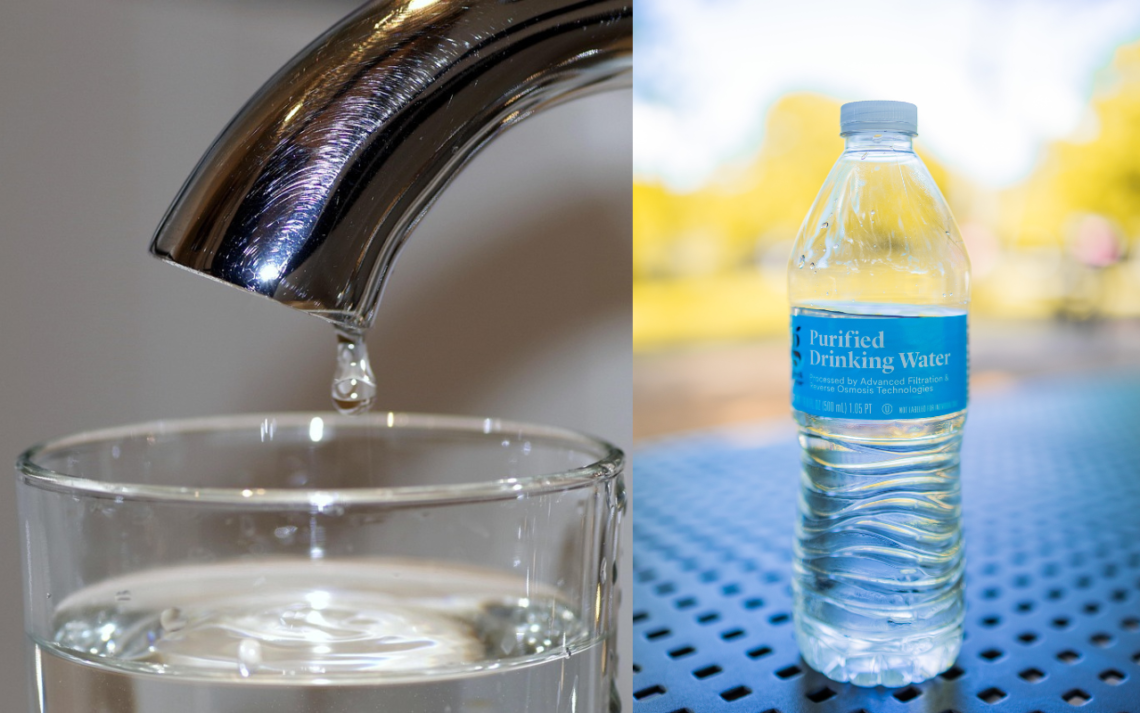
Every living thing needs water to survive! Water is super important for staying healthy, but should you drink bottled water or tap water? The answer depends on things like cost, health, convenience, and the environment. Let’s break it down! Which One Costs More? If you want to save money, the choice between bottled water or tap water is clear. Tap water is the better choice. In the U.S., tap water costs less than a penny per gallon, while bottled water can be hundreds or even thousands of times more expensive. If you buy bottled water often, the cost adds up fast! Instead, using a reusable water bottle and a home…
-
From Sewer Sludge to Forever Chemicals: A Sticky Health Mystery
Sewer sludge, a leftover material from cleaning wastewater, might expose farmers and people living nearby to toxic chemicals known as “forever chemicals,” according to a report by the U.S. Environmental Protection Agency (EPA). Where is Sewer Sludge Used? Farmers sometimes fertilize their fields with sewer sludge. This sludge can hold high levels of harmful chemicals called per- and polyfluoroalkyl substances (PFAS). By using this sludge year after year, farmers risk being exposed to unsafe amounts of PFAS. The EPA also warns that PFAS can end up in food products like milk or eggs. The EPA says farmers use biosolids on less than 1% of U.S. farmland, but the National Biosolids…
-
Plastic Pollution is Ick!
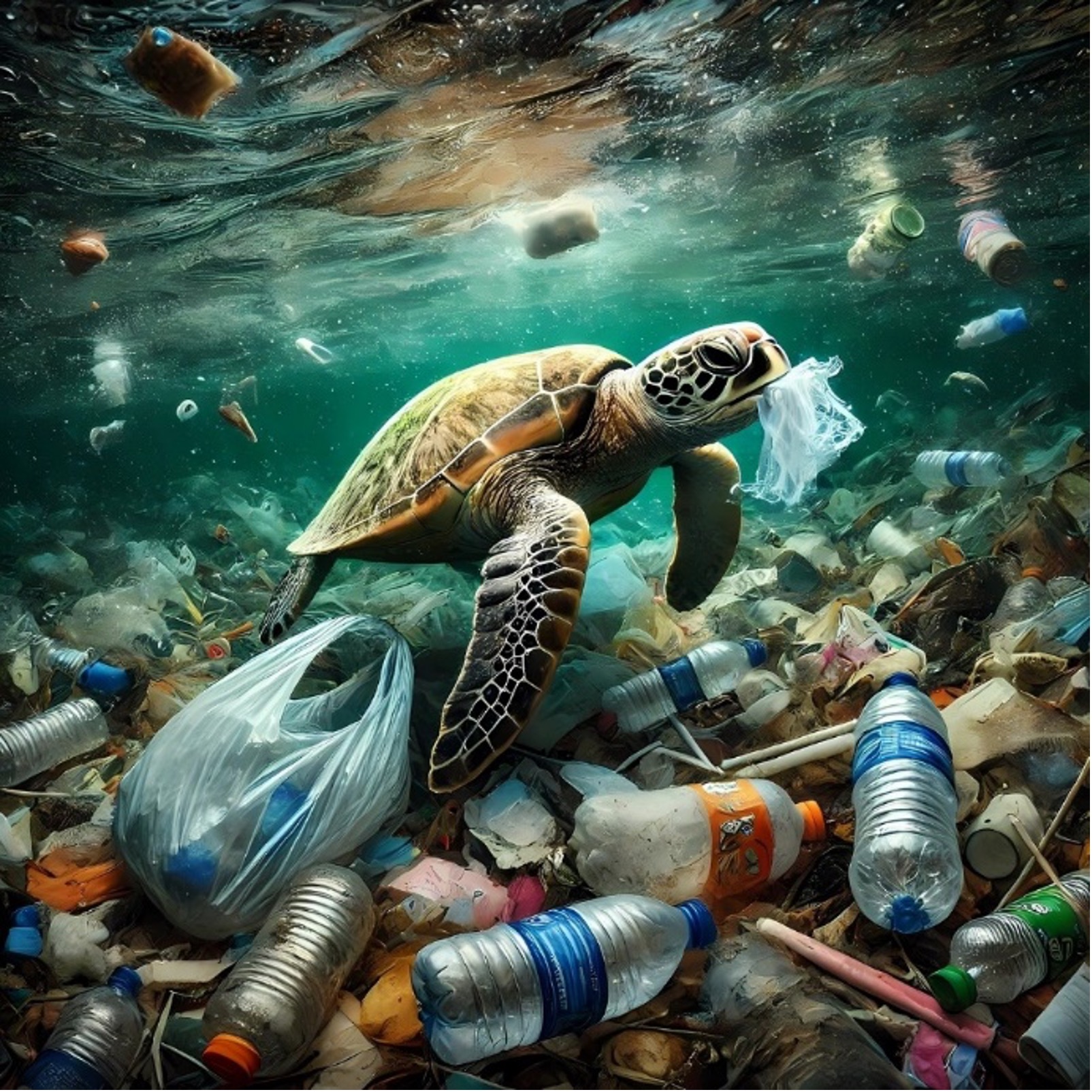
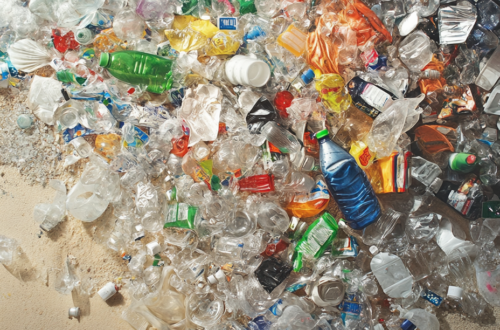
Plastic pollution is a big problem for our planet. From tiny plastic bits to large, large pieces floating in the ocean, plastic waste is everywhere—and it’s causing a lot of harm to our health, wildlife, and ecosystems. The vast majority of plastic is made from fossil fuels—crude oil, coal, and natural gas. What is Plastic Pollution? Plastic pollution happens when people don’t throw away plastic items like bottles, bags, wrappers, and straws properly, and these items end up in the environment. Unlike organic materials, plastic doesn’t break down naturally. Instead, it breaks into smaller pieces, called microplastics, which remain in the environment for hundreds or even thousands of years. How…