-
Environmental Justice: Why Your Zip Code Can Determine Your Health
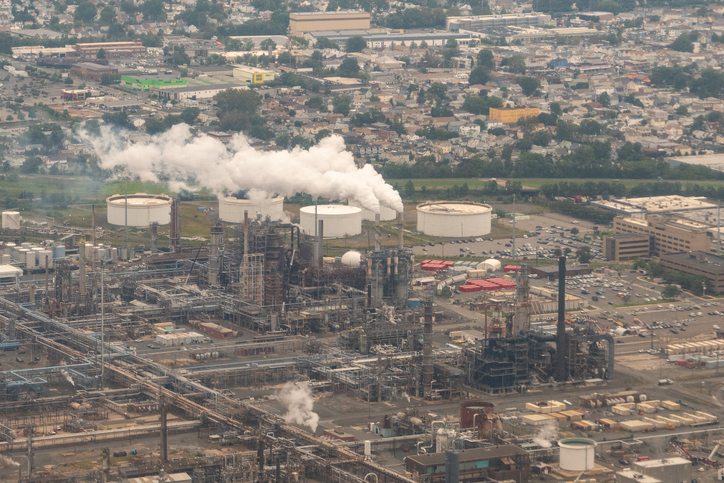
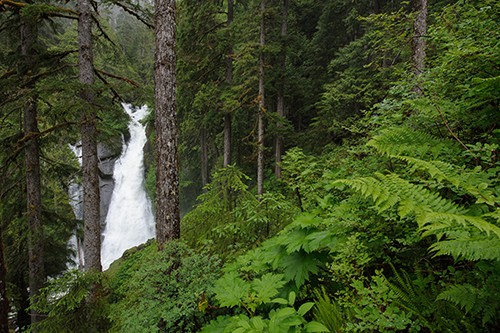
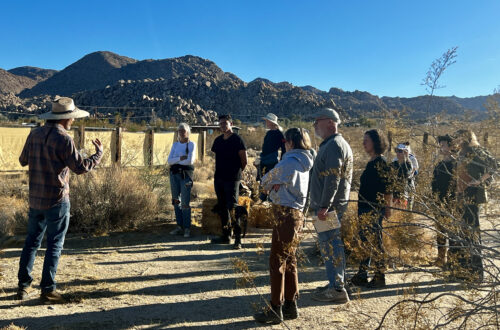
Take a deep breath. Now picture filling a glass of water at your kitchen sink. Most of us don’t think twice about either one. But here’s something you may not know: in the United States, how clean your air and water are depends a lot on where you live — and on who your neighbors are. I just returned from Humboldt County, where I witnessed this first hand. I was absolutely horrified. That’s not an accident. And the fight to fix it has a name: environmental justice. What Does “Environmental Justice” Actually Mean? It’s a simple idea. Everyone deserves clean air, clean water, and a safe place to live —…
-
Can Hungary’s Famous Paprika Survive a Hotter Climate?
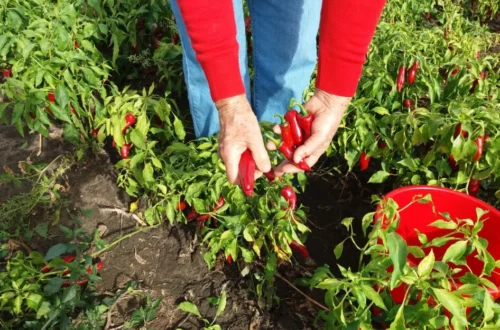
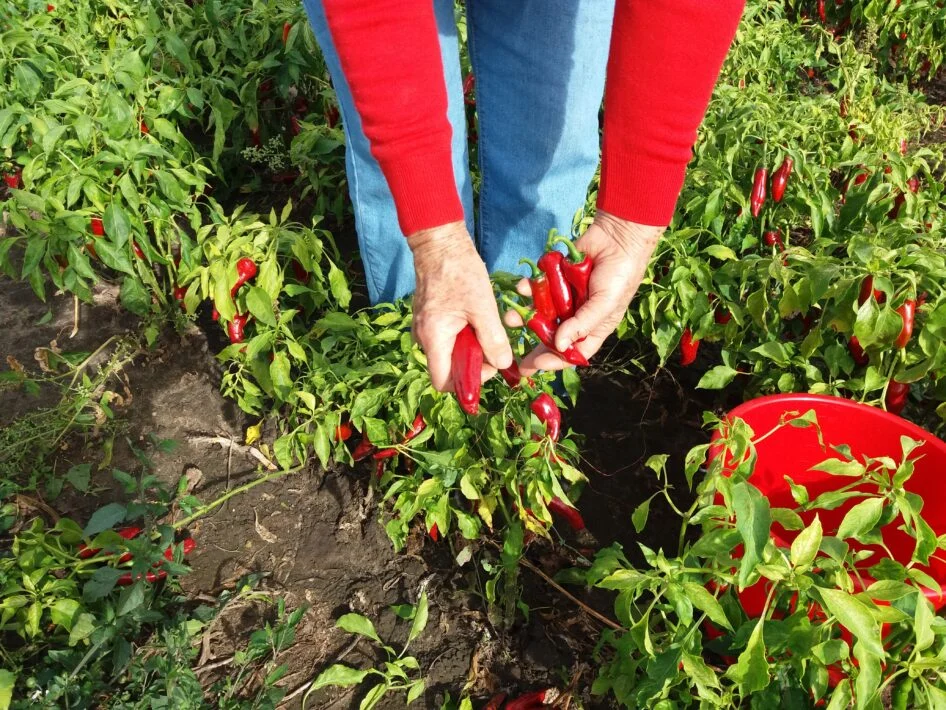
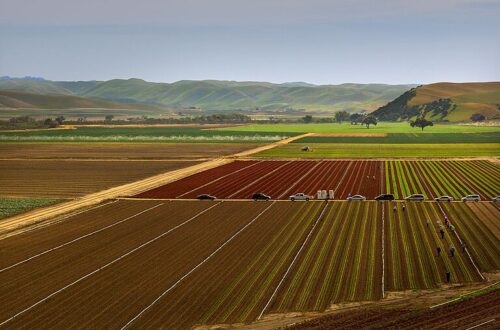
Paprika may be sitting quietly in your spice cabinet, but in Hungary, it’s a big deal. The bright red spice is an essential part of Hungarian cooking and culture. It gives dishes such as goulash their famous color and flavor, and strings of red peppers drying outside homes were once a familiar sight in Hungary’s countryside. But today, the farmers who grow those peppers are struggling. Extreme heat, drought, pests, rising costs, worker shortages, and cheaper imports are making Hungary’s famous paprika increasingly difficult to produce. And climate change is adding even more pressure. A Brutal Summer for Paprika Farmers Imagine working in a field from before sunrise until nearly…
-
Butterflies Are on the Move — and That’s a Warning Sign
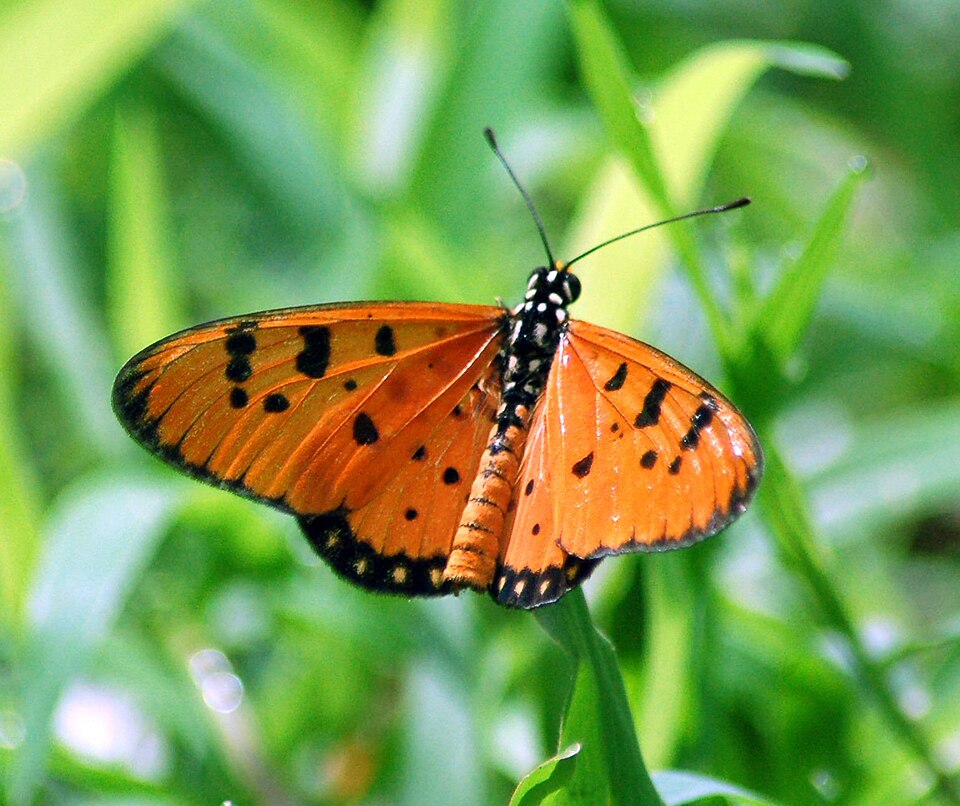
Butterflies are turning up in places they’ve never lived before. And they’re vanishing from places they’ve called home for generations. Climate change seems to be a big reason why. In the largest study of its kind, an international team led by Shawan Chowdhury at Monash University in Australia combed through more than 6,000 records of butterfly movements, covering 1,758 species in 105 countries. Their results, published in August in Nature Ecology & Evolution, are striking: about 1 in 10 butterfly species worldwide has already changed where it lives, and climate change or extreme weather was connected to nearly 80% of those moves. But here’s the kicker: that 1-in-10 number is…
-
The Race to Save Critically Endangered Rhinos
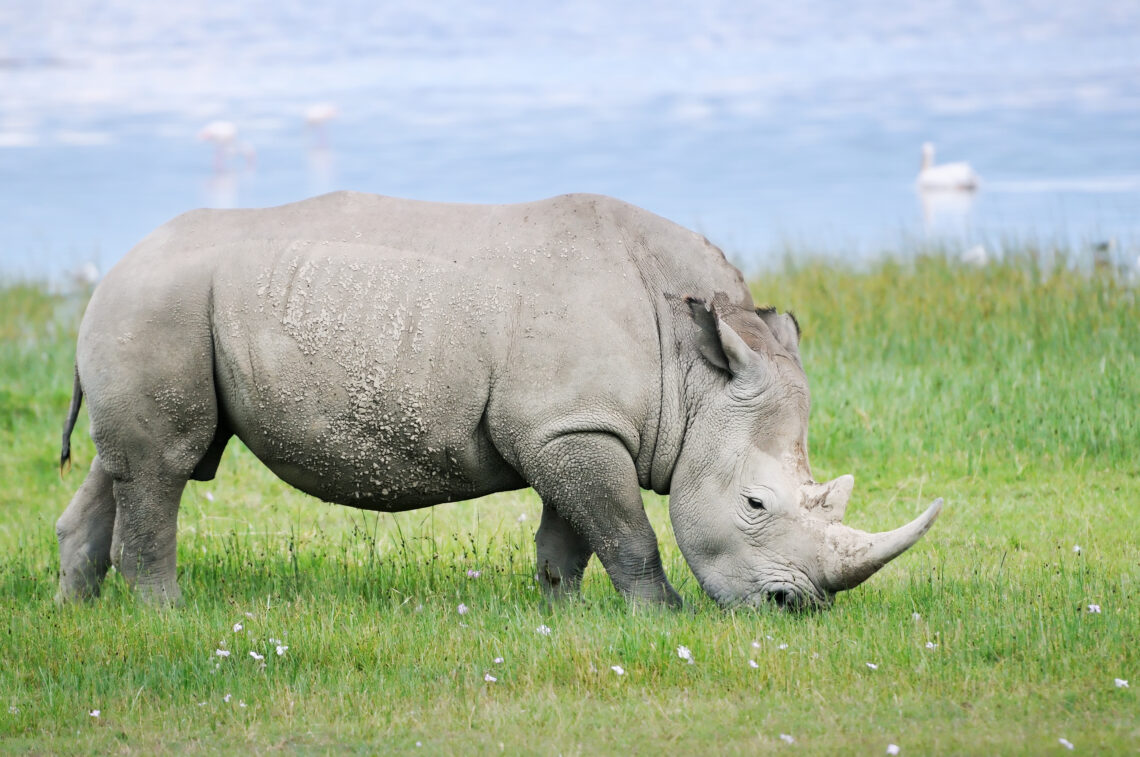
Did you know that more than 49,500 endangered species and nearly 4,000 critically endangered species? Rhinos are amazing animals, but many types of rhinos are in danger of disappearing forever. They are critically endangered because of problems like poaching (illegal hunting), losing their homes, and other threats caused by humans. Let’s learn about the different kinds of rhinos and why they need our help. 1. Javan Rhinos: The Rarest Rhino Javan rhinos are the rarest rhinos on Earth, with only about 50 left in the wild. They once lived across much of Southeast Asia, India, and China. Today, they survive in just one national park on the island of Java…
-
Toxic PFAS May Be in Your Tap Water
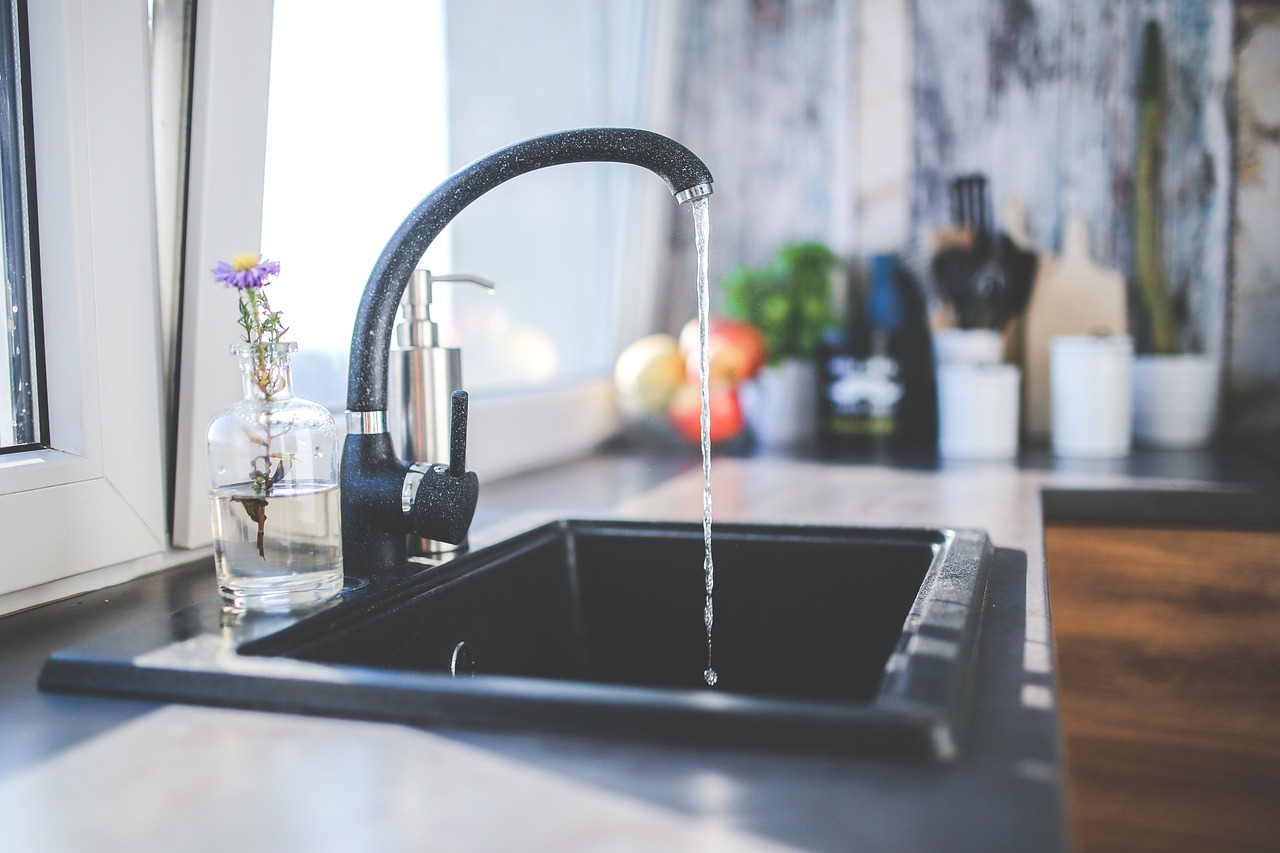
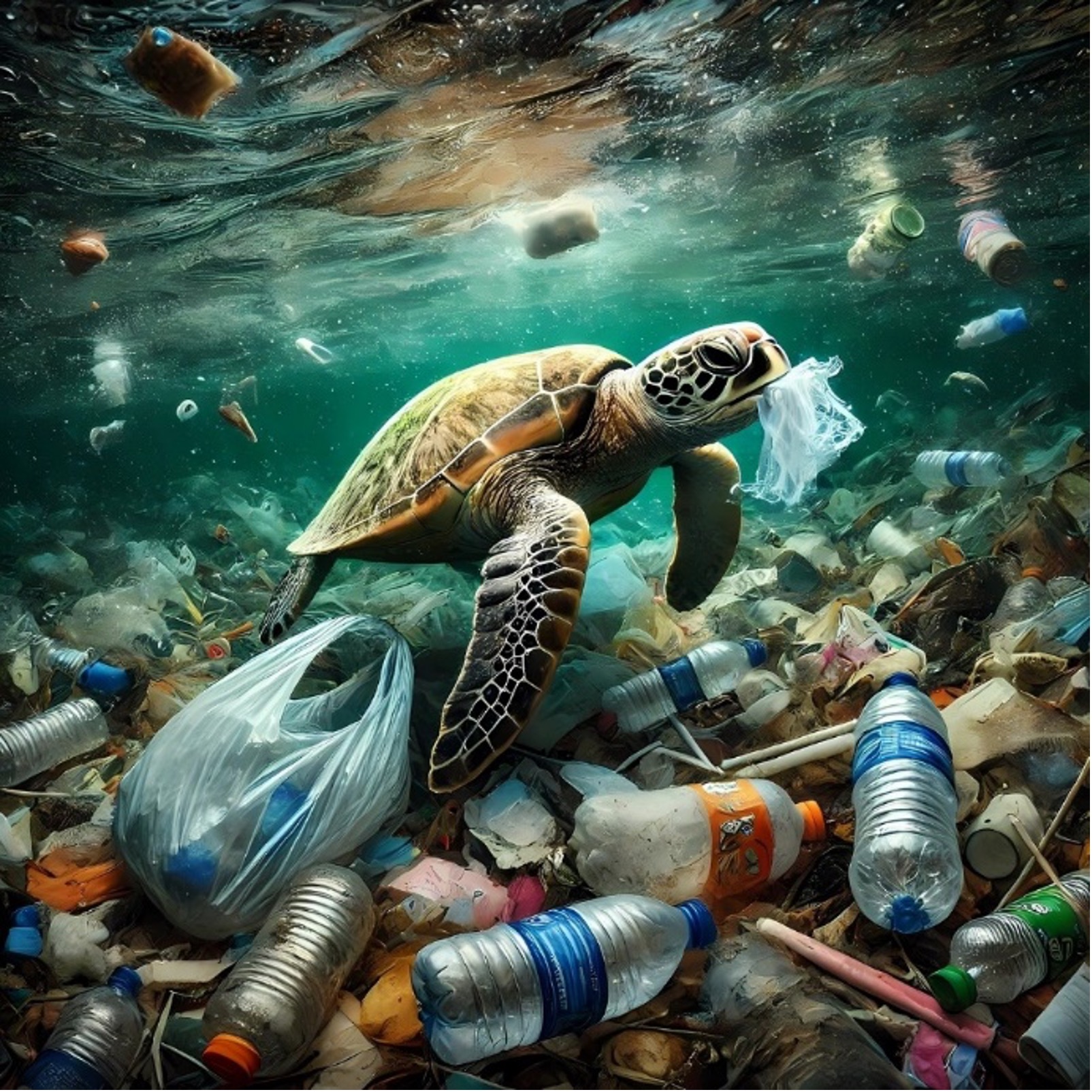
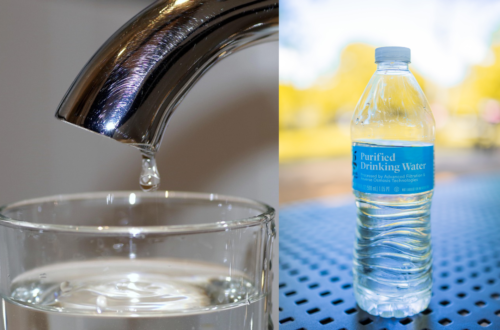
Nearly half of the nation’s tap water is thought to contain one or more kinds of chemicals called PFAS, which stands for per- and polyfluorinated alkyl substances. This finding comes from a recent study by the U.S. Geological Survey (USGS). Believe it or not, there are over 12,000 different types of toxic PFAS, but we can’t detect all of them with the tests we have now. In this study, the USGS looked for 32 specific types of PFAS. What exactly are PFAS? Toxic PFAS chemicals are used in a lot of everyday products, like nonstick cookware, food packaging, stain-resistant fabrics, firefighting foams, and even cosmetics. There are over 14,000 of…
-
What Happens When Earthquakes Hit a Thawing Arctic?
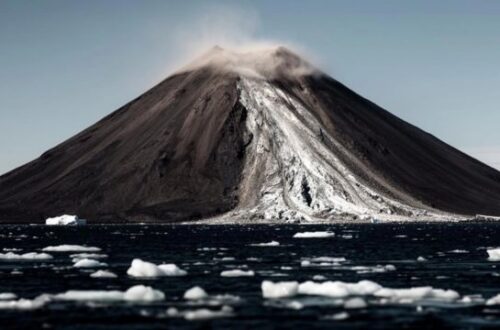
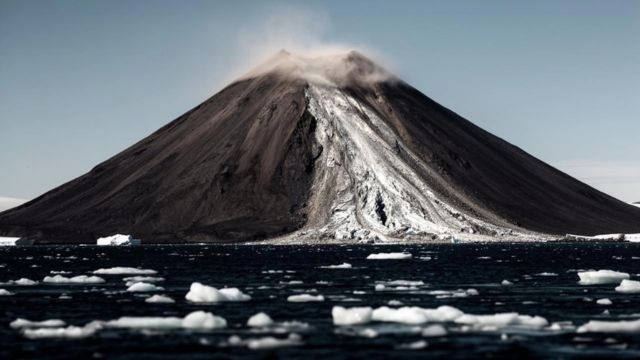
What a rockslide on a tiny Arctic island can teach us about a warming world Way up in the Arctic, about halfway between Iceland and Norway’s Svalbard islands, there’s a skinny little island called Jan Mayen. It’s about 30 miles long. It has one volcano — a big one, Beerenberg — a handful of glaciers sliding down its sides, and no permanent residents except a rotating crew of about eighteen people who run a weather station. It is, in other words, one of the loneliest places on Earth. Which makes what happened there on March 10, 2025, easy to miss. That day, a magnitude 6.5 earthquake rattled the island. And…
-
Roadless Rule: Forests On The Chopping Block
On August 18, 2026, the Trump administration made a big announcement. It wants to get rid of a rule called the Roadless Rule. This rule has protected about 45 million acres of national forest for 25 years — that’s almost a third of all the national forest land in the country. If the rule goes away, companies could build roads and cut down trees in forests that have stayed wild for decades. This might sound like a small change in government policy. It’s actually one of the biggest decisions about nature and public land in U.S. history. What Is the Roadless Rule? Back in 2001, the U.S. government made a…
-
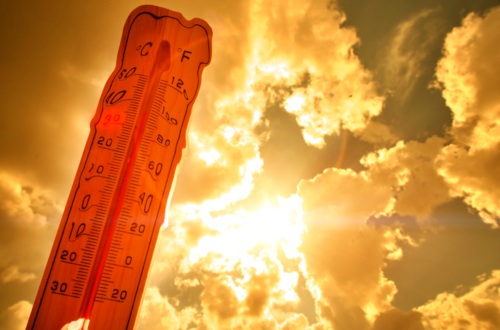
The Hidden Threat to Our Power Supply: Extreme Heat
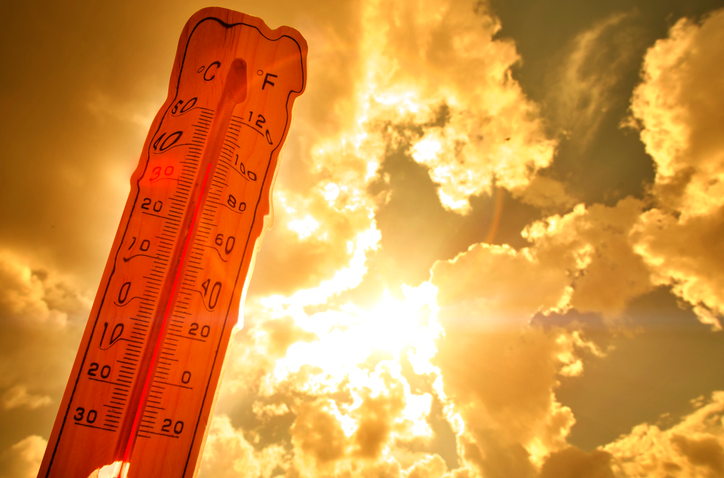
When you think about a heat wave, you probably picture sweltering afternoons, packed beaches, and air conditioners working overtime. But here’s something you might not think about: extreme heat can threaten our power supply, too. That’s exactly what happened in France this summer. As temperatures soared, the country temporarily shut down three nuclear reactors and reduced power at several others. Was something wrong with the reactors? Nope. The problem was the water used to keep them cool. What Do Rivers Have to Do With Nuclear Power? Quite a lot, actually. Nuclear power plants produce heat, which is used to make steam. That steam spins a turbine, which generates electricity. But…
-
Wildfire Smoke: How to Stay Safe Indoors
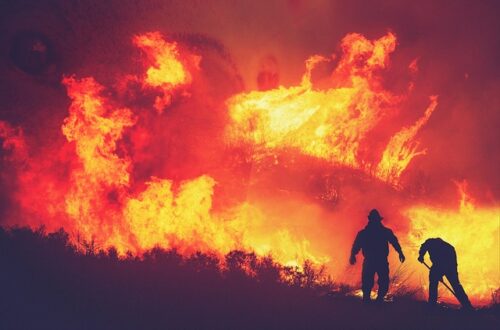
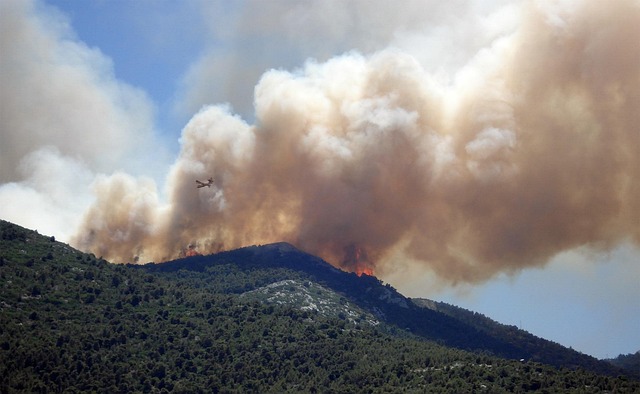
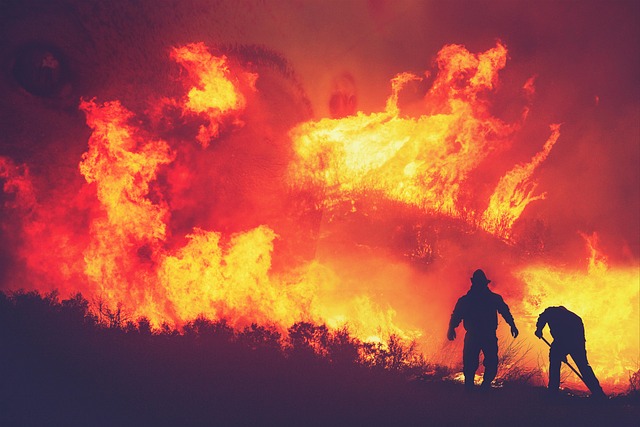
If it seems like wildfire smoke is everywhere this summer, you’re not imagining it. Wildfires are burning across parts of the United States, Canada, and Western Europe, and the smoke isn’t staying anywhere near the flames. Winds can carry it hundreds—or even thousands—of miles away. That means even if you live far from an active wildfire, you could still wake up to hazy skies and unhealthy air. Most of us know to stay indoors when the air gets smoky. But here’s something many people don’t realize: wildfire smoke can get inside your home, too. The good news? There are several easy things you can do to keep your indoor air…
-
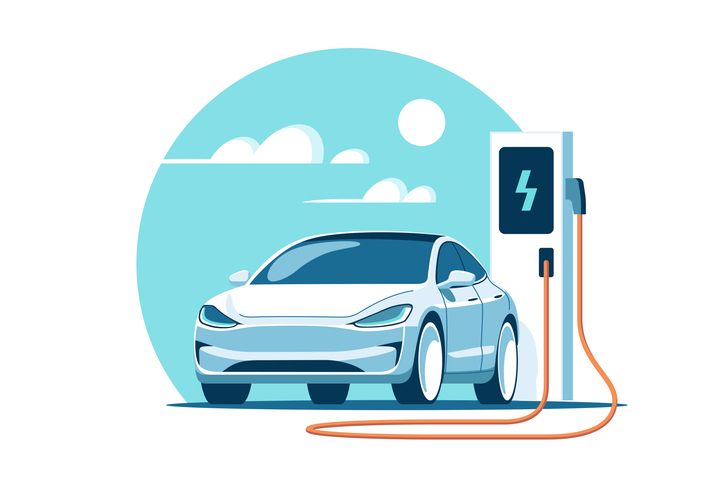
The Truth About Lithium Mining: How EV Batteries Compare to Fossil Fuels
One of the biggest criticisms of electric vehicles (EVs) is that they use lithium. You’ve probably seen comments online asking, “Have you looked into lithium mining?” The answer is yes. Lithium mining has environmental impacts. Every type of mining does. But many of the claims shared online leave out some important facts. They also ignore a simple reality: Most of us use lithium every single day. You’re Probably Using Lithium Right Now If you’re reading this on a smartphone, tablet, or laptop, you’re using lithium. It’s also found in: Yet somehow, lithium only becomes a problem when it’s inside an electric vehicle. Where Does Lithium Actually Come From? One common…
-
The Rapidly Evolving World of Grid Battery Storage
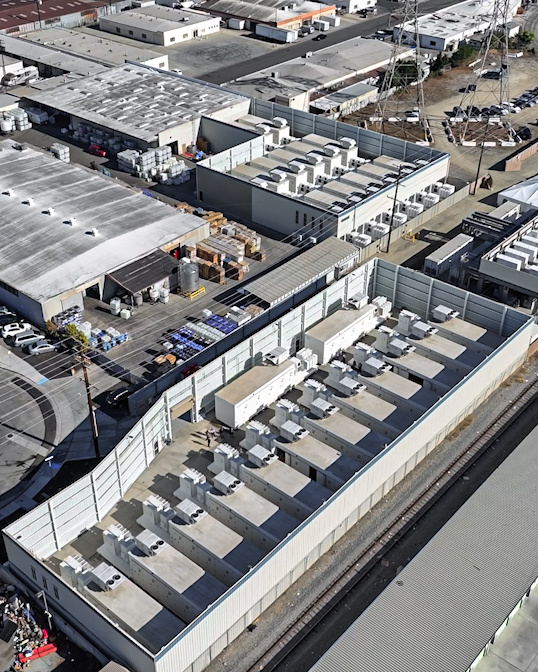
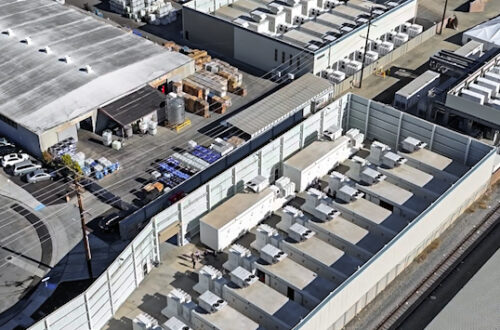
For most of the 2010s, “grid-scale battery storage” meant one thing: rows of lithium-ion racks, stacked in shipping-container-sized enclosures, doing their job quietly behind chain-link fences. Then came Moss Landing — and the industry’s relationship with that assumption changed for good. What’s followed since has been one of the more interesting sprints in energy technology: a scramble to build storage that’s not just bigger, but safer, cheaper, and better suited to keeping a renewable-heavy grid running for hours or even days at a time. Moss Landing: The Wake-Up Call California’s Moss Landing battery storage facility was once the world’s largest and a symbol of the clean energy transition. But on…
-
A Powerful El Niño Is Brewing—and Scientists Are Watching Closely
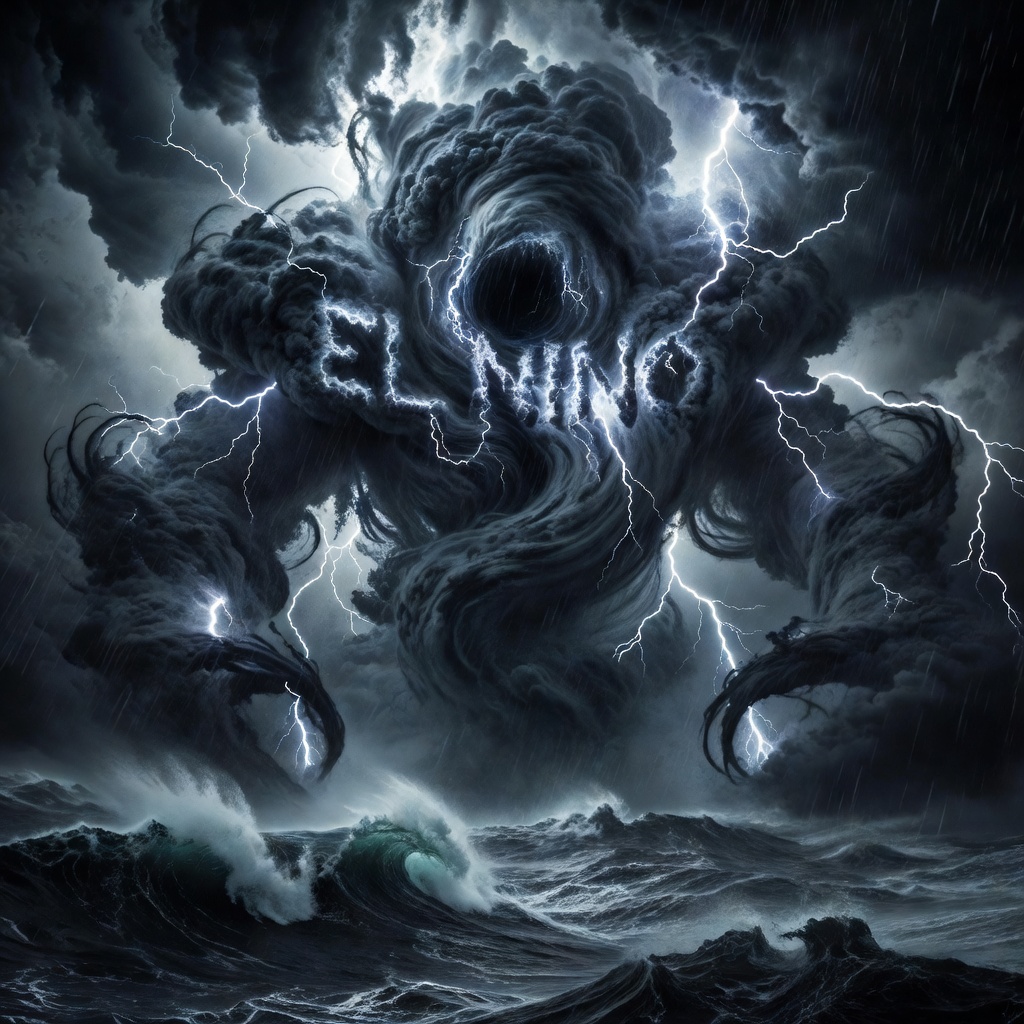
El Niño is a natural event where the surface water in the middle of the Pacific Ocean, near the equator, gets warmer than usual. This happens every few years, and it changes weather patterns all over the world — causing things like extra rain in some places, droughts in others, and shifts in temperature. A Record-Breaking El Niño on the Rise Scientists at NOAA say this year’s El Niño is growing fast and could become one of the strongest ever recorded since they started keeping track in 1950. There’s an 81% chance it will reach “very strong” status by fall. This El Niño only started last month, but it’s already…
-
Unmasking CO₂ Myths: The Science You Need to Know
Welcome to the third part of my Fact-Checking Series, where I dig into myths about carbon dioxide and clear up misunderstandings about climate. Carbon dioxide, or CO₂, is an invisible gas that is all around us in the air. It’s made up of one carbon atom and two oxygen atoms. People and animals breathe it out when we exhale, and plants take it in to help them grow through a process called photosynthesis. CO₂ is also a strong greenhouse gas, which means it traps heat in the Earth’s atmosphere. Without CO₂, our planet would be too cold for us to live. While this is natural and important for life, too…
-
Oohs, Ahhs, and Toxic Aftermath of Fireworks
Fireworks look amazing lighting up the night sky, but scientists have discovered they leave behind pollution that can linger long after the show is over. Three new studies looked at what really happens after the fireworks fade. Leftover Firework “Trash” Pollutes Water After fireworks explode, burned pieces and leftover chemicals fall back to the ground. Rain can wash this debris into nearby rivers and lakes, where it releases metals and other chemicals into the water. It can also change how other pollutants behave. Scientists worry this could disrupt the tiny microbes and other organisms that help keep these ecosystems healthy, especially in places where fireworks are used year after year.…
-
Desalination: Why Turning Ocean Water Into Drinking Water Isn’t as Easy as It Sounds
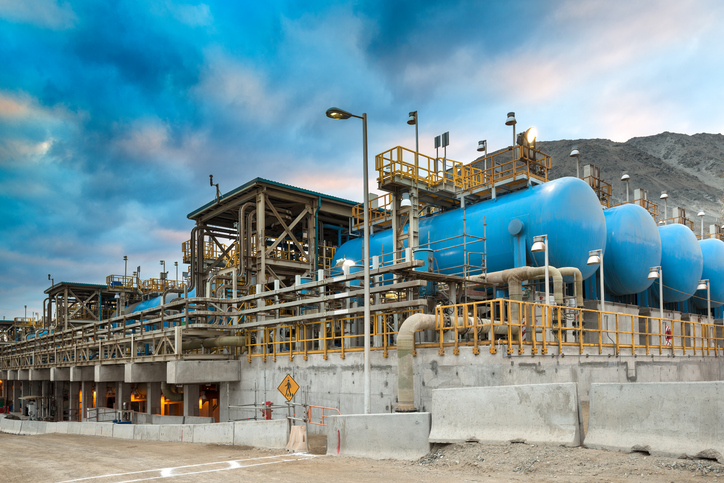
More and more cities are running out of water. In coastal areas, people often say, “There’s a whole ocean right there — why not just take the salt out and drink it?” It sounds like a simple fix. But desalination plants (the places that do this) actually cause some real problems. In addition, they don’t produce nearly as much clean water as you’d think. Let’s break down why. The Leftover Salt Has to Go Somewhere Here’s how desalination basically works: a plant sucks in ocean water and pushes it through filters to remove the salt. But here’s the catch — for every 2 cups of ocean water that go in,…
-
California Wildfire Severity Is Skyrocketing — And Scientists Know Why
Have you ever driven through a forest and seen a huge field of burned tree trunks, standing like ghosts? That’s what one wildfire researcher calls “tree gravestones” — and in California, they’re becoming a lot more common. A new study from UCLA looked at forest fires across the state going all the way back to 1985, and the results show just how much California wildfire severity has changed. What they found is pretty alarming: today’s forest fires burn about 10 times more land every year than fires did back in the 1980s. But here’s the part that really stands out — the most destructive type of fire, called high-severity fire,…
-
China Is the World’s Renewable Energy Champion
China keeps breaking records when it comes to renewable power. China’s renewable energy boom continued in the first two months of 2026, when the country added about 45 gigawatts of new green energy. That’s enough electricity to supply millions of households. Out of all the new power plants built in those two months, more than two out of every three came from solar panels and wind turbines. By the end of February, China’s total renewable energy capacity had grown to about 2,380 gigawatts. That means renewables now make up about 60% of all the power-generating capacity in the entire country–solar farms, wind turbines, hydroelectric dams, and more. China isn’t just…
-
The Dirty Truth About Your Produce—and How to Clean It
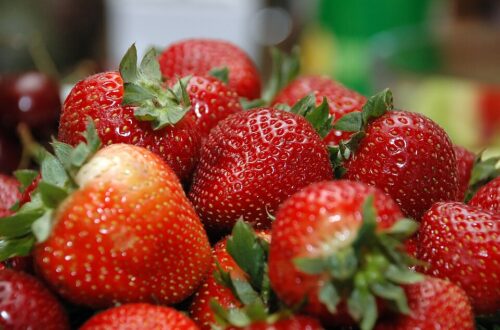
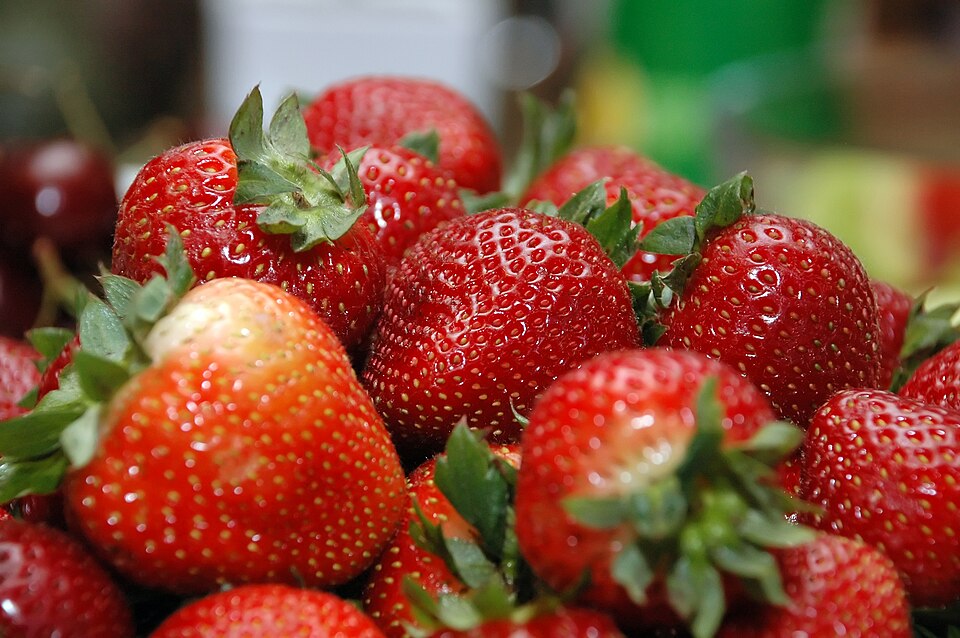
Strawberries may be sweet and juicy, but they made third place in this year’s “Dirty Dozen” list from the Environmental Working Group (EWG). The Dirty Dozen is an annual report that looks at which fruits and vegetables have the highest levels of pesticide residue based on testing by the U.S. Department of Agriculture. Other foods on the list include spinach, kale, blueberries, grapes, peaches, cherries, apples, pears, and potatoes. The good news is that simply rinsing fruits and vegetables under running water can remove many pesticide residues. Some scientists say you can make washing even more effective by soaking produce in water mixed with a little baking soda or vinegar.…
-
The AMOC Slowdown: A Warning Sign From the Atlantic
What Is the AMOC? Picture a giant conveyor belt — like the ones at a grocery store checkout — but instead of groceries, it’s moving billions of gallons of ocean water all around the planet. That’s basically what the Atlantic Meridional Overturning Circulation, or AMOC (say it like “AY-mock”), does. Here’s how it works: Warm, salty water near the tropics flows north along the surface of the Atlantic Ocean, carrying heat with it toward Europe. When this warm water reaches the cold waters near Greenland, it cools down and gets heavier. Heavy water sinks to the ocean floor, then flows back south as a deep, cold current. Eventually, that cold…
-
Virtual Power Plants: The Power Plant You Can’t See
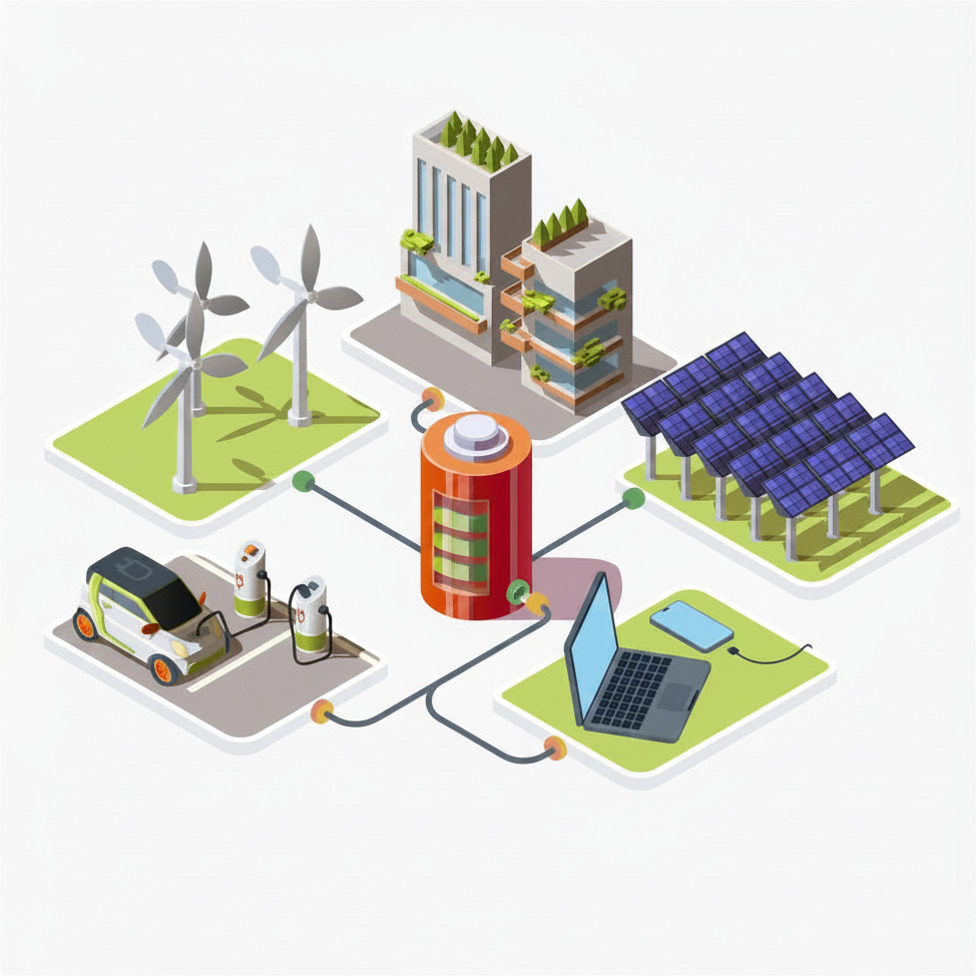
Imagine if thousands of homes, businesses, and electric cars could work together like one giant power plant—without building a single smokestack or power station. That may sound like science fiction, but it’s already happening. It’s called a Virtual Power Plant, or VPP. What Is a Virtual Power Plant? A virtual power plant isn’t a real building. Instead, it’s a network of connected energy devices that work together through computers and the internet. These devices can include: On their own, each device doesn’t make much of a difference. But when thousands of them work together, they can act like a large power plant. How Does It Work? Think of a virtual…
-
How California’s Ocean Heat Wave Is Wiping Out Seabirds
My good friend, George is a surfer. Recently, he walked up the beach carrying his surfboard and counted seven dead birds in a distance of just 100 feet or so. So, what’s going on? A major ocean heat wave is hitting the California coast and harming wildlife — especially seabirds like pelicans, cormorants, murres, and gulls. In some places, ocean temperatures have jumped as much as 7 degrees above normal, breaking records along the coast. Scientists at the Scripps Institution of Oceanography recorded 38 days since January 1st where the water temperature off their La Jolla pier broke records dating back to 1916. Why Are Birds Starving? Warm water disrupts…
-
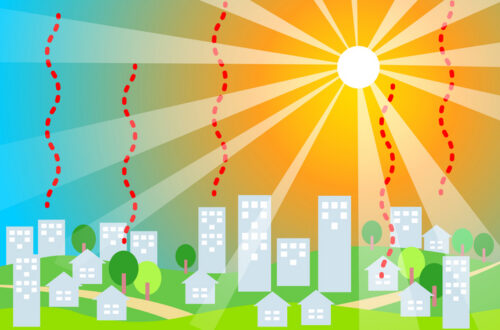
Is Global Warming Just an Urban Heat Island Effect? Scientists Say No
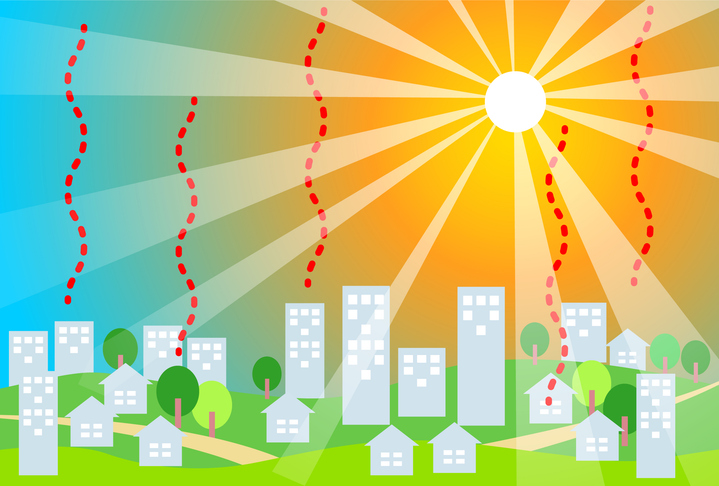
Have you ever noticed it’s hotter in a city than in the countryside? That’s not your imagination — it’s a real thing called the urban heat island effect. But some people claim this means global warming isn’t real, that we’re just measuring hot pavement instead of an actual warming planet. It may sound convincing at first, but the evidence doesn’t support it. First, What is the Urban Heat Island Effect? Cities are full of concrete, asphalt, and buildings that soak up heat during the day and release it slowly at night. There aren’t many trees to provide shade or moisture. So, cities end up several degrees warmer than the forests…
-
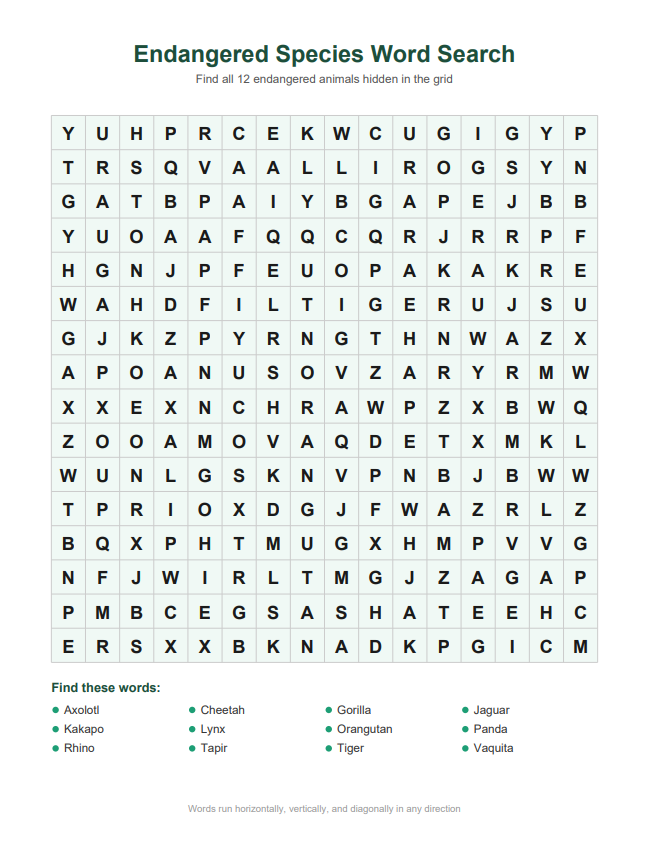
On the Brink: Endangered Species Puzzle Hunt
-
Renewable Energy is Powering a Brighter Future
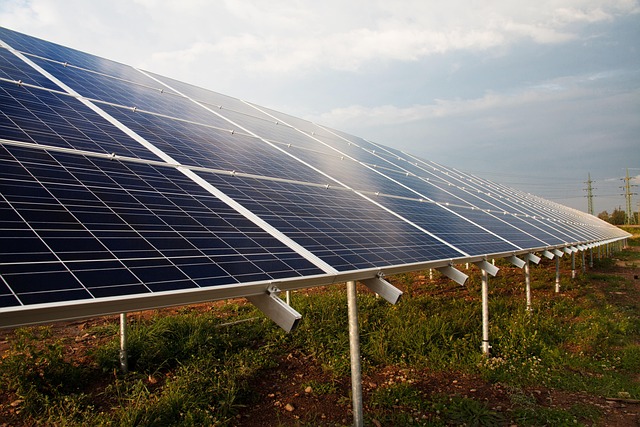
I know it’s hard to ignore the bad news right now. We’re seeing stronger heat waves, bigger wildfires, and oceans under stress. And on top of that, some political decisions feel like they’re pushing us backward instead of forward. But here’s something amazing: in 2025, something shifted—and you’re here to see it. The part that doesn’t always make the headlines? Renewable energy is moving ahead anyway—and it’s picking up speed. For the first time in history, the world added so much renewable energy that fossil fuels actually lost ground. Not just slowed down. Lost ground. Solar panels and wind turbines grew so fast that they supplied 99% of all the…
-
What’s Killing Gray Whales? (Hint: It’s Not Wind Energy)
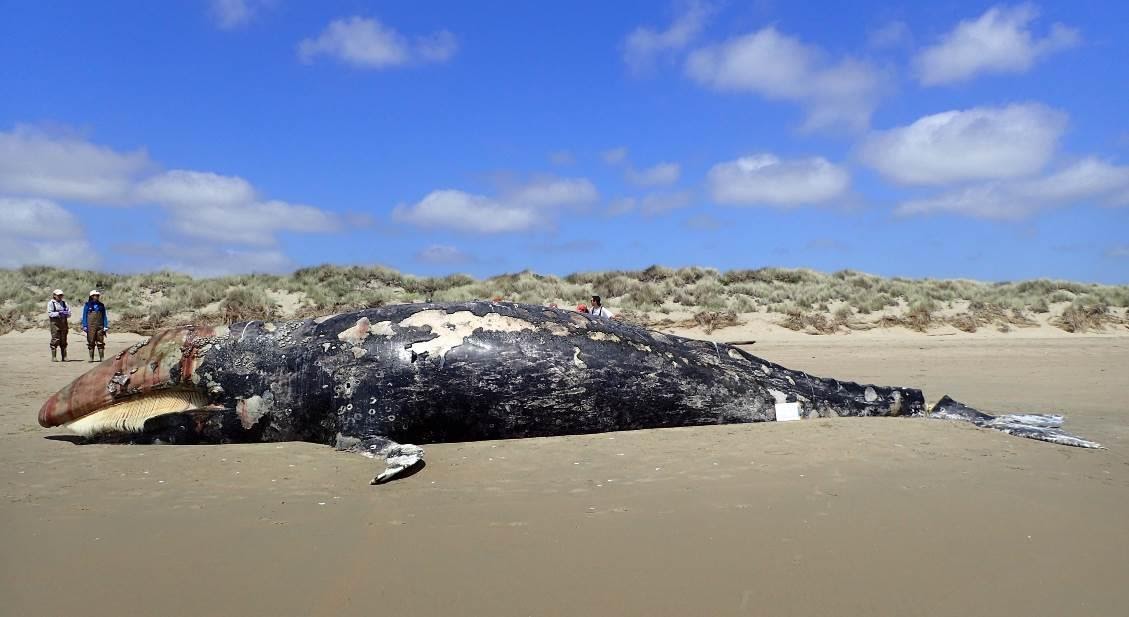
Scientists are sounding the alarm about a gray whale crisis up and down the Pacific Coast. The culprits are well documented — and offshore wind isn’t one of them. San Francisco Bay is famous for its Golden Gate Bridge, its ferries, and its busy ports. But lately, locals have been noticing something new in those waters: gray whales. Huge, barnacle-covered, and beautiful — they’ve been showing up in growing numbers since 2018. Their arrival has brought both wonder and worry. People line the shores to watch them feed and swim. Researchers race to understand why so many of them are starving. And too often, the whales end up dead. In…
-
Red Flag Warning: Why Wildfires Are Everyone’s Problem Now
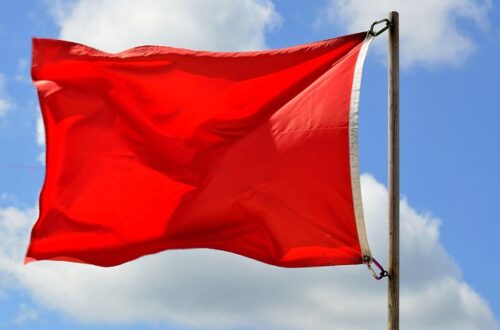
You’ve probably heard the phrase “red flag warning” lately. It might sound like complicated weather talk — but it’s actually a warning we all need to take seriously. A red flag warning means conditions are perfect for a wildfire to ignite quickly and spread even faster. All it takes is: One spark. That’s it. And suddenly, you have a wildfire. This isn’t just a hypothetical — it’s happening right now, across the country. In Georgia, fires are behaving in extreme ways: racing forward with the wind and hurling embers ahead of the flames, destroying homes and infrastructure in their path. As of April 25, 2026, a dangerous combination of severe…
-
Truth or Trickery? How to Tell Science from Propaganda
I spend way too much time on social media platforms. I often come across various forms of propaganda and disinformation, especially about climate change and renewable. Bots create some of these posts. Bad actors funded by billionaires and dirty energy produce others, and some come from people who genuinely can’t distinguish between science and propaganda. The Early Days of Propaganda in America Even though the word propaganda became popular in the United States around World War I, the idea behind it is much older. One of the first groups to use it were the ancient Greeks. They didn’t have printed ads or movies like we do today, but they still…
-
Earth’s Energy Imbalance: Why Our Planet Is Heating Up
Have you ever stepped outside on a sunny day (it’s 78 today where I live!) and felt the warmth of the Sun on your skin? That sunlight is energy—and it’s what keeps our planet livable. But here’s the problem: Earth is now taking in more energy than it sends back out to space. Scientists call this an energy imbalance, and it’s the main reason our planet is warming. Scientists have been tracking this imbalance since the late 1980s. But things really improved in 2000, when Terra satellite began collecting detailed data using NASA’s CERES instrument. That mission gave us the first long-term, high-accuracy global record of Earth’s energy imbalance. How…
-
Solar Breakthrough: More Energy from the Same Sunlight
Japanese and German scientists have made a big breakthrough in solar energy—and it could change how much power we get from the sun. Normally, solar panels follow a basic rule: one particle of light (called a photon) creates one unit of energy. Because of this, there’s been a “limit” on how efficient solar panels can be. In fact, they usually capture only a fraction of the sunlight that hits them. But now, researchers have found a way to go beyond that limit. They used a special process called singlet fission. This lets one particle of light split its energy into two usable energy packets instead of just one. To make…
-
Are Hair Products Safe? New Report Finds Cancer-Linked Ingredients
A new report raises serious concerns about cancer-linked ingredients in some hair products sold in stores like Sally Beauty. Researchers found that many of these products—especially those marketed to Black women and other women of color—may contain chemicals linked to cancer and other health problems. What Did the Researchers Find? Scientists tested hundreds of hair products made for curly, coily, and textured hair. These included things like hair relaxers, straightening creams, conditioners, and styling products. They discovered that many of these products contain toxic chemicals that can release formaldehyde, a substance known to cause cancer. Even when formaldehyde isn’t listed on the label, some ingredients can turn into it when…

Earth Advocacy for Future Generations