Renewable Energy
-
The Rapidly Evolving World of Grid Battery Storage
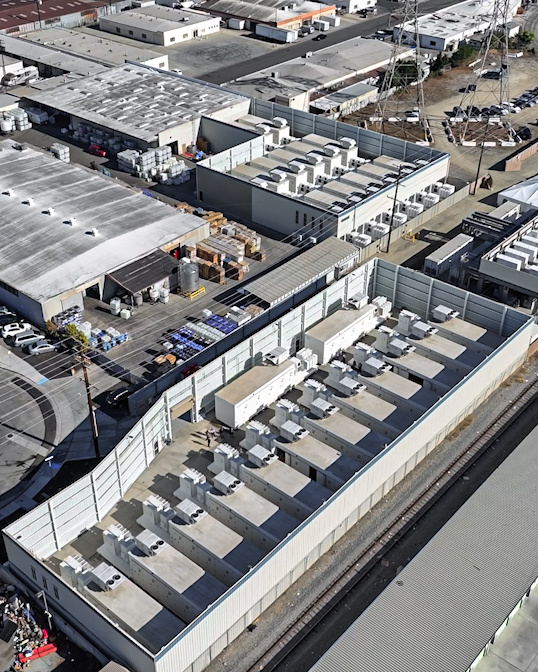
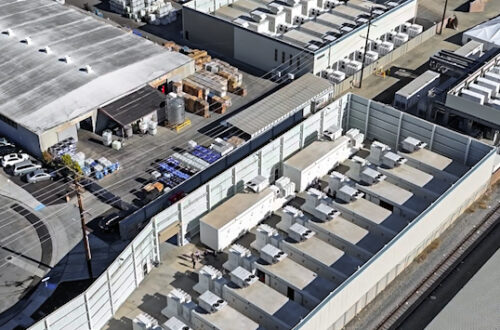
For most of the 2010s, “grid-scale battery storage” meant one thing: rows of lithium-ion racks, stacked in shipping-container-sized enclosures, doing their job quietly behind chain-link fences. Then came Moss Landing — and the industry’s relationship with that assumption changed for good. What’s followed since has been one of the more interesting sprints in energy technology: a scramble to build storage that’s not just bigger, but safer, cheaper, and better suited to keeping a renewable-heavy grid running for hours or even days at a time. Moss Landing: The Wake-Up Call California’s Moss Landing battery storage facility was once the world’s largest and a symbol of the clean energy transition. But on…
-
China Is the World’s Renewable Energy Champion
China keeps breaking records when it comes to renewable power. China’s renewable energy boom continued in the first two months of 2026, when the country added about 45 gigawatts of new green energy. That’s enough electricity to supply millions of households. Out of all the new power plants built in those two months, more than two out of every three came from solar panels and wind turbines. By the end of February, China’s total renewable energy capacity had grown to about 2,380 gigawatts. That means renewables now make up about 60% of all the power-generating capacity in the entire country–solar farms, wind turbines, hydroelectric dams, and more. China isn’t just…
-
Virtual Power Plants: The Power Plant You Can’t See
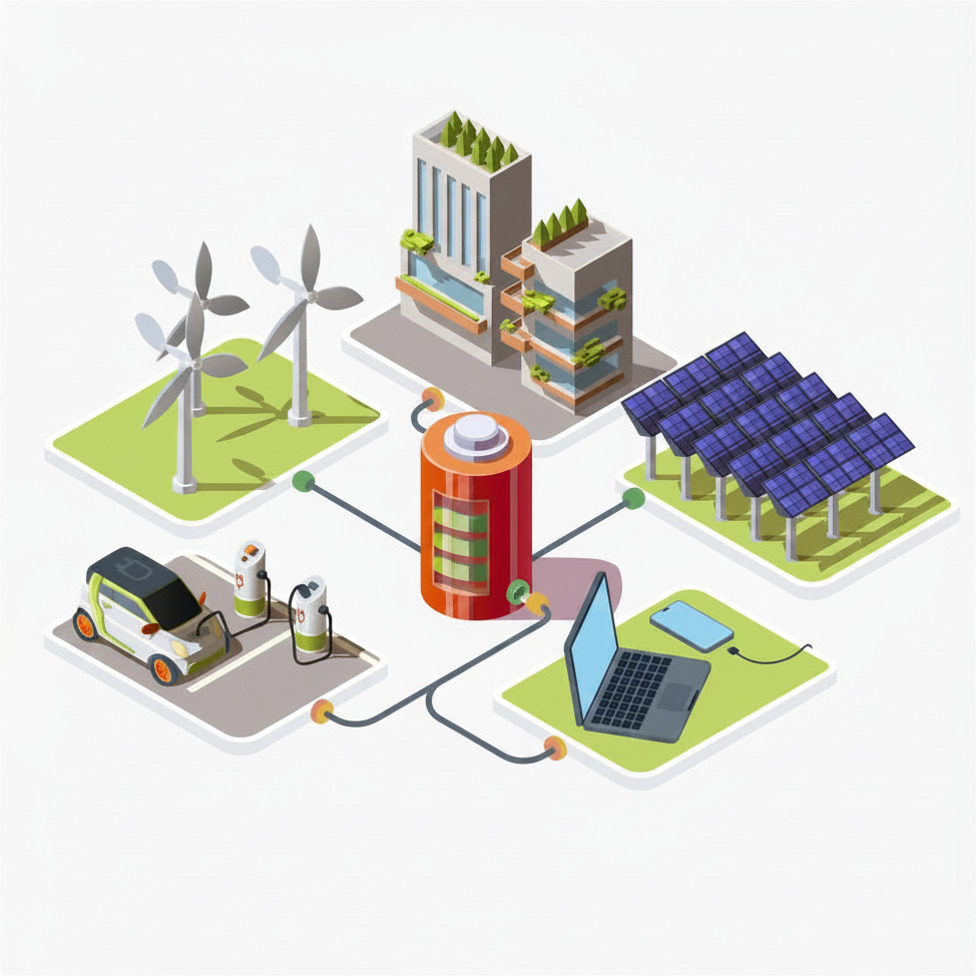
Imagine if thousands of homes, businesses, and electric cars could work together like one giant power plant—without building a single smokestack or power station. That may sound like science fiction, but it’s already happening. It’s called a Virtual Power Plant, or VPP. What Is a Virtual Power Plant? A virtual power plant isn’t a real building. Instead, it’s a network of connected energy devices that work together through computers and the internet. These devices can include: On their own, each device doesn’t make much of a difference. But when thousands of them work together, they can act like a large power plant. How Does It Work? Think of a virtual…
-
The Simplest Way to Add Solar to Your Home
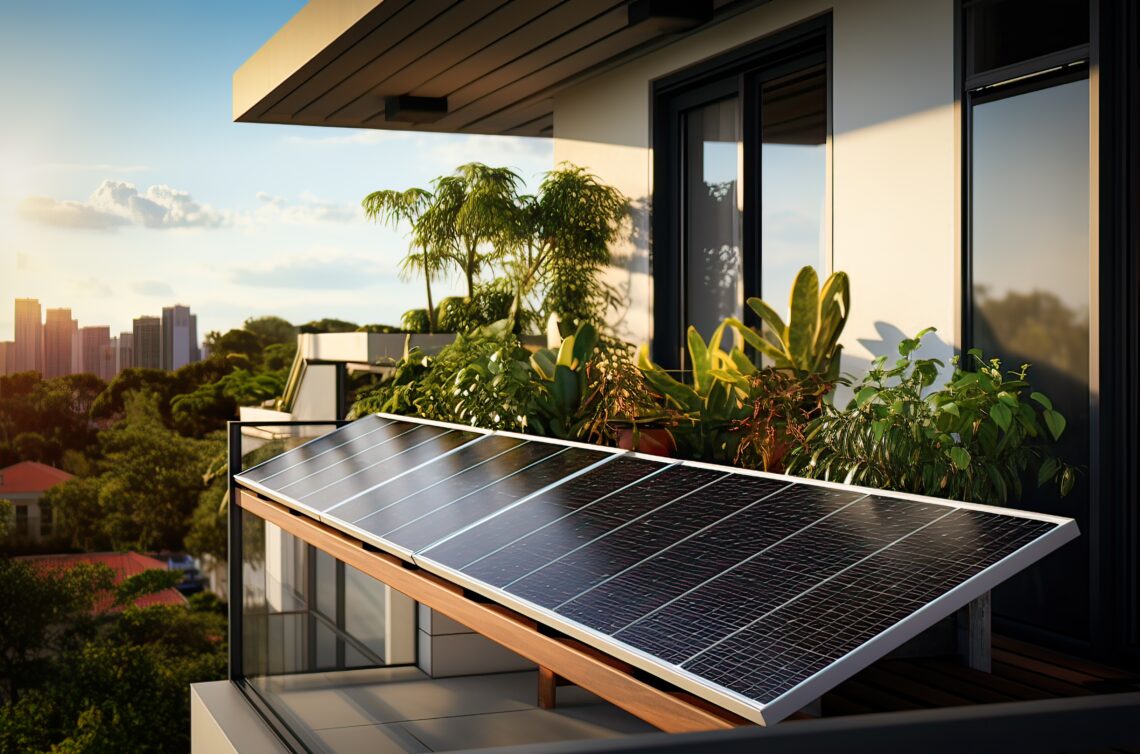
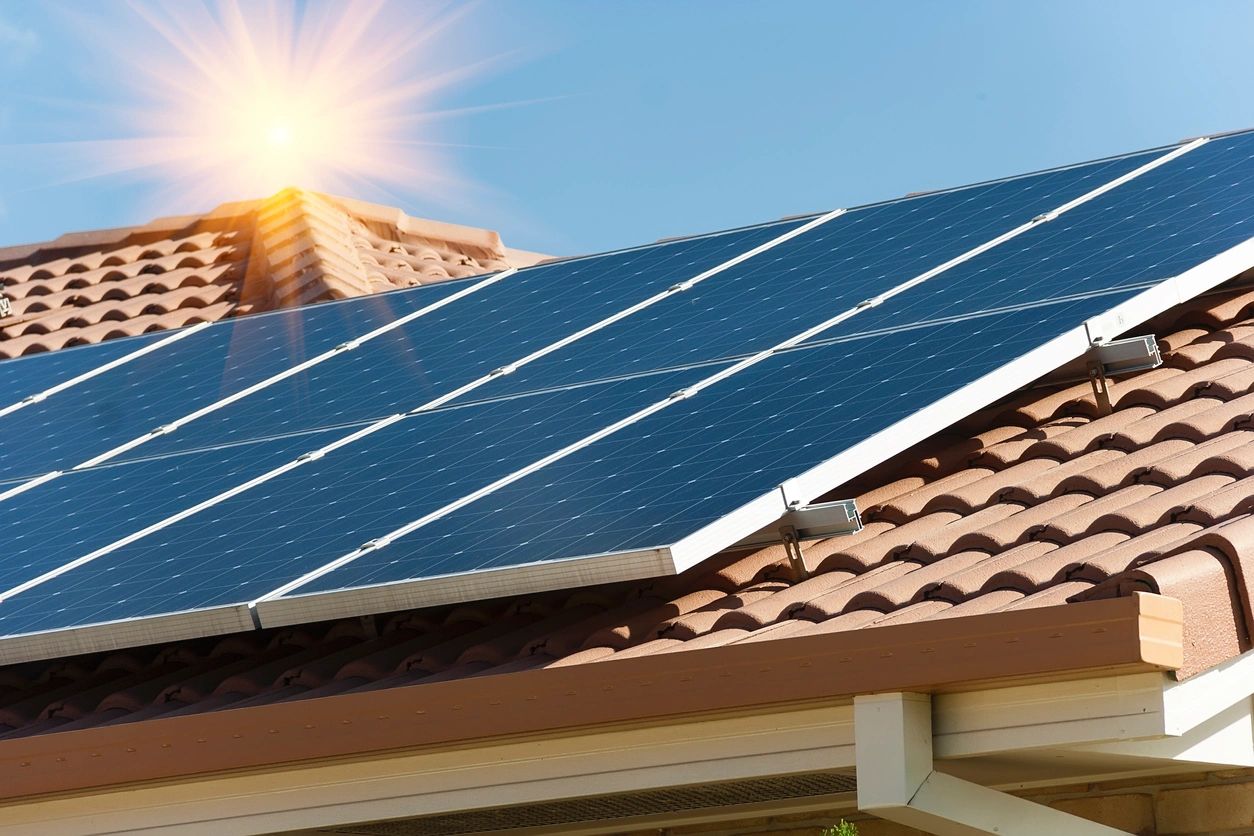
By Holly Shaftel, contributing writer I’ve been a proud of solar panels since 2021. They significantly decreased my electricity bills to $11 per month, and it feels good to do my small part to help combat climate change. Then one day our bills started climbing again. I began wondering if something fishy was happening behind the scenes and to consider getting more solar. Unfortunately, it’s not in the cards for me financially. Next thing I know, “plug-in solar” — also called “plug-and-play” and “balcony solar” — came on my radar. Already common in several European countries, particularly Germany, and legal in Utah, this option works for people who rent, who can’t…
-
Renewable Energy is Powering a Brighter Future
I know it’s hard to ignore the bad news right now. We’re seeing stronger heat waves, bigger wildfires, and oceans under stress. And on top of that, some political decisions feel like they’re pushing us backward instead of forward. But here’s something amazing: in 2025, something shifted—and you’re here to see it. The part that doesn’t always make the headlines? Renewable energy is moving ahead anyway—and it’s picking up speed. For the first time in history, the world added so much renewable energy that fossil fuels actually lost ground. Not just slowed down. Lost ground. Solar panels and wind turbines grew so fast that they supplied 99% of all the…
-
Solar Breakthrough: More Energy from the Same Sunlight
Japanese and German scientists have made a big breakthrough in solar energy—and it could change how much power we get from the sun. Normally, solar panels follow a basic rule: one particle of light (called a photon) creates one unit of energy. Because of this, there’s been a “limit” on how efficient solar panels can be. In fact, they usually capture only a fraction of the sunlight that hits them. But now, researchers have found a way to go beyond that limit. They used a special process called singlet fission. This lets one particle of light split its energy into two usable energy packets instead of just one. To make…
-
The Energy Source That Never Sleeps: Geothermal
An exciting new study led by Mark Jacobson at Stanford University found that using geothermal energy—which is power from heat deep inside the Earth—could be a big help in moving the world toward clean, renewable energy. Geothermal energy works kind of like this: deep underground the rock is super hot, and we can turn that heat into electricity that doesn’t produce pollution. The cool thing is, it can run 24/7—even when the sun isn’t shining and the wind isn’t blowing. This study shows that if we add this underground heat energy to wind, solar, and batteries, we wouldn’t need as much land or as many big energy systems to make…
-
Clean Energy, Fresh Produce: How Agrovoltaics Helps Farmers Beat the Heat
Imagine you’re walking through a field close to home. Except, here’s the twist: above parts of the crops are solar panels. These solar panels are quietly making clean electricity while lettuce, beans, or even sheep thrive underneath. That’s agrovoltaics — combining farming and solar power on the same land. And guess what? It’s not just theory — there are real examples! A City Girl in Farm Country Although I’ve always been a city girl, about three and a half years ago I moved to an agricultural area. I hear a lot about struggling farmers here — and even more about the challenges in California’s hot, dry Central Valley. Water is…
-
Turning Sunlight into a Lifeline: Clean Energy in the Amazon
Part One I’ve been lucky enough to travel to the Peruvian Amazon. Many families there live without electricity, refrigerators, and wash their clothes in nearby rivers. Something as simple as flipping on a light switch or keeping food is a daily struggle. For many Indigenous communities in the Amazon, this is just everyday life. But even with all these challenges, something amazing is starting to shine through — a spark of hope powered by the sun and built on deep respect for the land. The Big Problem: Power and Pollution in the Amazon The Amazon isn’t just a forest — it’s is one of the most amazing places on Earth.…
-
The Truth Behind the Offshore Wind: Who’s Really Opposed?
Part One When I retired from NASA’s Jet Propulsion Lab in early 2024 and moved to California’s Central Coast in 2022, I had big plans for my next chapter—spending more time with my grandkids, and finally taking those classes I’d been dreaming about: geology, astronomy, maybe even jewelry making and flower arranging. But those plans took a turn when I started reading wild claims about offshore wind: that it kills whales, is worse for the environment than fossil fuels, and would ruin our coastline. After years of working in science communications and battling climate misinformation, I knew better than to take those claims at face value. So I did what…
-
Brewing Clean Energy with Caffeine, Cans, and Seawater
Scientists at MIT have recently come up with a cool way to brew clean energy fuel using ingredients like seawater, caffeine, and even aluminum from empty soda cans. This fuel doesn’t release carbon dioxide, which makes it much better for our planet. Here’s How It Works: Aluminum is a super reactive metal. When it touches water, it creates hydrogen gas. Hydrogen can be used as fuel to power things like cars, generators, or even rockets—without causing pollution. But normally, aluminum has a layer of protection on it that stops this reaction. The MIT team found a way to make aluminum react with water by mixing it with something called a…
-
After the Fire: Building Better Battery Storage
Can we build better battery storage? In January 2025, a large fire broke out at the Moss Landing battery storage site in California—one of the biggest in the world. Even though the site started running in 2020, it was built before today’s stronger safety rules for large battery systems were in place. What Happened at Moss Landing? The fire started in the Vistra Energy part of the battery storage facility, where numerous lithium-ion batteries were used to store extra energy from renewables like solar and wind. These batteries are extremely important, because they help provide power when the sun isn’t shining or the wind isn’t blowing. But lithium-ion batteries can…
-
Breeze to the Rescue: Offshore Wind for a Healthier Ocean
I live on the Central Coast of California and am up to my eyeballs in offshore wind. I moved here about three years ago after retiring from NASA’s Jet Propulsion Laboratory in 2024. I thought I was done working—but surprise! I’m busier now than I was when I had a full-time job! Why? We have three offshore wind lease areas covering about 376 square miles of ocean waters located roughly 22 miles off the coast of San Luis Obispo County, near Cambria and San Simeon. I got involved in offshore wind after reading opinion pieces and social media posts saying that wind farms were killing whales and birds. Since I…
-
Smooth Sailing into the Future with Electric Ferries
Electric ferries are here! A new article from CleanTechnica shows a big change in how ferries are being made. Around 70% of new ferries being built around the world now run on electricity instead of gas. This is happening to cut down on pollution and help fight climate change. Why Electric Ferries Are a Big Win Most ferries today use diesel fuel, which gives off harmful gases that pollute the air and contribute to air pollution. Electric ferries, powered by batteries, produce no emissions during operation, making them cleaner for the environment and healthier for people, especially in coastal communities where ferries often operate. From Norway to Uruguay: The Ferry…
-
Good News For A Change: Hope Is On The Horizon
Hope is on the horizon! Amid the challenges, there’s good news: people everywhere are stepping up to protect our planet. From coral reef restoration and reforestation projects to massive clean energy expansions and some wildlife making a comeback, change is happening. Some endangered sea turtles are recovering. Countries are phasing out coal. Kids are leading climate marches. Nature is resilient—and so are we. A Bright New Record for U.S. Power In March 2025, something big happened—clean energy made more electricity than fossil fuels in the U.S. for the very first time! That month, renewable energy sources like wind, solar, and hydropower provided 51% of the country’s electricity, while fossil fuels…
-
Renewable energy is an important solution to climate change
Renewable energy is a critical solution to climate change. Renewable energy is energy from sources we can’t run out of. Some types of renewable energy, like wind and solar, come from sources that are not depleted when used. Others, like biomass, come from sources that can be replenished. Common types of renewable energy are wind, solar, hydropower, biomass and geothermal. Renewable energy has two advantages over the fossil fuels that provide most of our energy today. First, there is a limited amount of fossil fuel resources (like coal, oil and natural gas) in the world, and if we use them all we cannot get any more in our lifetimes. Second, renewable energy produces…