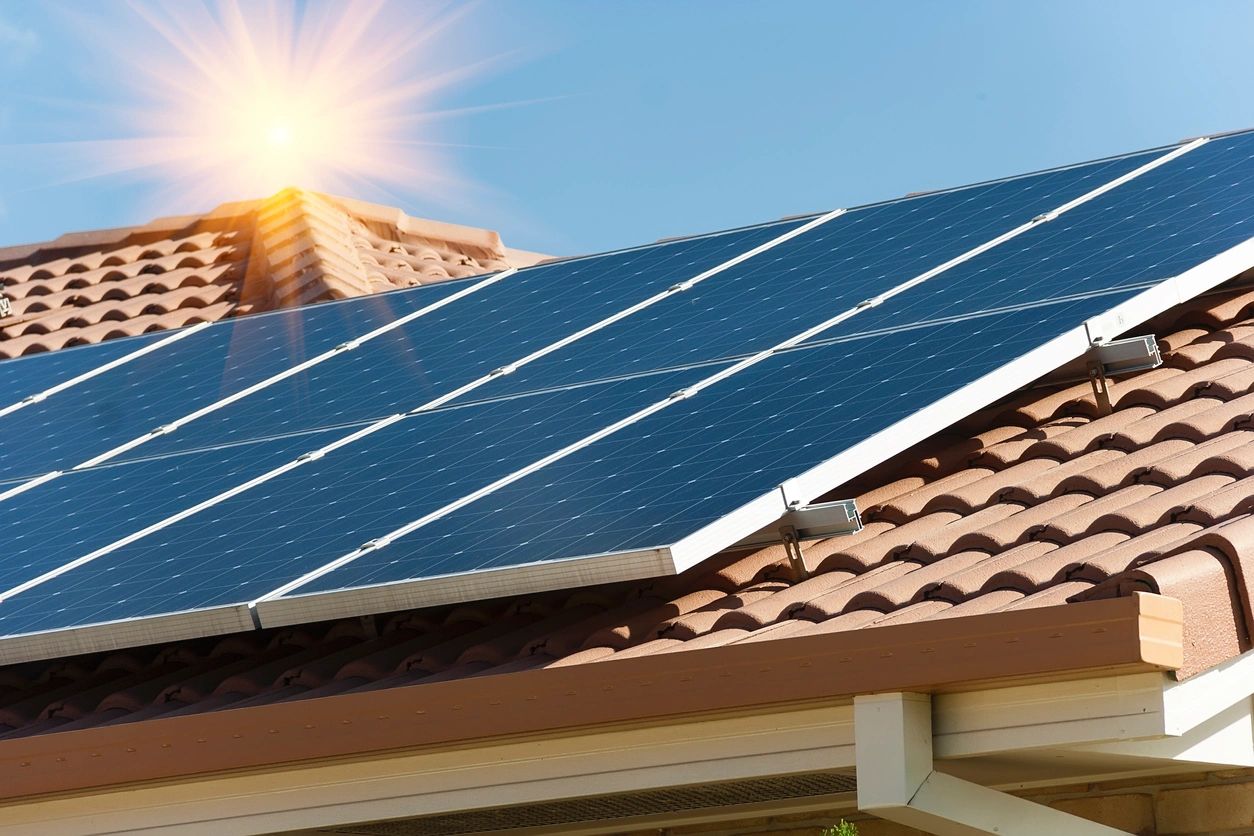

Clean Energy, Fresh Produce: How Agrovoltaics Helps Farmers Beat the Heat
Imagine you’re walking through a field close to home. Except, here’s the twist: above parts of the crops are solar panels. These solar panels are quietly making clean electricity while lettuce, beans, or even sheep thrive underneath. That’s agrovoltaics — combining farming and solar power on the same land.
And guess what? It’s not just theory — there are real examples!
A City Girl in Farm Country
Although I’ve always been a city girl, about three and a half years ago I moved to an agricultural area. I hear a lot about struggling farmers here — and even more about the challenges in California’s hot, dry Central Valley. Water is scarce, costs are high, and climate extremes are making farming harder every year. So when I heard that solar panels might actually help farms grow more food while saving water, I had to check it out.
How Do Agrovoltaics Work?

Instead of covering farmland with big solar farms, agrovoltaics shares the space. Solar panels are raised or spaced out so sunlight can still reach the ground. Crops grow beneath or between them, soaking up just the right mix of sun and shade. Farmers can still drive tractors through, tend their plants, and even let animals graze below the panels. It’s like sharing the sunshine — part for food, and part for the power grid.
Why It’s a Win-Win
I often hear debates about whether land should be used for farming or for renewable energy. Agrovoltaics says, “Why not both?”
Here’s why this combo is such a game-changer:
Clean power – comes from the sun instead of fossil fuels.
Healthier, happier crops – Cooler, shadier conditions help soil hold more water.
Water savings – Shaded soil dries out more slowly.
Extra income for farmers – They can sell food and electricity.
Some states are already leading the way. Massachusetts is a pioneer in funding agrivoltaics through its Solar Massachusetts Renewable Target (SMART) program, which gives extra financial rewards to solar owners who combine panels with active farming — the first program of its kind in the U.S. Other Western states are catching on: Washington, Colorado, and Arizona have set aside funding for agrivoltaics research and pilot projects. I’m hoping that California will do the same very soon.
A Local Example
Here on California’s Central Coast and throughout the Central Valley, this idea is starting to take off.
A great piece from Civil Eats highlights how solar panels are helping farmers save water as the state gets hotter and drier. The shade from solar arrays keeps soil cooler, reducing evaporation and helping crops retain moisture — a huge win when every drop counts.
Researchers in places like San Luis Obispo, California are even studying sheep grazing under solar arrays. In shaded pastures, grasses have higher water content and better nutrition. And nearby at the Topaz Solar Farm, sheep graze under panels that keep the ground from baking in the sun — it’s a perfect example of how renewable energy and agriculture can work hand in hand.
Challenges With Agrovoltaics
Of course, it’s not as simple as plopping panels on every farm.
- Panels need to be placed just right so crops still get enough sunlight.
- Some farm equipment has to be modified to fit underneath.
- And while costs are dropping, solar still requires an upfront investment.
Plus, as Civil Eats points out, policy support matters — a proposed California bill to fund agrovoltaics research didn’t pass last year. But momentum is building, and more pilot projects are popping up across the state.
The Bigger Picture
Agrovoltaics is a hopeful glimpse of how we can adapt to a changing climate — not by choosing between farming and clean energy, but by blending the two.
When I look out across nearby fields, I imagine a future where farmers don’t have to pick between food and power, or between survival and sustainability. They can have both.
Someday soon, I hope to see fields full of lettuce, sheep, and solar panels — growing food and a cleaner future for our kids and grandkids under the very same California sun.
Stay tuned here for more exciting solutions to climate change!