
The Truth About Fake Grass: It’s Not So Green After All
When I worked at NASA’s Jet Propulsion Laboratory (JPL) in Southern California, I thought a lot about water—how precious it is here on Earth. Living in drier area, I wanted to save water at home. My front lawn took a lot of it, so I replaced the grass with fake grass, or “artificial turf”.
Doing your homework is really important. I tested different types to see which stayed cooler in the sun. I picked one that didn’t get too hot and said it was recyclable. It seemed like a smart, eco-friendly choice. Win-win, right?
I didn’t know then what I know now: that fake grass can contain toxic chemicals. That tiny plastic bits can end up in the air and water. That it can become a health risk—not just to people, but to pets, wildlife, and the planet.
Trying to do the right thing is a journey. It’s impossible to get everything right the first time. But each mistake teaches us something new—and makes us better at protecting the world we love. Here are a few things I’ve learned:
Fake Grass Is Filled With Chemicals
Artificial turf, made of plastic blades and a backing, often includes a messy infill of recycled rubber—a seemingly clever use for old tires. However, this rubber contains hundreds of concerning chemicals, including PFAS (“forever chemicals”), lead, arsenic, benzene, VOCs, and phthalates. These substances can mess with hormones, increase cancer risk, and build up in the body over time, causing significant health threats.
Fake Turf Is Super Hot and Uncomfortable
In summer, fake turf can reach over 160°F, making it feel like walking on a stove! Real grass only gets up to about 100°F. This heat can burn your skin or make an already hot day feel even warmer.
Because artificial turf is made from plastic and rubber—not real plants—it doesn’t give us the benefits that real grass and greenery do, like helping cool down cities during heat waves.
It’s a Microplastics Problem
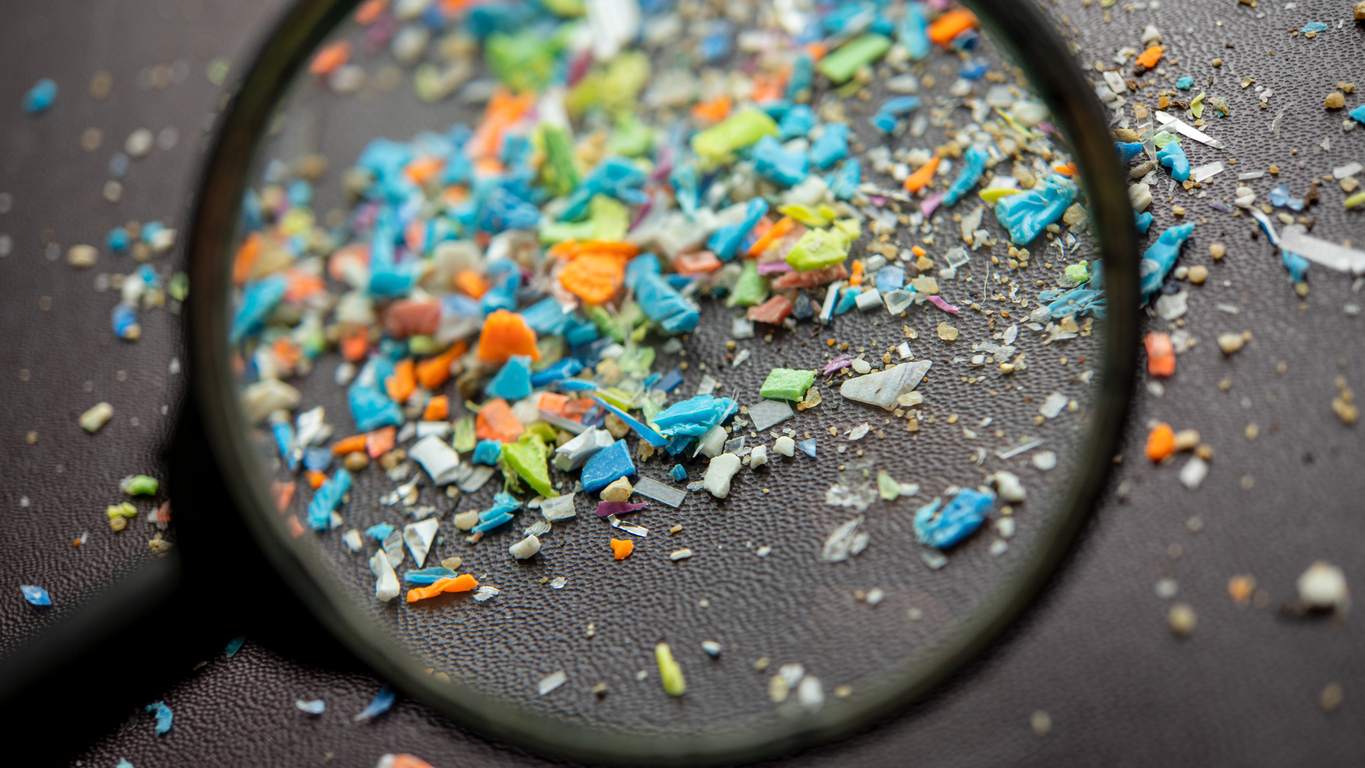
As the turf ages, tiny plastic bits (microplastics) and crumb rubber spread by the wind, get into soil and water, and end up in our environment. One study found that artificial grass fibers made up 15% of plastic waste near the shore in Barcelona, Spain.
What Happens When Fake Grass Is Old?
Fake turf only lasts about 8–10 years. After that, it usually gets thrown away, burned, or buried—there’s no good way to recycle it. Because it’s made of so many different materials, that makes it really hard to recycle.
And that’s not all—over time, rocks, leaves, dirt, and trash get mixed in, making it even harder to separate everything when it’s time to throw it away or try to recycle it.
Bottom line? Fake turf is a recycling nightmare. Most of the time, it ends up in a landfill or gets burned—not exactly eco-friendly.
Earth-Friendly Options To Artificial Grass
For example, if you want a green space without using a ton of water—or adding a pile of plastic to the planet—there are better choices than artificial turf. Here are some smart, eco-friendly alternatives:
Native Plants: Look for plants that naturally grow in your area. They don’t need much water, fertilizer, or care because they’re used to the local weather. Native plants saves water, supports local wildlife, and attracts pollinators, like bees and butterflies. You can even turn your garden into a certified wildlife habitat!

Drought-tolerant groundcovers: These are low-growing plants that spread across the ground, kind of like a living carpet. Some are soft enough to walk on! Examples include creeping thyme, kurapia, clover, and California fescue. These are great choices because they don’t need much water, stay green naturally, and help to cool the area.
Rain gardens: These are gardens built in low areas to catch rainwater from roofs, driveways, and streets that help it soak into the ground. They can be planted with colorful flowers and shrubs.

Mulch or bark: You can use bark chips, wood mulch, or gravel to cover open areas where you don’t need plants. These help to prevent weeds and keep the soil cool and moist.
Smaller, Real Lawns: If you really want or need a grass lawn, try using a smaller area with eco-friendly grass varieties that need less water and mowing. If you don’t have kids or pets running around, planting clover is a great option. It stays green, doesn’t need much water, and gives bees a helpful food source.
The Bottom Line
To sum it up, the best “lawn” isn’t always one you can play soccer on. It’s one that helps the planet, supports nature, and makes your space feel alive. It really depends on your needs. Above all, you’ll be making insects and butterflies happy!
Curious about plastic pollution? Take a look at these stories:


You May Also Like

Oohs, Ahhs, and Toxic Aftermath of Fireworks
The Race to Save Critically Endangered Rhinos