
How California’s Ocean Heat Wave Is Wiping Out Seabirds
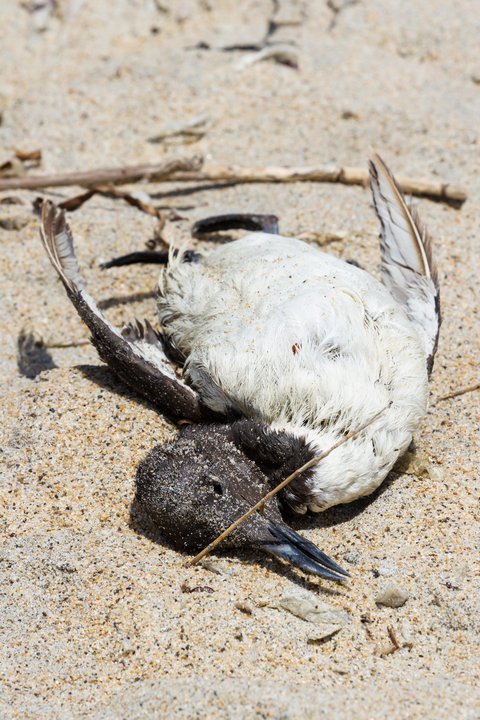
My good friend, George is a surfer. Recently, he walked up the beach carrying his surfboard and counted seven dead birds in a distance of just 100 feet or so. So, what’s going on?
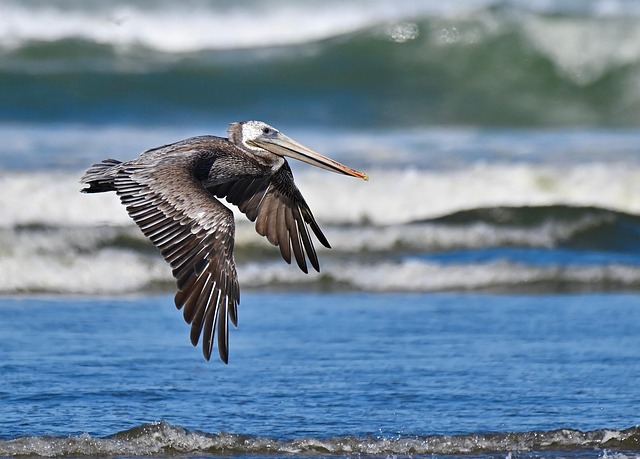
A major ocean heat wave is hitting the California coast and harming wildlife — especially seabirds like pelicans, cormorants, murres, and gulls.
In some places, ocean temperatures have jumped as much as 7 degrees above normal, breaking records along the coast. Scientists at the Scripps Institution of Oceanography recorded 38 days since January 1st where the water temperature off their La Jolla pier broke records dating back to 1916.
Why Are Birds Starving?
Warm water disrupts the ocean food chain. That allows colder water from deep in the ocean to rise to the surface in a process called upwelling. This cold water brings nutrients that feed tiny plants called plankton. Small fish eat the plankton, and seabirds eat the fish. Those fish are what seabirds depend on.
During a marine heat wave, the warmer surface water acts like a lid, blocking the cold, nutrient-rich water from rising. The result is less plankton, fewer fish near the surface, and hungrier birds.
Brown pelicans can only dive about 6 feet underwater. If fish move deeper, the birds just can’t reach them. Philip Unitt of the San Diego Natural History Museum confirmed that the unusually warm water has pushed fish well beyond the depth these birds can reach.
What Are Rescuers Seeing?
Credit: Charles Wollertz
Wildlife rehabilitation centers in San Diego are seeing large numbers of starving birds. Many arrive severely underweight, dehydrated, and too weak to fly. Jeni Smith, a rescue supervisor at SeaWorld, said the number of cases is far higher than in past years, turning the rescue effort into an “all hands on deck” situation.
Scientists tested the birds and ruled out bird flu — starvation is the main cause of death. Species being hit hardest include Brown Pelicans, Brandt’s Cormorants, and Common Murres. A similar problem is happening to seabirds in Alaska as well.
At the International Bird Rescue Center in Fairfield, staff are caring for about 20 pelicans suffering from starvation, and nearly 50 more are being treated at their Southern California location. One wildlife manager said that for some of these birds, it was the first real meal they’d had in weeks.
Could Things Get Worse?
Scientists expect an El Niño weather pattern to develop in the coming months, which could further weaken upwelling and make it even harder for cold, nutrient-rich water to reach the surface.
According to climate scientist Dr. Daniel Swain, marine heat waves rarely disappear in just days or weeks — they usually take months to weaken. Because of this, wildlife rescue teams are preparing for even more birds to need help.
What Can You Do?
Researchers across California are sharing data and conducting regular beach surveys to track how widespread the die-off is. If you see a struggling seabird on the beach, report it to local rescue professionals rather than trying to handle it yourself. Supporting wildlife rehabilitation centers and ocean research programs also makes a real difference as these events become more common.
We’re tracking the latest climate developments so you don’t have to — stay with us!

You May Also Like

The Big Thaw: What’s Happening to Earth’s Ice Right Now
Earth’s Energy Imbalance: Why Our Planet Is Heating Up