Featured Posts
-
Butterflies Are on the Move — and That’s a Warning Sign
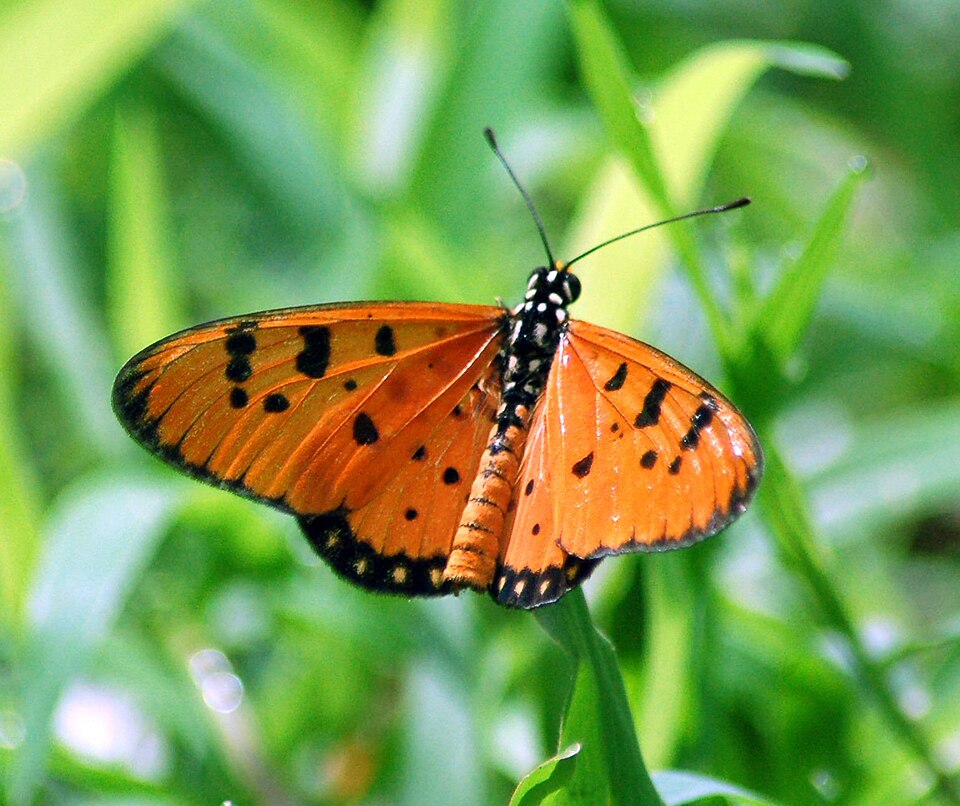
Butterflies are turning up in places they’ve never lived before. And they’re vanishing from places they’ve called home for generations. Climate change seems to be a big reason why. In the largest study of its kind, an international team led by Shawan Chowdhury at Monash University in Australia combed through more than 6,000 records of butterfly movements, covering 1,758 species in 105 countries. Their results, published in August in Nature Ecology & Evolution, are striking: about 1 in 10 butterfly species worldwide has already changed where it lives, and climate change or extreme weather was connected to nearly 80% of those moves. But here’s the kicker: that 1-in-10 number is…
-
Toxic PFAS May Be in Your Tap Water
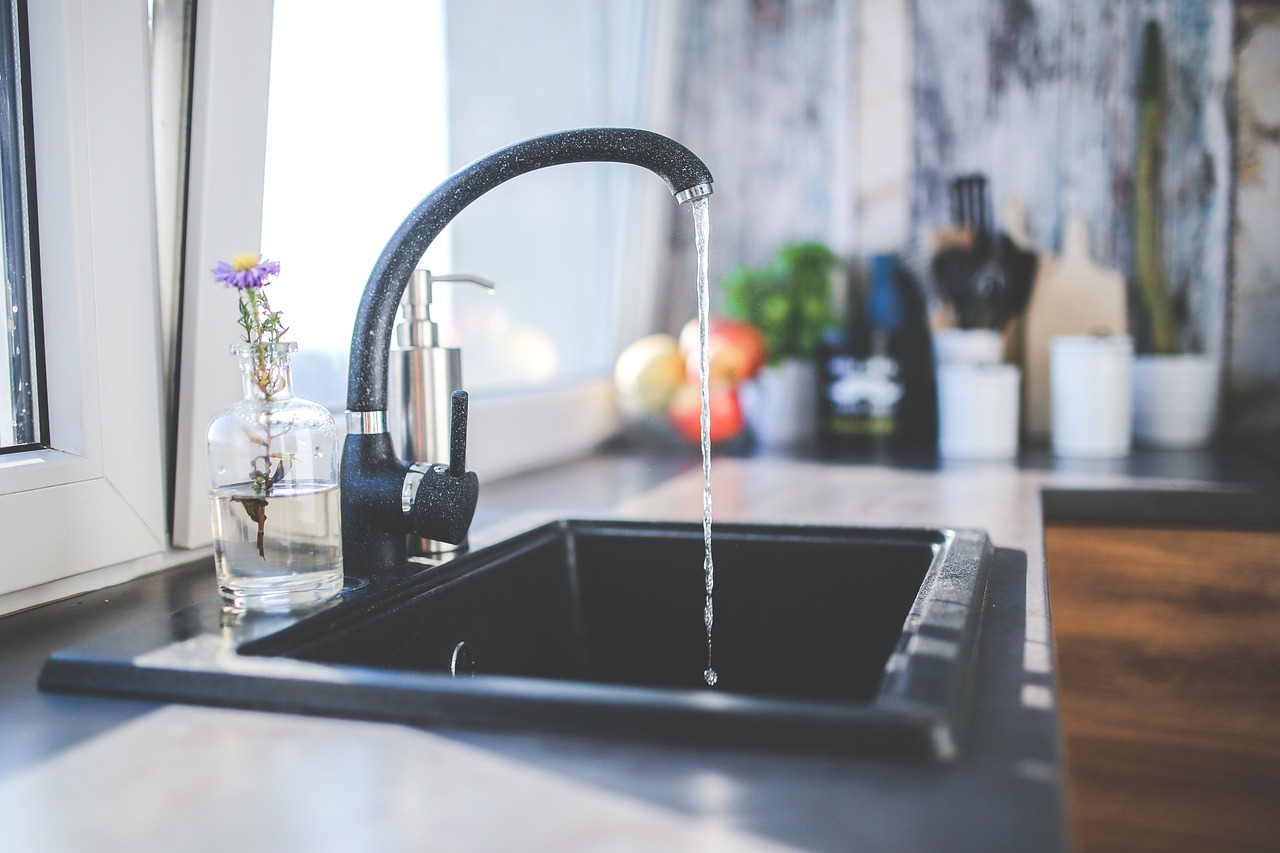
Nearly half of the nation’s tap water is thought to contain one or more kinds of chemicals called PFAS, which stands for per- and polyfluorinated alkyl substances. This finding comes from a recent study by the U.S. Geological Survey (USGS). Believe it or not, there are over 12,000 different types of toxic PFAS, but we can’t detect all of them with the tests we have now. In this study, the USGS looked for 32 specific types of PFAS. What exactly are PFAS? Toxic PFAS chemicals are used in a lot of everyday products, like nonstick cookware, food packaging, stain-resistant fabrics, firefighting foams, and even cosmetics. There are over 14,000 of…
-
What Happens When Earthquakes Hit a Thawing Arctic?
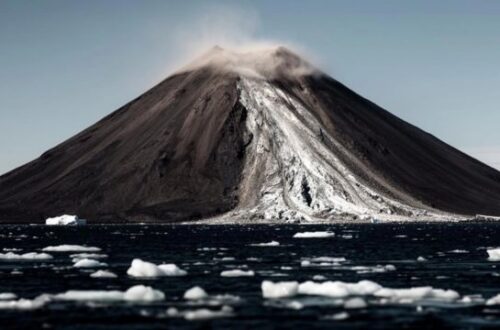
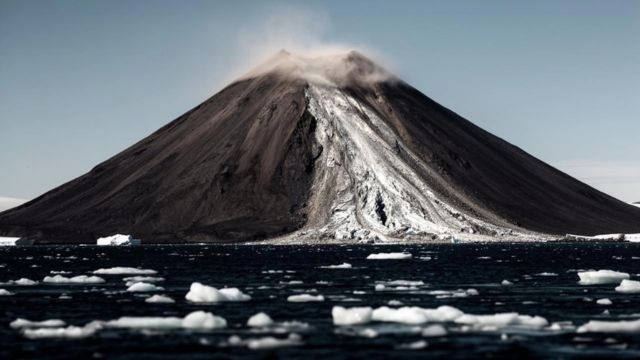
What a rockslide on a tiny Arctic island can teach us about a warming world Way up in the Arctic, about halfway between Iceland and Norway’s Svalbard islands, there’s a skinny little island called Jan Mayen. It’s about 30 miles long. It has one volcano — a big one, Beerenberg — a handful of glaciers sliding down its sides, and no permanent residents except a rotating crew of about eighteen people who run a weather station. It is, in other words, one of the loneliest places on Earth. Which makes what happened there on March 10, 2025, easy to miss. That day, a magnitude 6.5 earthquake rattled the island. And…
-
Roadless Rule: Forests On The Chopping Block
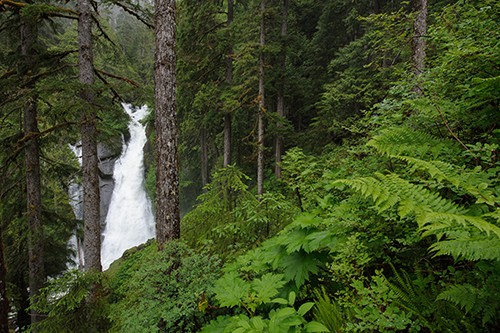
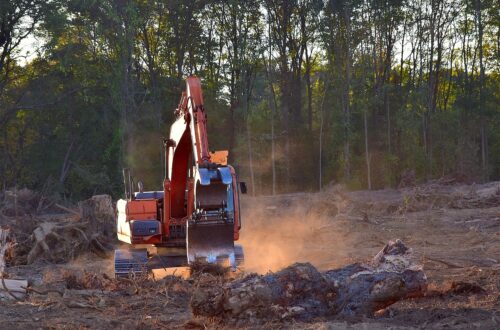
On August 18, 2026, the Trump administration made a big announcement. It wants to get rid of a rule called the Roadless Rule. This rule has protected about 45 million acres of national forest for 25 years — that’s almost a third of all the national forest land in the country. If the rule goes away, companies could build roads and cut down trees in forests that have stayed wild for decades. This might sound like a small change in government policy. It’s actually one of the biggest decisions about nature and public land in U.S. history. What Is the Roadless Rule? Back in 2001, the U.S. government made a…