

Is Global Warming Just an Urban Heat Island Effect? Scientists Say No
Have you ever noticed it’s hotter in a city than in the countryside? That’s not your imagination — it’s a real thing called the urban heat island effect. But some people claim this means global warming isn’t real, that we’re just measuring hot pavement instead of an actual warming planet.
It may sound convincing at first, but the evidence doesn’t support it.
First, What is the Urban Heat Island Effect?
Cities are full of concrete, asphalt, and buildings that soak up heat during the day and release it slowly at night. There aren’t many trees to provide shade or moisture. So, cities end up several degrees warmer than the forests and fields around them. Scientists have known about this for a long time — it’s not a secret or a mistake.
So, Why Doesn’t It Explain Global Warming?
Ocean temperatures are rising, too.
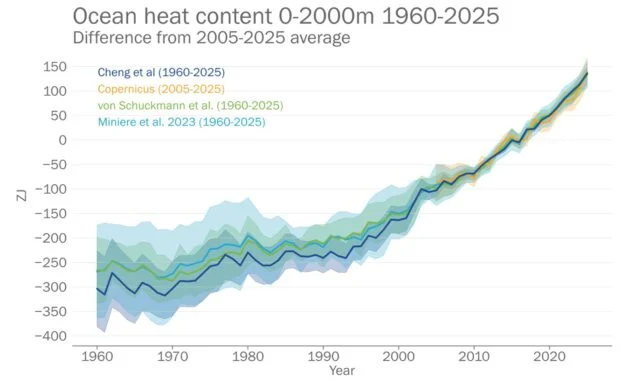
71% of the Earth is ocean — and there are no cities out there. Ocean temperature is rising and breaking heat records every year. You can’t blame that on city heat.
Satellites don’t lie.
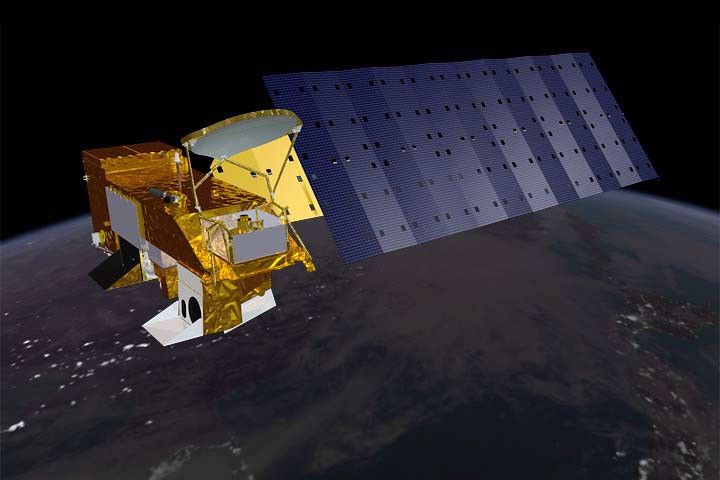
Since 1979, we’ve had satellites measuring temperatures from space. No pavement, no skyscrapers exist in the atmosphere. They show the same warming trend as ground measurements.
Scientists already account for the Urban Heat Island effect.
Researchers have known about urban bias for decades. Agencies like NASA and NOAA use methods to compare urban stations against rural ones and adjust accordingly. When they look at temperature data from only rural areas — farms, forests, remote stations — the warming trend is still there.
The Arctic is heating up the fastest — and it has almost no cities.
If city heat were the problem, warming would show up most around cities. Instead, the biggest warming is happening in the Arctic — one of the most remote, least populated places on Earth.
The math doesn’t add up.
Cities cover less than 1% of Earth’s surface. Even if every city thermometer were way off, it would only change the global average by a tiny fraction of a degree — nowhere near the 1.5°C of warming we’ve measured.
The Bottom Line
The urban heat island effect is real — but it’s a local thing. Global warming is measured across the entire planet: in oceans, from space, in the Arctic, and in rural areas far from any city. All that data tells the same story. We’re not measuring hot sidewalks. We’re measuring a warming Earth.


You May Also Like

How California’s Ocean Heat Wave Is Wiping Out Seabirds

Floods: The New Normal?