
The Rapidly Evolving World of Grid Battery Storage
For most of the 2010s, “grid-scale battery storage” meant one thing: rows of lithium-ion racks, stacked in shipping-container-sized enclosures, doing their job quietly behind chain-link fences. Then came Moss Landing — and the industry’s relationship with that assumption changed for good. What’s followed since has been one of the more interesting sprints in energy technology: a scramble to build storage that’s not just bigger, but safer, cheaper, and better suited to keeping a renewable-heavy grid running for hours or even days at a time.
Moss Landing: The Wake-Up Call
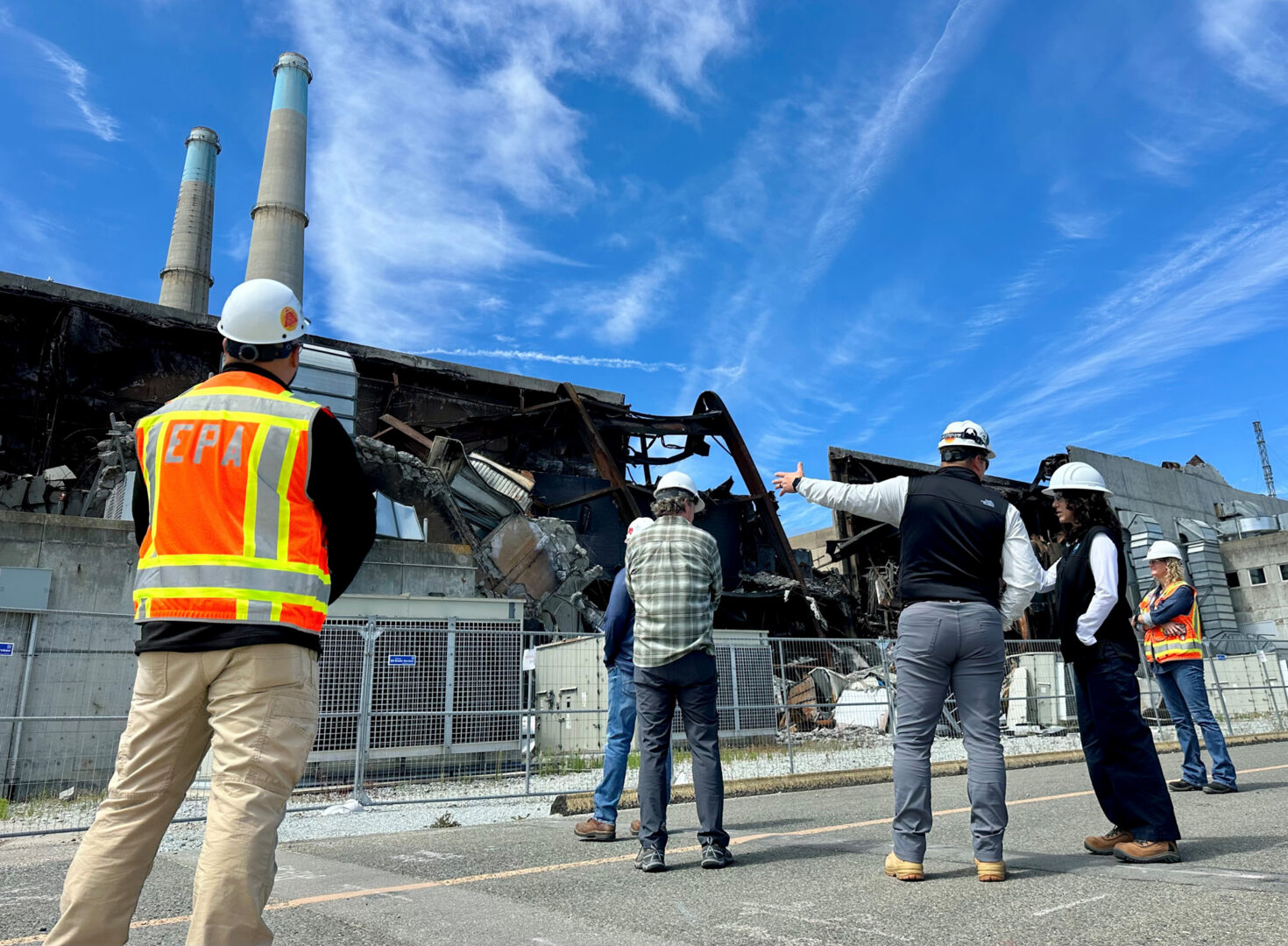
Credit: EPA
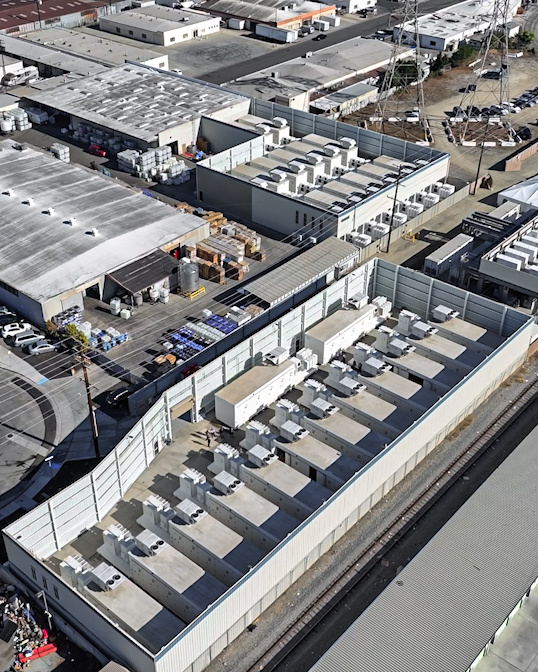
California’s Moss Landing battery storage facility was once the world’s largest and a symbol of the clean energy transition. But on January 16, 2025, a massive fire destroyed about 55% of its lithium-ion batteries, forced more than 1,000 people to evacuate, and burned for three days because firefighters couldn’t safely put it out with water.
More than a year later, cleanup is still underway in what the EPA calls the largest lithium-ion battery cleanup in its history. The cause of the fire remains unknown, lawsuits are ongoing, and some California communities paused new battery storage projects while officials reviewed safety rules.
The fire didn’t end the use of lithium-ion batteries, but it exposed the risks of large battery storage systems and accelerated efforts to develop safer battery technologies.
Modular Battery Storage: Containing the Risk
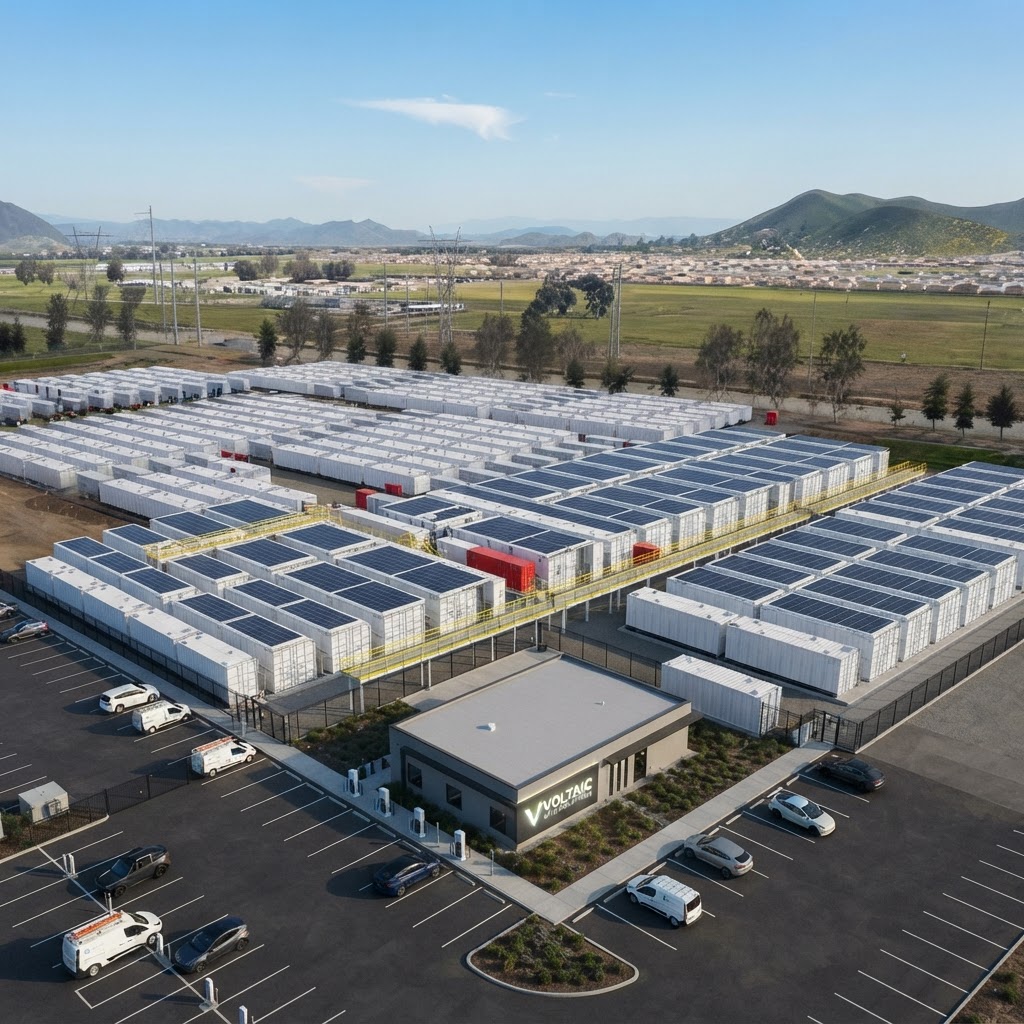
Battery storage sites are now modular. Rather than putting tens of thousands of batteries into one huge building, many new projects use smaller, container-sized units. If one unit catches fire, it can be put out and isolated before the problem spreads to the rest of the facility.
This design also makes battery projects easier to build. Companies can bring in new battery units as they’re needed instead of building everything at once. That saves time, makes repairs easier, and gives nearby communities more confidence that these facilities can operate more safely. Image: AI
Sodium-Ion Batteries: A Safer, More Common Alternative
Sodium-ion batteries are becoming one of the biggest new alternatives to lithium-ion batteries. Instead of using lithium, they use sodium—an element that’s about 1,000 times more common in Earth’s crust and can be found almost everywhere. That could make batteries cheaper and reduce the world’s dependence on lithium mining.
In 2026, sodium-ion batteries began moving from the lab into the real world. Major companies like CATL and BYD are starting large-scale production for electric vehicles and grid energy storage. In the U.S., California-based Peak Energy is building the country’s first factory dedicated to sodium-ion batteries for the power grid. These new technologies all solve different problems. The Moss Landing fire showed the danger of putting huge numbers of lithium-ion batteries in one place. New modular designs make battery storage safer by dividing it into smaller units. Sodium-ion batteries use a cheaper, more common material and are less likely to catch fire. CO₂ batteries solve a different challenge by storing electricity for much longer periods, helping keep the power on when the sun isn’t shining or the wind isn’t blowing.
No single battery technology will replace lithium-ion. Instead, the future power grid will likely use a mix of different technologies, each for the job it does best. Together, they’ll make our electric grid safer, more reliable, and better able to support clean energy. is building the country’s first factory dedicated to sodium-ion batteries for the power grid.
Sodium-ion batteries don’t store quite as much energy as the best lithium-ion batteries, but they have some important advantages. They cost less, work better in cold weather, and are much less likely to overheat or catch fire. That makes them a promising choice for storing renewable energy safely.
CO₂ Batteries: Storing Energy with Carbon Dioxide
One of the most unusual and ingenious new energy storage technologies doesn’t use traditional batteries at all. Instead, it uses extra electricity to squeeze carbon dioxide (CO₂) into a liquid. When electricity is needed later, the liquid CO₂ expands back into a gas and spins a turbine to generate power. The CO₂ stays sealed inside the system, so it doesn’t escape into the atmosphere.
The biggest advantage is that CO₂ batteries can store energy for 8 to 24 hours, much longer than most lithium-ion batteries. That makes them especially useful for keeping the lights on when the wind isn’t blowing or the sun isn’t shining. The technology is already being tested in Arizona, Ireland, and Australia, and companies like Google are investing in it to help meet growing electricity demand.
Where Battery Storage Is Headed
These new technologies all solve different problems. The Moss Landing fire showed the danger of putting huge numbers of lithium-ion batteries in one place. New modular designs make battery storage safer by dividing it into smaller units. Sodium-ion batteries use a cheaper, more common material and are less likely to catch fire. CO₂ batteries solve a different challenge by storing electricity for much longer periods, helping keep the power on when the sun isn’t shining or the wind isn’t blowing.
No single battery technology will replace lithium-ion in the near future. Instead, the future power grid will likely use a mix of different technologies, each for the job it does best. Together, they’ll make our electric grid safer, more reliable, and better able to support clean energy.
Looking for more ways to fight climate change? You’ve come to the right Nana — check out my Solutions page for the ideas actually making a difference!