
Desalination: Why Turning Ocean Water Into Drinking Water Isn’t as Easy as It Sounds
More and more cities are running out of water. In coastal areas, people often say, “There’s a whole ocean right there — why not just take the salt out and drink it?” It sounds like a simple fix. But desalination plants (the places that do this) actually cause some real problems. In addition, they don’t produce nearly as much clean water as you’d think. Let’s break down why.
The Leftover Salt Has to Go Somewhere
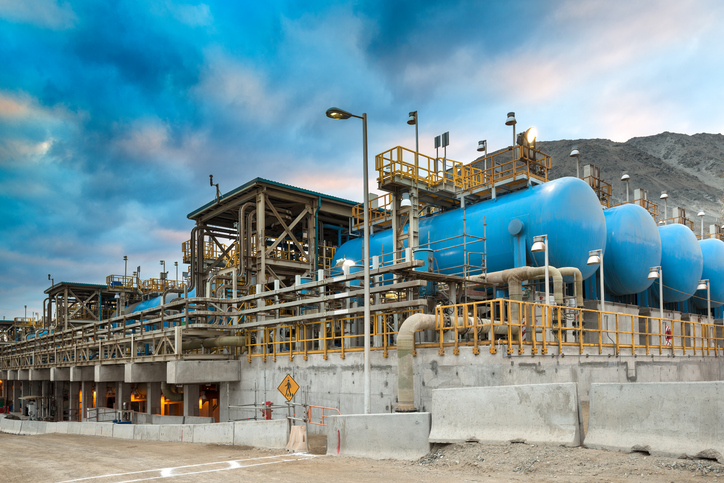
Here’s how desalination basically works: a plant sucks in ocean water and pushes it through filters to remove the salt. But here’s the catch — for every 2 cups of ocean water that go in, only about 1 cup comes out as clean drinking water. The other cup becomes a super salty, leftover liquid called brine.
That brine is usually twice as salty as regular ocean water, plus it has extra chemicals mixed in from the filtering process. Most desalination plants just dump it back into the ocean. When too much brine piles up in one spot, it sinks to the bottom and sucks the oxygen out of the water. This can hurt or kill fish, coral, and other sea life nearby. Around the world, desalination plants dump an enormous amount of brine into the sea every single day.
Desalination Uses a Huge Amount of Electricity
Removing salt from water takes a lot of power — way more than treating regular fresh water. Desalination plants around the world use an enormous amount of electricity every day. That energy is often the single biggest expense of running one. If that electricity comes from burning coal or gas, the plant is basically trading one problem (not enough water) for another (more pollution and climate-warming gases). That’s a strange trade for something people call an eco-friendly water solution.
Fish Get Caught in the Pipes Too
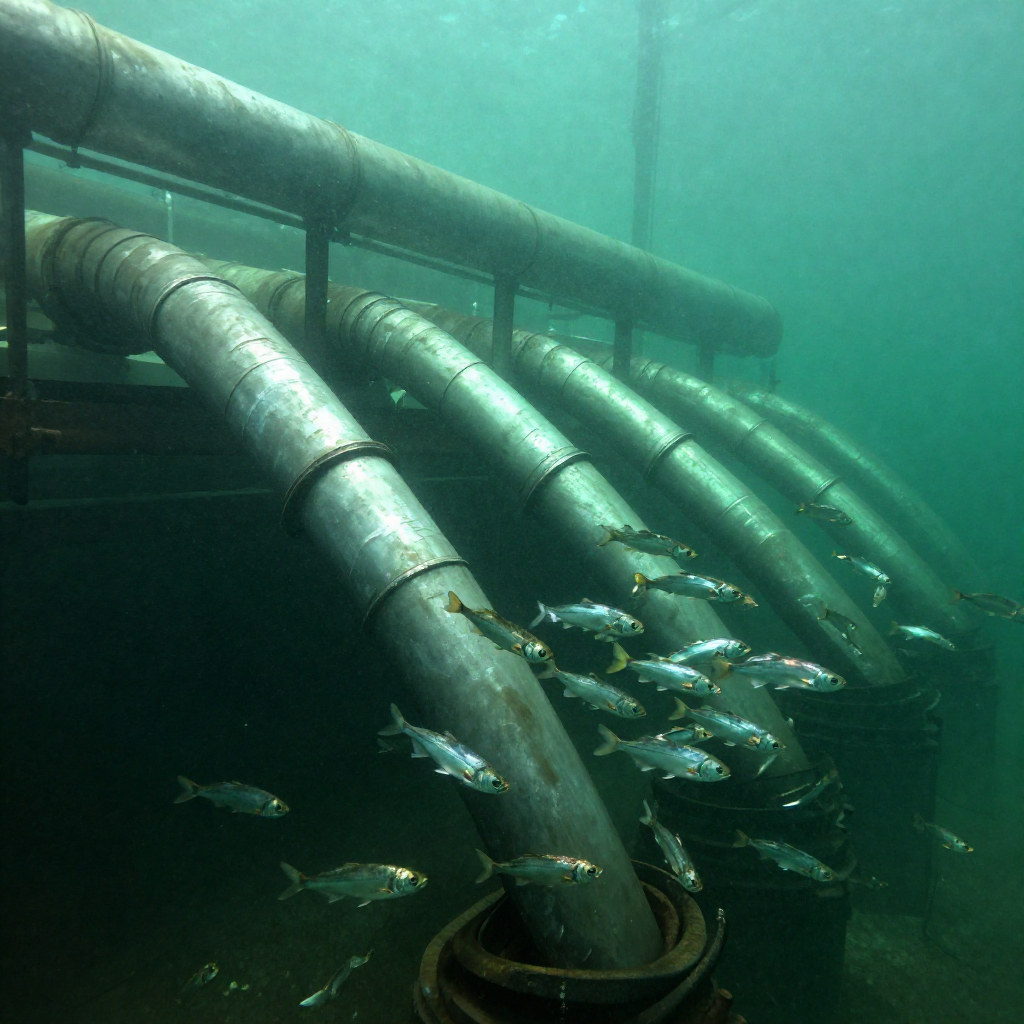
Before ocean water even gets to the filters, it is sucked in through giant pipes. Small fish, fish eggs, and other tiny sea creatures often get trapped or killed in this process. It’s not as dramatic as an oil spill, so most people never notice it. But over time, it can quietly reduce the number of fish living in the area.
So How Much Water Do You Actually Get?
Here’s the surprising part. About half of the seawater entering a desalination plant becomes drinking water. The other half becomes highly concentrated brine. That means desalination plants create nearly as much salty waste as fresh drinking water.News reports rarely mention that part.
Because of these challenges, desalination supplies only a small share of the world’s fresh water. It costs much more money and energy than most other water sources. Rivers, groundwater, and recycled wastewater are usually much cheaper. That’s why many communities use desalination only as a last resort, even in places facing severe water shortages.
Desalination Isn’t All Bad — Let’s Be Fair
Some places really need it. Countries like Israel and Saudi Arabia don’t have many other freshwater sources, so desalination is a huge part of how they get drinking water. For them, it’s not just a backup plan — it’s essential.
The technology keeps getting better. Newer methods use less energy than older ones, and engineers keep finding ways to make the filters more efficient.
The leftover brine might not have to be wasted. Scientists are working on ways to pull useful salts and minerals out of brine instead of just dumping it — though this idea is still mostly being tested, not used everywhere yet.
Some plants are starting to use solar and wind power instead of fossil fuels, which would make the pollution problem a lot smaller.
So, What’s the Point?
Desalination can help in places that truly don’t have other options, but it’s not a free, easy fix. It hurts ocean life through brine and fish-trapping, it burns a lot of energy, and it actually produces less usable water than people assume. Before jumping straight to “just build a desalination plant,” it’s usually smarter — and cheaper — to try things like saving water, fixing leaky pipes, and reusing wastewater first.