Human Impact
-
Poison in Disguise: The Scary Side of Plastic Recycling
When we think of plastic recycling, we usually imagine helping the planet—turning old stuff into something new instead of throwing it away. But did you know that recycling plastic might actually be more harmful than helpful in some cases? We’ve grown up being told that recycling is the best way to help the planet. It became a badge of honor: rinse the yogurt cup, separate the caps, fill the blue bin. It felt like the right thing—and for a long time, it was one of the best tools we had. But now, the story’s getting more complicated. I’ve decided to dig deeper and ask myself, “Am I really helping?” I…
-
The Shocking Truth About Factory Farming and the Environment
By Holly Shaftel, contributing writer When it comes to fighting climate change, many people know we need to stop using dirty energy (fossil fuels) like coal, oil, and gas and switch to clean power like solar and wind. But did you know factory farming — a way to raise animals for food in large-scale industrial settings for profit — is also a big problem? It doesn’t just heat up the planet — it also harms the environment in many other ways. (Plus, it’s a huge animal welfare issue.) Let’s take a look at the problems and some solutions. Greenhouse Gas Emissions The United Nations Food and Agriculture Organization (UN FAO)…
-
Smiling Angel in Peril: The Yangtze Finless Porpoise
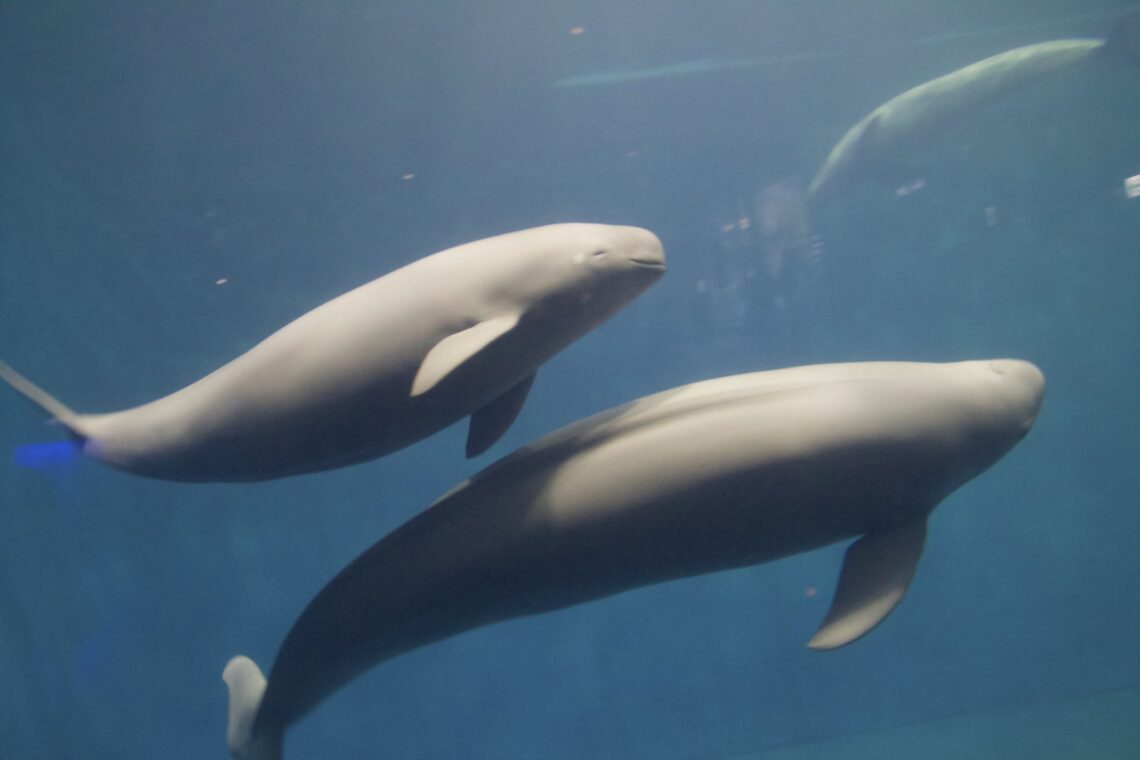
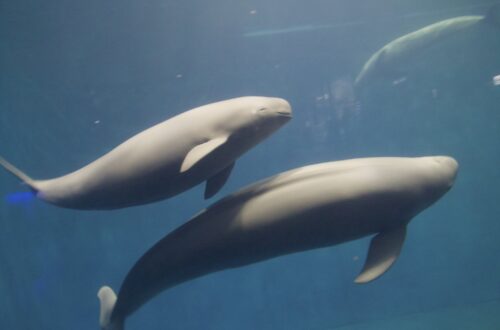
By Holly Shaftel, contributing writer In China’s Yangtze River, a shy, finless “Smiling Angel” glides through the water, echolocating with others of its kind. This is the Yangtze finless porpoise, the world’s only known freshwater porpoise. It once shared its habitat with the Baiji dolphin, however that species was declared functionally extinct* in 2007. Now, the porpoise faces its own fight for survival. In 2013, the International Union for Conservation of Nature (IUCN) listed it as critically endangered due to growing threats from human activity. Will the porpoise disappear next? Why Do We Need the Yangtze Finless Porpoise? Nature is like a giant game of Jenga. Each species is a…
-
The High Cost of Cheap Clothes: Fast Fashion Waste
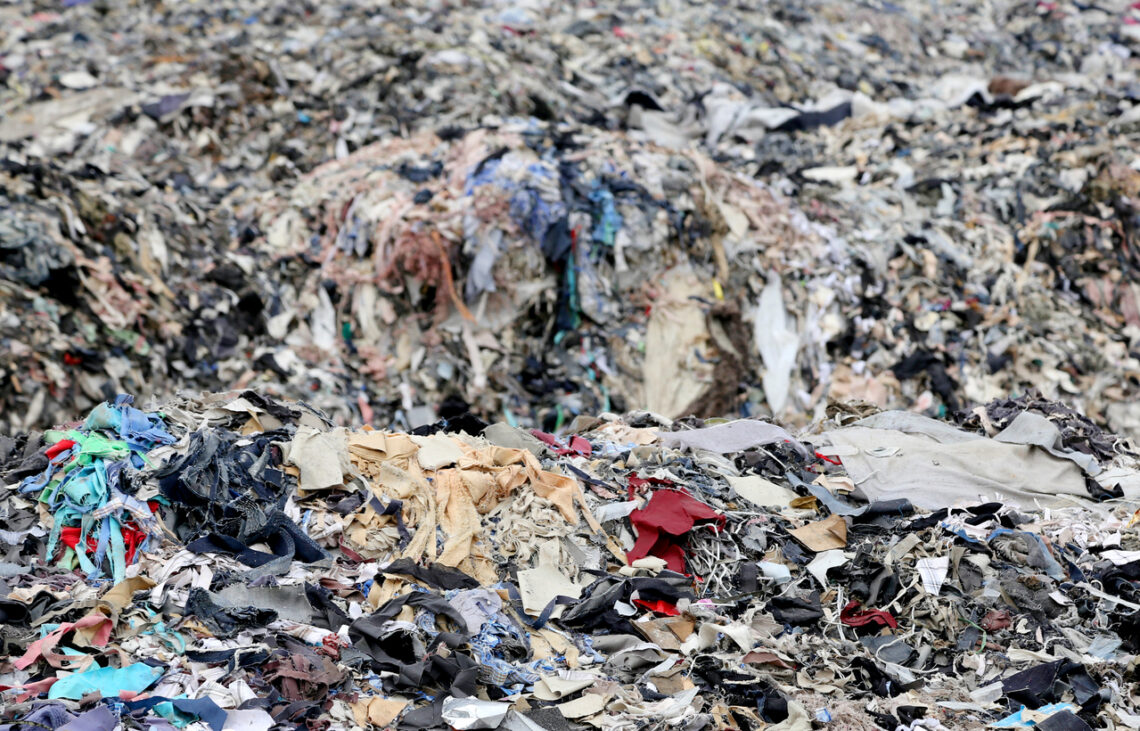
Happy Earth Month! This is a time when people around the world come together to clean up trash, including plastic and fashion waste, and help protect the environment. We often hear about plastic pollution and food waste, but what about fashion? Believe it or not, the fashion industry is a huge polluter. And Fast fashion is the worst of all. The Shocking Truth About Fast Fashion Every year, manufacturers produce over 100 BILLION pieces of low-cost clothing. Many of these clothes contain harmful chemicals and harm the environment. The Environmental Cost of Fast Fashion Fast fashion is a major problem for our planet. Here’s how: It’s a carbon monster – the…
-
Plastic Everywhere: Microplastics Are Harming Birds–And Us
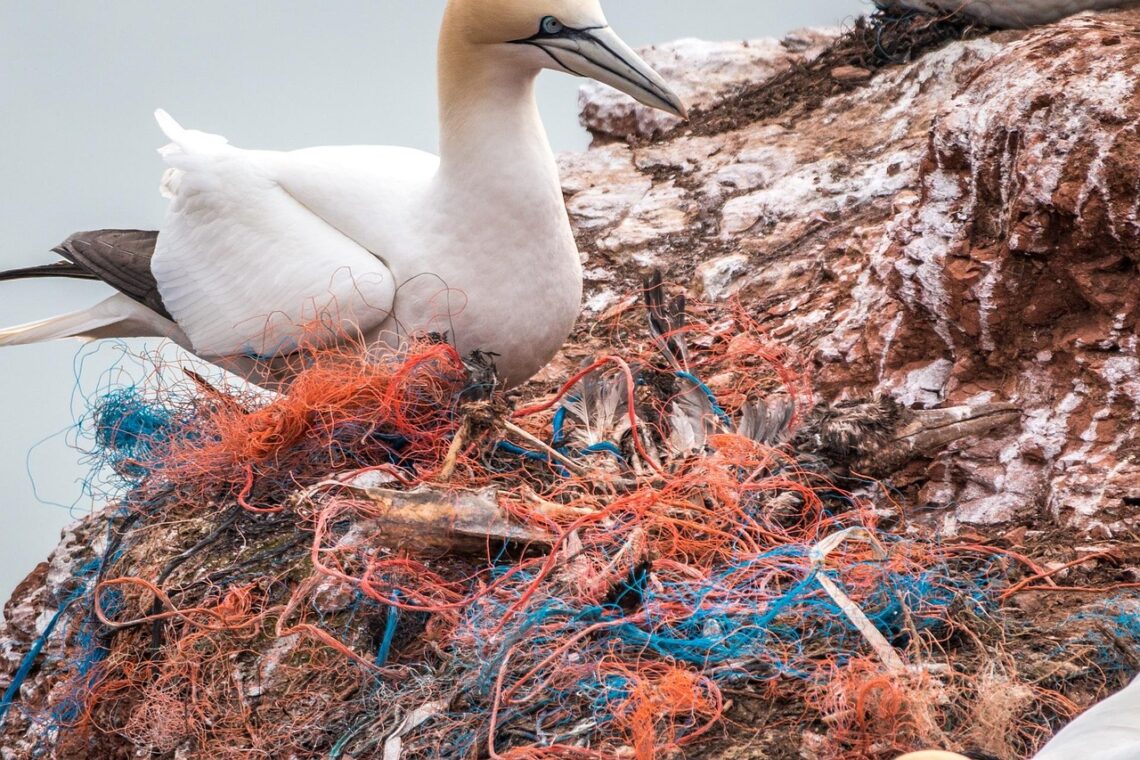
Introduction Did you know that every piece of plastic ever made still exists somewhere on Earth? Unlike food or paper—it just breaks down into tinier and tinier pieces (microplastics). That means every plastic bag, bottle, plastic cup, or straw ever created is still out there, whether it’s in a landfill, the ocean, or even tiny pieces floating in the air. Now we’ve learned that microplastics are harming birds–and us! In just the first ten years of the 2000s, people made more plastic than in all of history before the year 2000. Now, scientists estimate that there are between 15 and 51 trillion pieces of plastic floating in the ocean—that’s more…
-
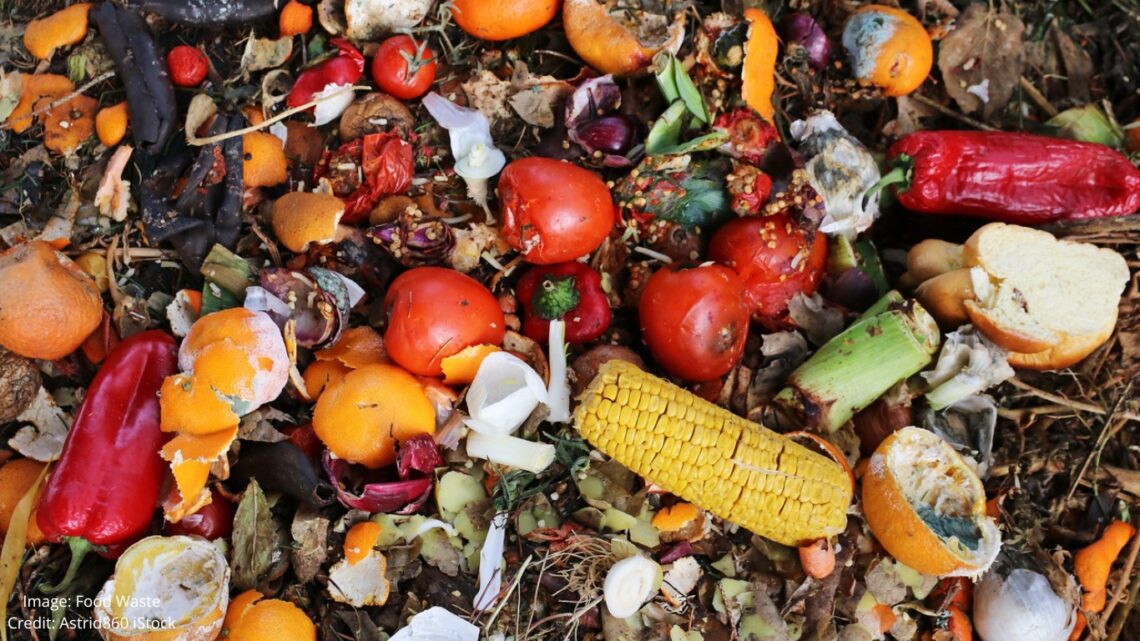
Food Waste: The Big Problem Hiding in Your Trash!
Have you ever thrown away food at home—maybe an apple with a bruise or leftovers you didn’t feel like eating? If so, you’re not alone! I’ve done it, too! People all over the world waste tons of food every single day. But did you know that food waste is a big problem for our planet? Let’s dive into what food waste is, why it matters, and how we can help fix it! What is Food Waste? Food waste occurs when people throw away perfectly good food instead of eating it. This waste happens at home, in restaurants, at grocery stores, and even on farms. Some common reasons food gets wasted…
-
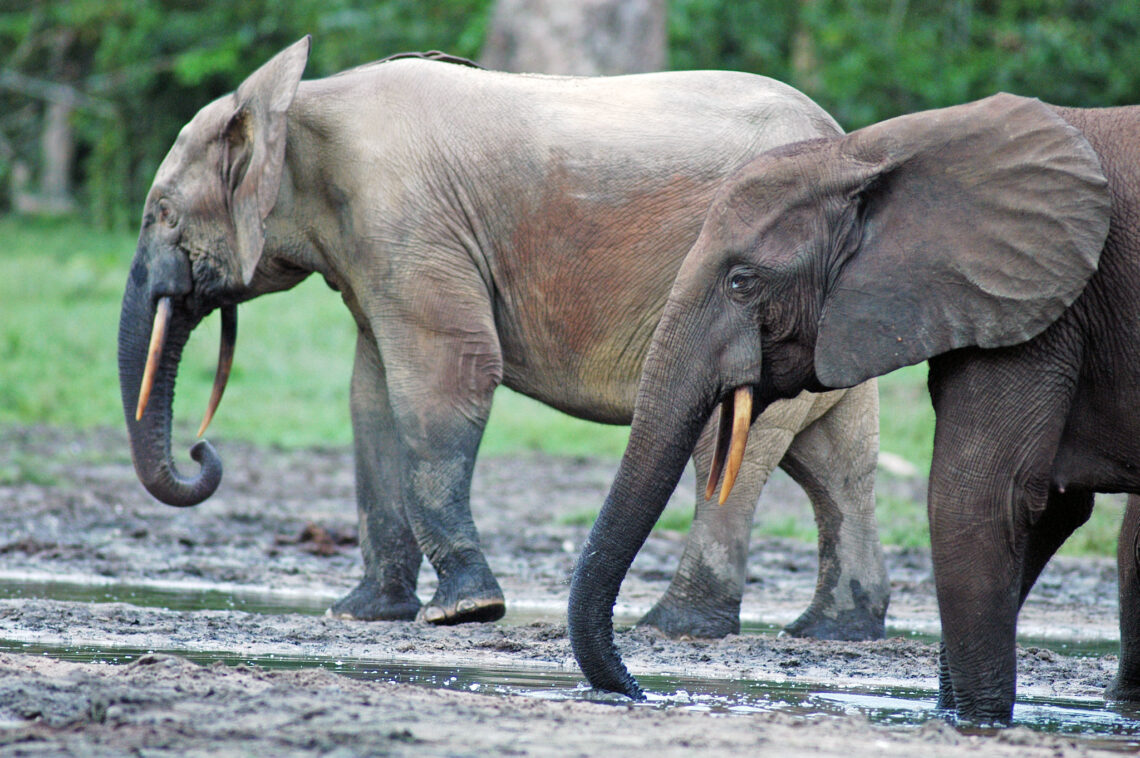
Vanishing Giants: Can We Save Africa’s Forest Elephants?
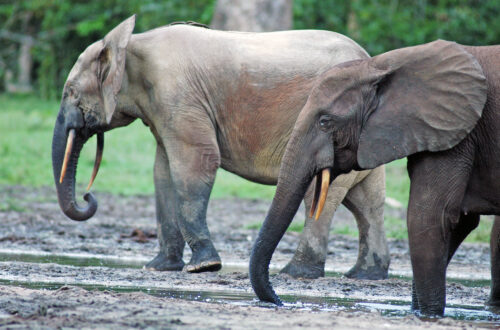
By Holly Shaftel, contributing writer Deep in the dense rainforests of Central and West Africa, a quiet giant roams — smaller than its savanna cousin, but just as vital to its ecosystem. The African forest elephant, a master gardener of the jungle, spreads seeds and shapes the land with every step. Yet, despite its importance, this elusive creature is critically endangered, facing threats from poaching and habitat loss. Tracking these secretive creatures isn’t easy. Unlike other animals with special markings that make them easy to recognize, forest elephants are great at staying out of sight. Instead of relying on direct sightings, scientists turn to an unusual method — counting poop.…
-
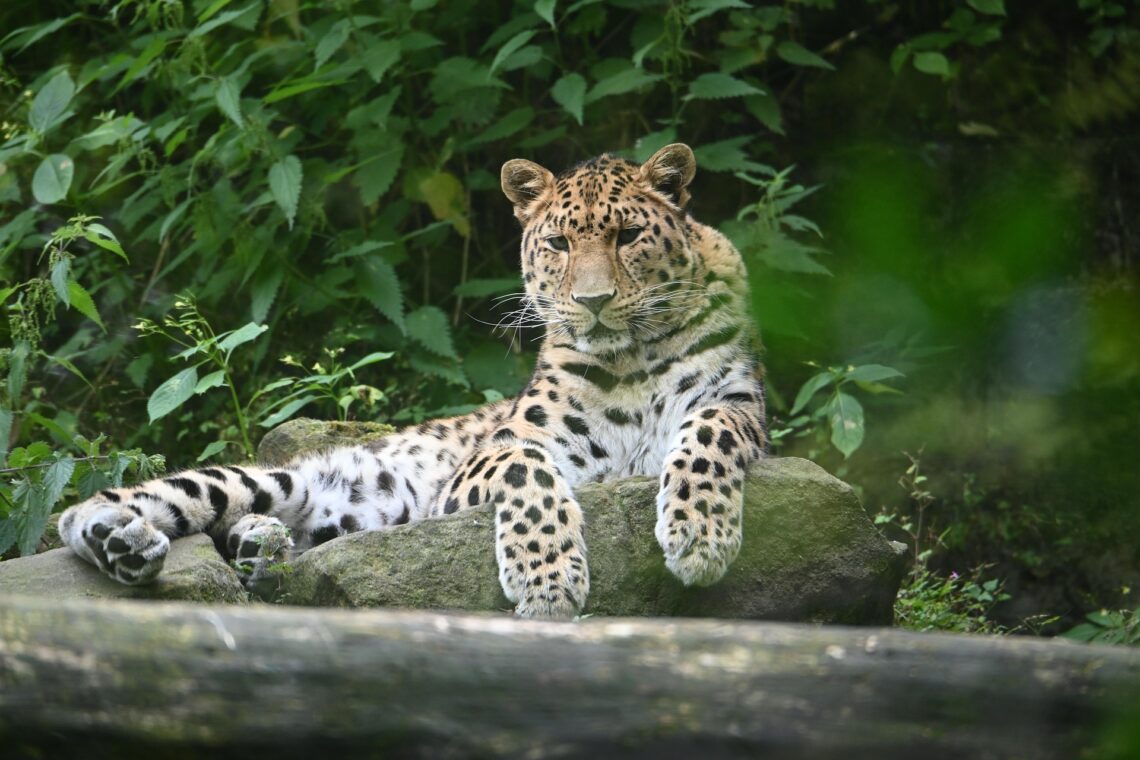
World’s Rarest Big Cat: Critically Endangered Amur Leopard
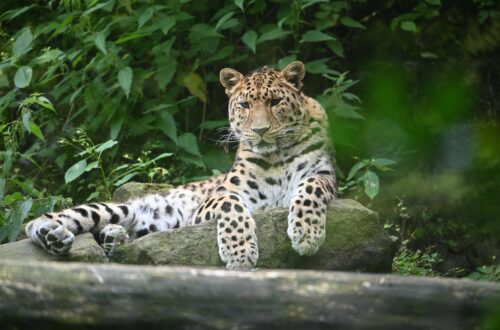
Deep in the snowy forests of Russia and China, a secretive cat moves like a ghost. This is the Amur leopard (Panthera pardus orientalis), the rarest big cat on Earth. Sadly, only less than 60 remain in the wild, putting them at risk of extinction. Amur leopards are a “critically endangered”, which means they are in serious danger of disappearing from the wild forever. These sleek, spotted predators weigh 70 to 105 pounds and are built for survival. They can sprint up to 37 miles per hour, leap 10 feet high and 20 feet across, and silently stalk prey in the dense forest. As solitary and nocturnal hunters, they rely…
-
Bottled Water or Tap Water: Which One Would You Choose?
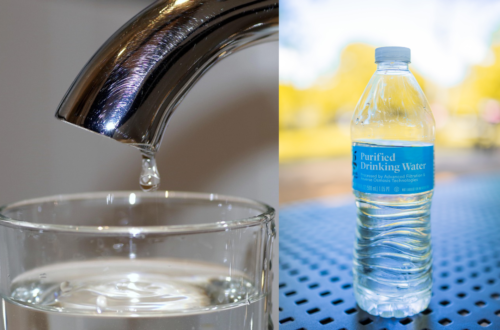
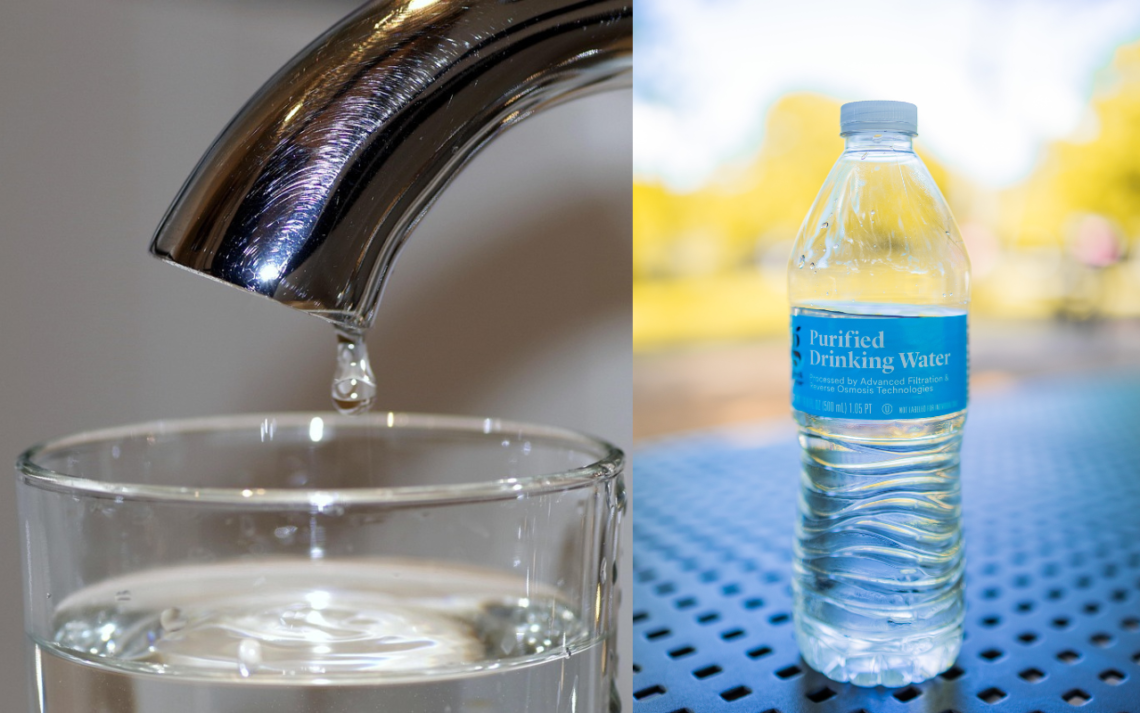
Every living thing needs water to survive! Water is super important for staying healthy, but should you drink bottled water or tap water? The answer depends on things like cost, health, convenience, and the environment. Let’s break it down! Which One Costs More? If you want to save money, the choice between bottled water or tap water is clear. Tap water is the better choice. In the U.S., tap water costs less than a penny per gallon, while bottled water can be hundreds or even thousands of times more expensive. If you buy bottled water often, the cost adds up fast! Instead, using a reusable water bottle and a home…
-
How Farming Fuels Forest Loss: The Agriculture-Deforestation Link
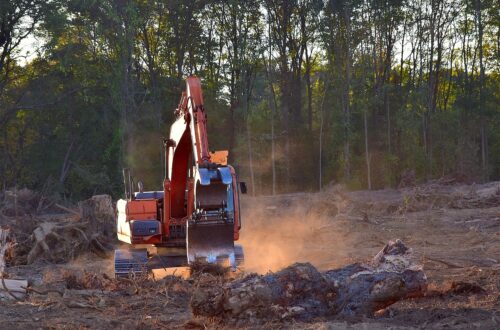
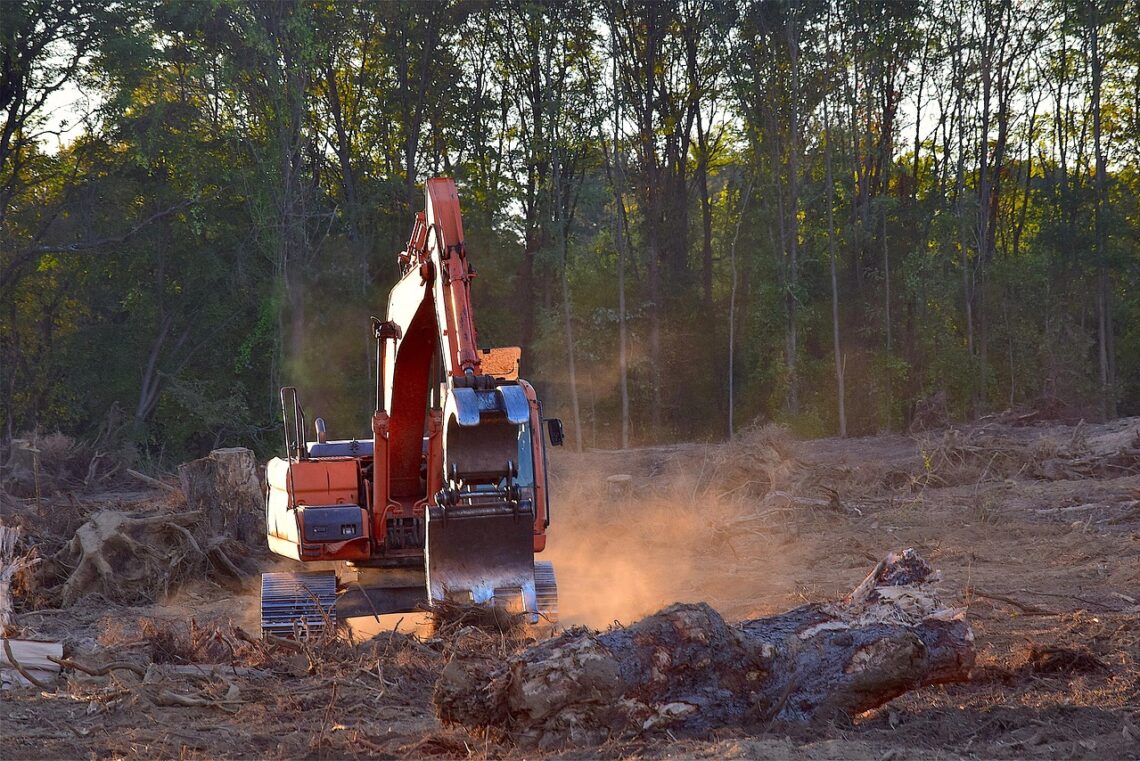
Forests are home to amazing animals, provide us with fresh air, and are vital to keeping our planet healthy. So why are humans cutting them down at such an alarming rate? The main reason is agriculture—growing food and raising animals. Uncover the truth about deforestation and its biggest cause: agriculture. Learn how it affects our planet and what we can do to prevent it. What is Deforestation? Deforestation means clearing forests to use the land for something else. People cut down trees to make space for farms, ranches, and plantations. Sometimes, forests are also cleared to build roads or cities, but agriculture is the biggest culprit. How Agriculture Leads to…
-
From Sewer Sludge to Forever Chemicals: A Sticky Health Mystery
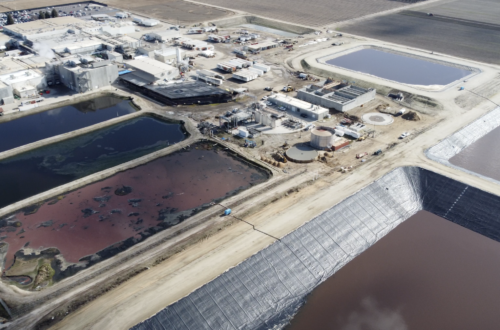
Sewer sludge, a leftover material from cleaning wastewater, might expose farmers and people living nearby to toxic chemicals known as “forever chemicals,” according to a report by the U.S. Environmental Protection Agency (EPA). Where is Sewer Sludge Used? Farmers sometimes fertilize their fields with sewer sludge. This sludge can hold high levels of harmful chemicals called per- and polyfluoroalkyl substances (PFAS). By using this sludge year after year, farmers risk being exposed to unsafe amounts of PFAS. The EPA also warns that PFAS can end up in food products like milk or eggs. The EPA says farmers use biosolids on less than 1% of U.S. farmland, but the National Biosolids…
-
Can We Save the Vaquita, the World’s Most Endangered Marine Mammal?
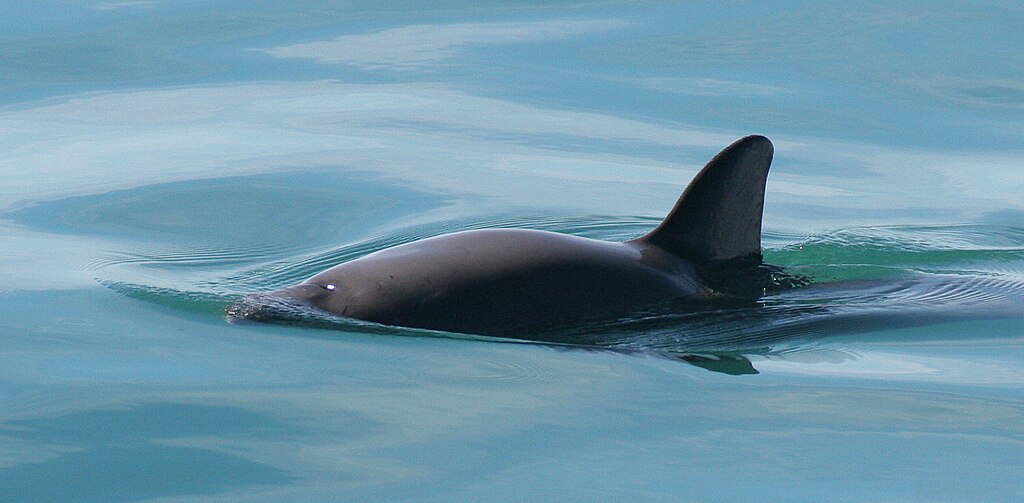
The vaquita is a very shy porpoise and the most endangered marine mammal in the world. There are only about 9 or 10 vaquitas left, and they will go extinct unless we completely stop using gillnets in their habitat. In 2023, the International Whaling Commission sent out its first-ever “extinction alert” to warn people that the vaquita was in serious danger of disappearing forever. Vaquitas live in a very small area—the northern part of the Gulf of California in Mexico. This region has lots of fish and shrimp, so fishing is a big source of income for people who live there. However, fishermen use gillnets, which means they get trapped…
-
Plastic Pollution is Ick!
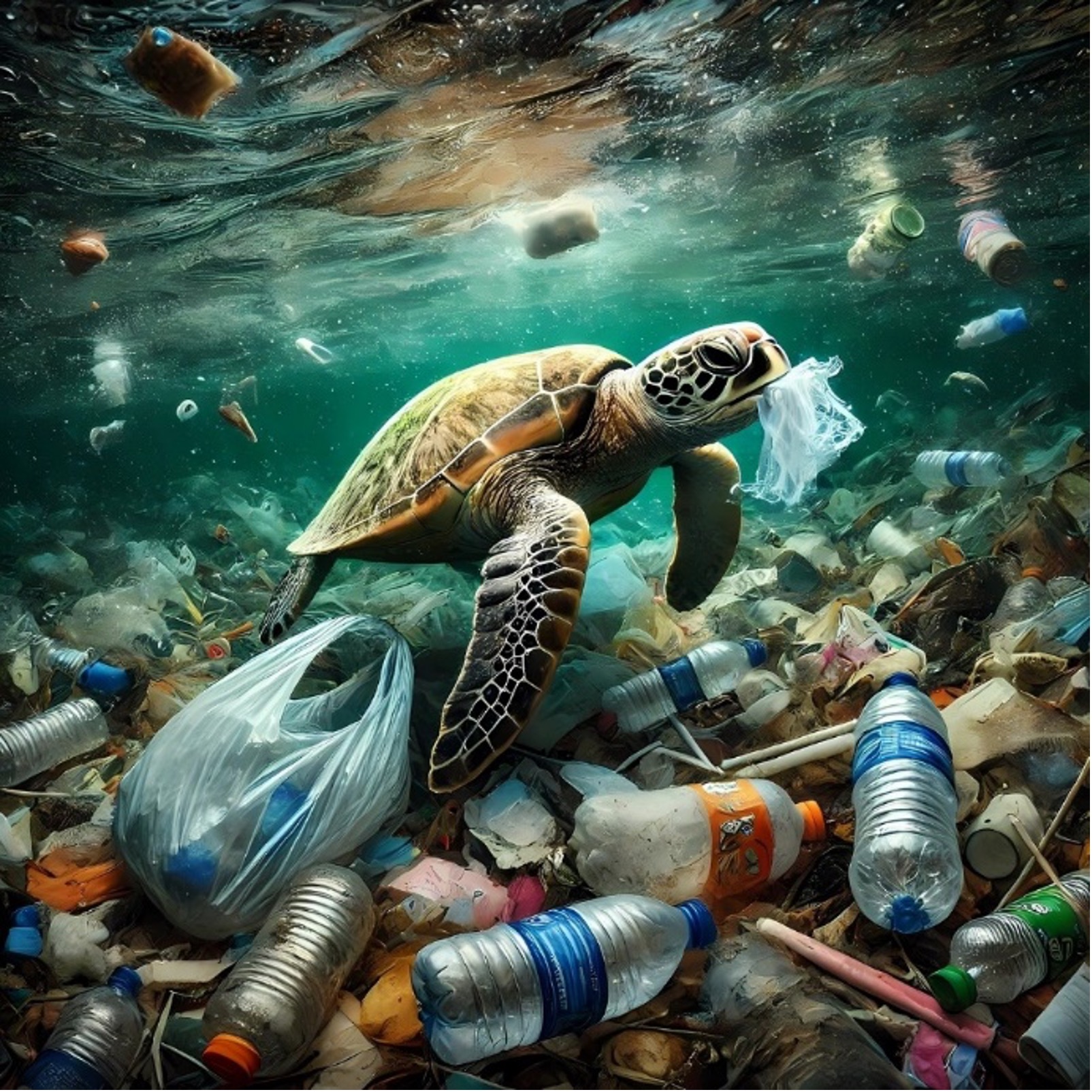
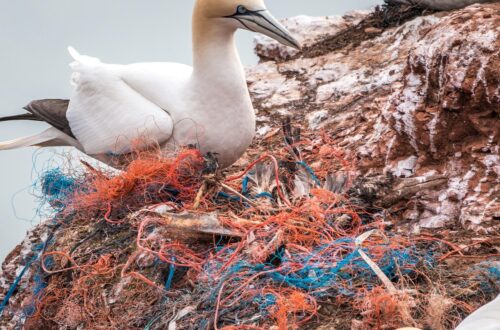
Plastic pollution is a big problem for our planet. From tiny plastic bits to large, large pieces floating in the ocean, plastic waste is everywhere—and it’s causing a lot of harm to our health, wildlife, and ecosystems. The vast majority of plastic is made from fossil fuels—crude oil, coal, and natural gas. What is Plastic Pollution? Plastic pollution happens when people don’t throw away plastic items like bottles, bags, wrappers, and straws properly, and these items end up in the environment. Unlike organic materials, plastic doesn’t break down naturally. Instead, it breaks into smaller pieces, called microplastics, which remain in the environment for hundreds or even thousands of years. How…
-
Palm Oil: The Hidden Problems Behind It
I always dreamed of seeing orangutans in the wild. I knew that they are probably the most intelligent of all the great apes because of their ability to innovate and problem-solve. However, problems with palm oil production greatly threaten their habitat. In 2007, I finally scraped together the money to travel to Borneo. Little did I know, at 53 years old, I would find my passion. My Journey Begins When I landed in Jakarta, beginning my journey to Borneo, a suffocating haze greeted me. My eyes burned, my throat grew raspy, and smoke clung to my clothing and hair. I quickly learned the cause: illegal fires, set intentionally to clear…