Understanding Science
-
Fact-checking Series No. 4: Busting Myths About Climate Change
Climate change is a big issue, and there are a lot of myths about climate change out there that can make it hard to know what’s true. Some people think it’s just a natural cycle, while others believe small actions don’t matter. These ideas can cause confusion and slow down efforts to fix the problem. In this article, we’ll break down some common myths about climate change and explain the real facts in a simple way, so everyone can tell what’s true and what’s not. Scientists predicted global cooling in the 70s I see this myth about climate change on social media almost every day. It’s actually a myth that…
-
Fact-Checking Series No. 1: Uncovering the Truth About Climate
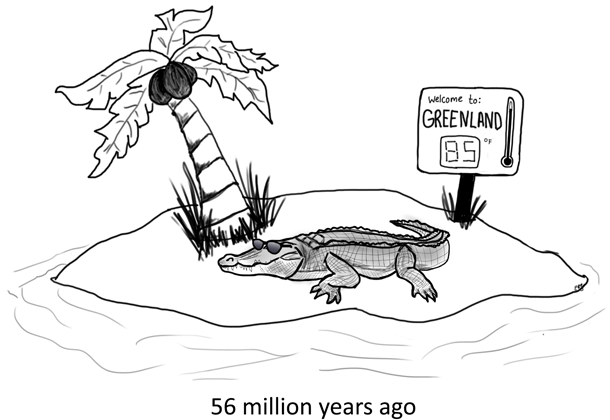
I’d love to share with you my new Fact-Checking Series, where I will focus on uncovering the truth about climate and clarifying misunderstandings. I’ll be addressing the usual claims from people who don’t believe that Earth’s climate is changing because of human activities. I’ll start with some of the most common myths I come across on social media every day. Climate’s Changed Before Climate Has Changed Before? Bingo! Who would’ve guessed? Of course, scientists are well aware of this. Uncovering the truth: while Earth’s climate has naturally warmed and cooled over the ages, the rapid warming we’re seeing today can’t be chalked up to natural causes like changes in Earth’s…
-
How are “Global Warming” and “Climate Change” Different?
Social media spreads a lot of false information about climate change. This really confuses people and slows down progress on environmental solutions. Some people post claims that deny climate change or push strange theories, like saying secret projects cause natural disasters. One common myth is that “they” changed from “global warming” to “climate change”. This is false. “Global warming” means the Earth’s temperatures are getting higher. This is because more greenhouse gases, like carbon dioxide, are building up in the atmosphere. “Climate change” includes global warming but also covers other big changes happening to our planet, like sea levels going up, glaciers and ice sheets getting smaller. Other major changes…
-
Fact-checking Series No. 2: Uncovering the Truth About Climate
Welcome back to my Fact-Checking Series! In this episode, we’re digging into some of the biggest myths about climate change. You’ve probably heard people say things like, ‘The climate has always changed,’ or ‘Humans can’t really make a difference.’ Well, today we’re going to break those myths apart and show you what the science really says—clear, simple, and straight to the point. Changes in Earth’s Magnetic Field Are Causing Global Warming Some people say Earth’s magnetic field is causing climate change. Sounds mysterious, right? But here’s the truth: the magnetic field’s main job is protecting us from harmful solar radiation—it doesn’t control Earth’s temperature. Scientists have dug deep into this…
-
What’s the Difference Between Weather and Climate?
You’re not alone if you don’t know the difference between the two. It’s a very common question! Weather and climate are related, but they are not the same thing. Weather is what’s happening outside right now or over a short period, like a day or a week. It includes things like temperature, rain, wind, or snow. Is it sunny or cloudy out today? That’s also weather. Climate, on the other hand, is the average weather in a place over a long time, usually 30 years or more. For example, it might rain a lot in one week (that’s weather), but if an area usually gets lots of rain year after…