Chapter 4 Secrets in the Hills: My Journey into the Santa Susana Field Laboratory
After a string of interviews — including group panels — I joined the the California Department of Toxic Substances Control (DTSC) in 2007. I made great friends and learned a ton, especially about how disinformation (people deliberately spreading false information) can shape public opinion. I also learned about endangered orangutans, which only deepened my commitment to protecting wildlife and wild places.
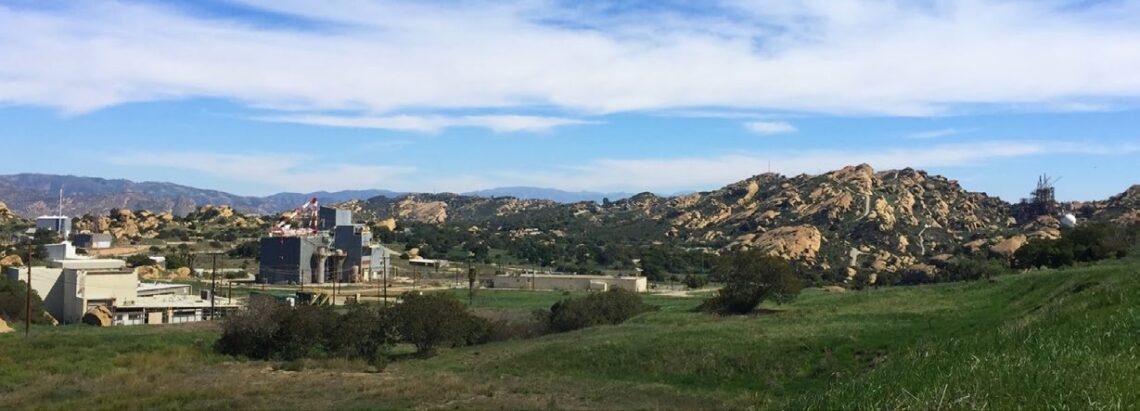
My title was Public Outreach Specialist: I translated complex environmental issues into clear, accessible information for the public. One of my main assignments was the Santa Susana Field Laboratory (SSFL), a sprawling site between Ventura and Los Angeles counties. At first I thought, “No big deal.” I was wrong.
What is the Santa Susana Field Laboratory (SSFL)?
The Santa Susana Field Laboratory SSFL is roughly 2,850 acres in Simi Valley that was used for rocket testing and nuclear research. The land is split between Boeing and the federal government; the government-controlled portions were managed by NASA and leased to the Department of Energy (DOE). Decades of industrial activity left the site contaminated with:
- Toxic solvents (like trichloroethylene)
- Heavy metals
- Petroleum hydrocarbons
- Radionuclides from nuclear work
Clearly, SSFL needed a major cleanup. Simple in theory — complicated in practice.
Disinformation Made Things Worse
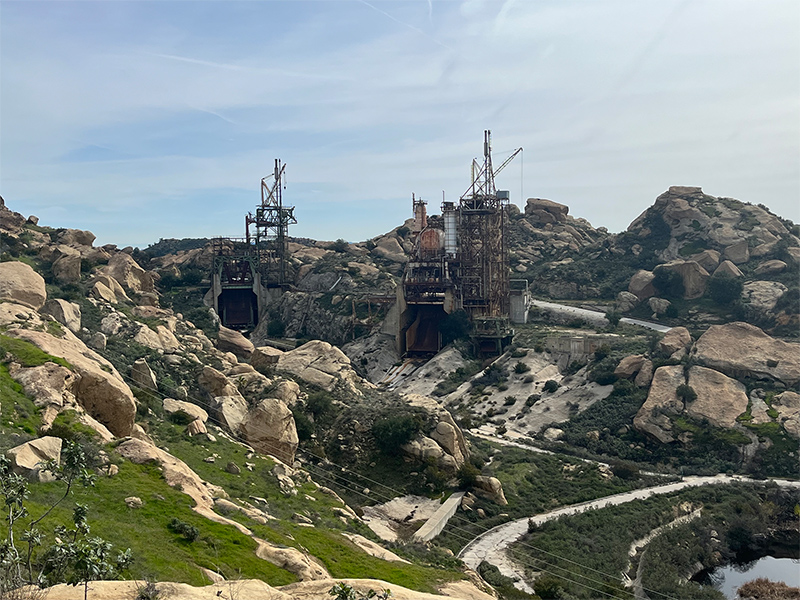
I’m passionate about our planet and cleaning up toxic sites, and I worked closely with colleagues from Boeing, NASA, and the DOE who genuinely wanted to fix the problem. But the cleanup became mired in fear and falsehoods. Some community members were told the SSFL incidents were far worse than Three Mile Island, or that every local cancer was caused by a partial meltdown in 1959. Those claims weren’t supported by the facts, but they spread quickly.
The fallout: lawsuits, political pressure, and new laws that demanded cleanup standards so extreme they threatened the local habitat—standards far stricter than those used elsewhere in California. What should have been a technical, public‑health effort became a legal and social storm.
Why That’s a Problem
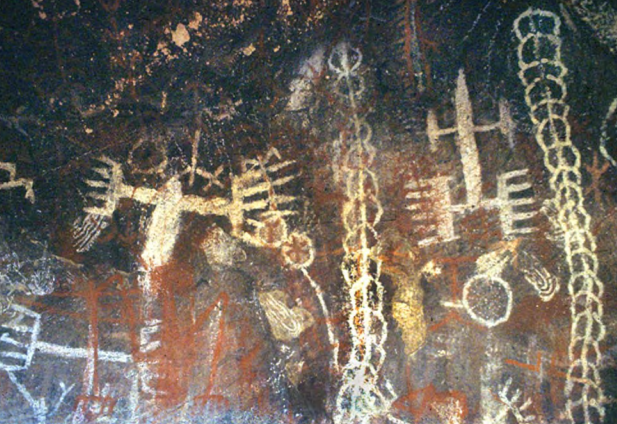
Cleanup matters — but overly rigid rules can produce unintended harm. SSFL sits inside a crucial wildlife corridor used by mountain lions, bobcats, deer, and even bears. Over 135 bird species pass through. The area is also ancestral land to the Chumash, Tongva, and Tataviam peoples and contains sacred sites and ancient rock art. Heavy-handed cleanup methods risked damaging sensitive habitats and cultural resources even as they aimed to protect public health.
What I learned
Working at DTSC taught me how powerful disinformation can be — it can mislead even well-meaning people and derail good-faith efforts. It also showed how difficult it is to balance protecting human health with preserving ecosystems and cultural heritage.
The hardest moment for me was when I was asked to “tow the party line” — to go along with approaches I believed were wrong. I couldn’t do it. I left DTSC rather than compromise my values. No regrets: standing up for what’s right matters.
Want to catch up on the parts of my journey you missed? Click here to jump in!