
Beneath the Surface: Hidden Risks of a Warmer World
We’re used to hearing about floods and wildfires, but there’s a great deal of climate change happening beneath the surface. You’ve likely heard about ocean acidification and coral bleaching, but there’s so much more we just can’t see.
On a small research boat in Chesapeake Bay, a scientist collected water to study tiny living things called microbes. All around, people were enjoying the beach, unaware that dangerous bacteria called Vibrio were hiding in the water. Vibrio live naturally in oceans and rivers. Some types are harmless and even help the environment by recycling nutrients. But others can make people very sick—with symptoms like stomach cramps, diarrhea, or in rare cases, life-threatening skin infections that eat away at flesh. Their spread is one of those hidden risks of climate change–the kind you can’t see.
These bacteria love warm water, so they mostly lived in the hot waters of the U.S. Gulf Coast. But because of climate change, the ocean is getting warmer, and Vibrio are spreading farther north—to places like the East Coast, Alaska, and even parts of Europe. Storms and heavy rains also help them grow by changing the salt levels and adding extra nutrients to the water.
Hidden Risks–Climate Change Is Fueling a Bacterial Boom
Vibrio bacteria are naturally found in coastal and slightly salty waters. They grow best in warm temperatures. Because climate change is heating up the ocean, these bacteria now have even better conditions to grow and multiply. As the water warms, Vibrio levels can rise in both seafood and ocean water. Warmer seas also allow Vibrio to spread into new areas, which means more people could be at risk of getting sick from these bacteria.
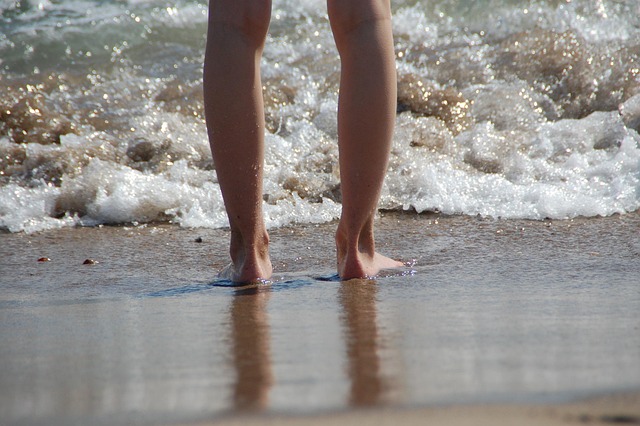
So far in 2025, eleven people in Florida have gotten sick from Vibrio vulnificus. Sadly, four of them have died, according to the Florida Department of Health.
Extreme Weather Can Spread Dangerous Ocean Bacteria
Climate change is causing more extreme weather, like stronger hurricanes and bigger storms. These events can push salty ocean water onto land, where it mixes with freshwater and creates brackish water—perfect for Vibrio bacteria to grow.
Heavy rain and flooding can also wash more Vibrio into beaches and rivers where people swim, and even into seafood we eat. After Hurricane Ian hit Florida in 2022, doctors saw a big jump in Vibrio infections. Scientists say this kind of risk is likely to grow as storms get worse with climate change. In 2024, Hurricane Helene caused more than half of the 83 Vibrio infections reported in Florida. This is a hidden risk we can’t see with our eyes.
“These infections show that deaths caused by hurricanes may be much higher than we think—and Vibrio vulnificus is becoming a bigger threat because of climate change,” warned Professor John Drake in Forbes magazine.
A study in the journal Scientific Reports found that Vibrio infections from wounds increased eight times between 1988 and 2018. If pollution and global warming keep rising, experts say that by 2081, Vibrio could affect every state along the East Coast.
In late June, officials closed some beaches in Illinois, New York, and Washington because there was too much harmful bacteria in the water. Officials in Massachusetts shut down almost 20 beaches to keep people safe, since swimming there could make people sick.
While we often focus on heatwaves, storms, and floods–things we can see–many dangers of climate change are hidden. Warming oceans fuel stronger hurricanes. Thawing permafrost releases powerful greenhouse gases. Turbulence is getting worse. Clouds are disappearing. Even tiny changes in temperature can disrupt food webs, spread disease, and drive species to extinction. These invisible threats may not make headlines—but they’re just as real, and just as urgent.


You May Also Like

The Hidden Climate Impact of Bottom Trawling

The AMOC Slowdown: A Warning Sign From the Atlantic
