

Hurricane Erin: A Supercharged Storm Fueled by Climate Change
In August, Hurricane Erin tore across the Atlantic Ocean with winds blasting over 160 miles per hour on August 16. Erin didn’t make landfall, but its effects—big waves, riptides, and rough weather—slammed coastal communities. This created dangerous conditions stretching over 1,000 miles of the East Coast. And here’s the kicker: climate change is making those effects worse.
Supercharged: Hurricane Erin’s Shocking Rapid Intensification
Erin exploded from a Category 1 storm to a monster Category 5 in less than a day—one of the fastest growth spurts ever recorded. Scientists say this kind of rapid jump is happening more often as our planet heats up. Jim Kossin, a former hurricane expert at NOAA, put it simply: “These rapid intensification events are tied directly to human-caused warming.”
So, what does “rapid intensification” mean? Basically, it’s when a hurricane’s wind speed jumps by at least 35 miles per hour in just 24 hours. Erin’s winds didn’t just meet that bar—they skyrocketed by nearly 85 mph, topping out at 161 mph.
Think of a hurricane like a car engine—it needs fuel to run. For hurricanes, that fuel is the warm water at the ocean’s surface. As oceans heat up from our greenhouse gas emissions, storms get more fuel, so they grow faster and stronger. In fact, Climate Central found that human-caused climate change cranked up the odds of the hot ocean where Erin formed—making it about 90 times more likely.
More Heat, More Rain
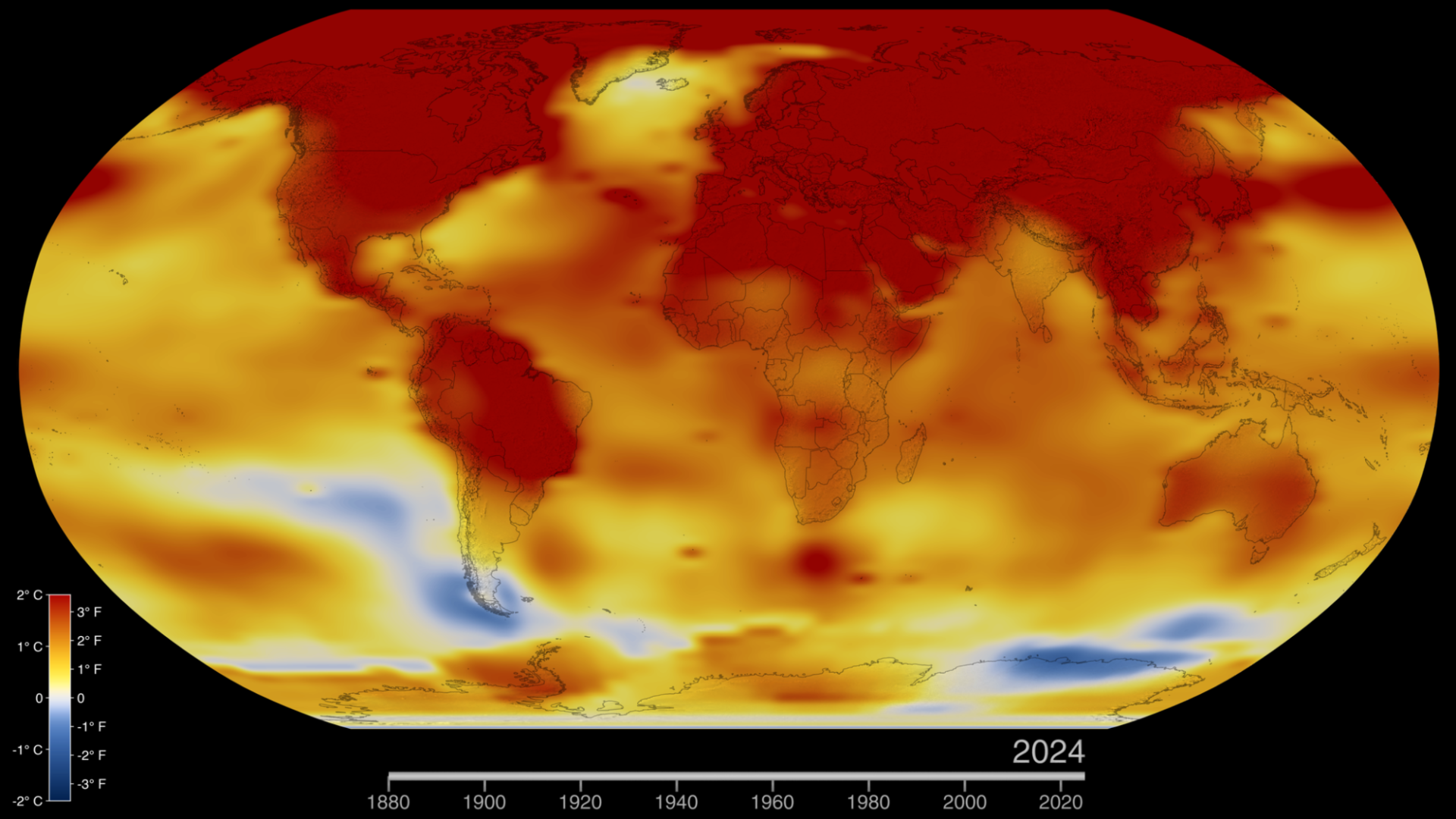
It’s not just the winds we need to worry about. Recent studies* show that climate change is also making hurricanes produce record-breaking rainfall. Here’s why: warmer oceans are speeding up the water cycle in hurricane zones. That means more water evaporates into the atmosphere, so storms have way more moisture to work with. When a hurricane finally makes landfall, all that water gets dumped as extreme rain—leading to dangerous flooding.
Warmer air can also hold more moisture, so hurricanes in hotter conditions can carry heavier rain clouds. Add rising seas from melting ice, and you’ve got the perfect recipe for flooding disasters. During Hurricane Sandy, for example, floodwaters were four inches higher than they would have been without sea level rise—enough to flood buildings that might have otherwise stayed dry.
Lessons From Past Storms
Other storms in recent years show just how dangerous hurricane rainfall can be. In 2017, Hurricane Harvey became the wettest storm in U.S. history, dumping more than 60 inches of rain in parts of Texas. A year later, Hurricane Florence drenched North Carolina with over 35 inches of rain, breaking records and flooding rivers that had already reached record highs during Hurricane Matthew just two years earlier.
Scientists have studied these events and found that hurricanes now make up about a quarter of the most extreme rainfall events in U.S. history—and they’re happening more often. Climate models show that a storm like Harvey, which used to be considered a “once in 100 years” event, could happen as often as once every 5 or 6 years by the end of this century because of climate change.
Super-Sized Storms
Erin even grew a second “eyewall,” which is the thick ring of clouds around the storm’s center. When hurricanes go through this kind of cycle, they get even bigger—Erin stretched more than 500 miles across, wide enough to cover all of New England.
The bottom line? As oceans keep warming, we can expect more fast-strengthening storms like Erin, with stronger winds, heavier rainfall, and more flooding. And while Erin didn’t slam directly into land, the waves and rain it stirred up packed a serious punch.
What We Can Do
Every action we take to cut greenhouse gases can help slow down the warming and reduce the strength of future storms. Here are a few things you can do:
- Save energy at home: Turn off lights when you’re not using them, unplug chargers, and try to use less air conditioning. Small steps add up.
- Use clean transportation: Walk, bike, carpool, or use public transit when you can.
- Speak up: Talk to your family, teachers, and friends about climate change. Share what you learn.
- Support clean energy: Solar, wind, and other renewable sources can replace fossil fuels that cause global warming.
- Contact your elected officials: Let them know you care about climate change. Ask them to support policies that speed up the transition to renewable energy.
- Be prepared: If you live near the coast, know your family’s safety plan for hurricanes or floods.
Climate change is a big challenge, but by acting together, we can protect our communities—and make a safer world for future generations. Our children and grandchildren are counting on us!
Resources:
Observed Changes in Extreme Precipitation Associated with U.S. Tropical Cyclones
If you like this article, you will love these, too!


