

No, LA Didn’t Run Out of Water During the Fires
Fact-check
It’s been almost eight months since wildfires tore through Los Angeles County, but the wild rumors just won’t quit. Some people say “LA ran out of water.” Others claim “California didn’t take care of its forests.” Then there are the over-the-top ones—like fires being part of a plot by “global elites” to clear land, or a tiny fish called a smelt being the cause. And my favorite? That Governor “Newscum” (yep, that’s the nickname floating around online) refused to sign a “magic” water plan that supposedly would have sent endless gallons south every day. Sounds like a comic book, right?
But here’s the real question: why do these conspiracy theories spread like wildfire (pun intended) on social media? And why is it so hard to fight them with facts? Simple—because conspiracy theories are easy to understand. One of the most common climate myths is: “It’s just a natural cycle.” Short. Catchy. Feels right. Except it’s not true. Modern climate change is happening about 10 times faster than natural cycles, solar radiation isn’t going up, the stratosphere is cooling, and Earth’s energy imbalance is rising. Each one of those facts takes time to explain—and people’s eyes can glaze over.
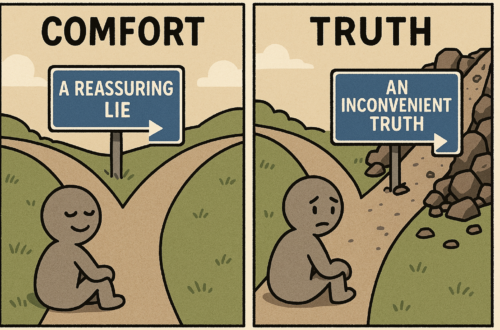
That’s the problem: simple stories beat complicated truths. Saying “LA ran out of water” is quick and easy. Explaining that the real issue was water pressure, not water supply, takes more work—and a little patience to understand.
So, Was There Enough Water?

Yes! Los Angeles had plenty of water stored—probably more than at almost any other time in recent years. The problem wasn’t the amount of water. It’s that the existing water system wasn’t built for massive wildfires. Even if reservoirs were full and hydrants worked perfectly, they still wouldn’t be able to stop fires this big on their own.
Why Did Hydrants Fail?
During the Palisades and Eaton fires, some hydrants actually ran out of water. Why? Because people were using water at four times the normal rate—for 15 hours straight, according to Janisse Quiñones, the engineer in charge. The system just wasn’t built for that. It was designed to handle regular house fires, not massive wildfires tearing across whole neighborhoods.
In my old neighborhood of Altadena, it got even worse. Power outages and damaged pipes kept water from reaching some of the most important hydrants right when they were needed most.
Some internet posts claim that water was being saved for wealthy farmers—or that there were bans on pumping water—or even more out-there ideas, like elites planning “open-air prisons” are false. Experts say those stories are distractions that take attention away from real problems: infrastructure and wildfire safety.
Why Weren’t Helicopters or Planes Fighting the Fires?

Hurricane-strength winds made the fires even worse. The Santa Ana winds were so strong in the first few days that planes and helicopters couldn’t even fly to drop water on the flames. Normally, moisture from fall rains keeps plants and vegetation from burning easily. But in 2025, the region had been very dry for months, creating a setup for a “perfect storm.” Add in the strong winds, and the fires spread quickly
What Can Be Done in the Future to Help the Situation?
Experts agree that no city—even Los Angeles—was designed to fight wildfires this huge using just its water systems. To be ready for the future, cities will need stronger water systems, smarter ways to manage dry plants that fuel fires, and better protection for homes. But here’s the catch: all of that will cost a lot of money.
What Can You Do If You Live in a High Fire Area
I live in a high fire-risk area, and I’ll be the first to admit—I’m still working through the long list of things I can do to protect my home. But here’s what I’ve learned: protecting your home from wildfire doesn’t have to happen all at once. Every step you take, even small ones, makes a difference. Moving firewood away from the house, trimming back shrubs, or cleaning the roof—each layer adds protection.
Here are some ideas you can chip away at one step at a time:

Checking facts is important because it helps us separate truth from rumors. In today’s world, information spreads fast—sometimes faster than the truth. If we don’t stop to check facts, we might believe or share something that’s false. That can cause confusion, spread fear, or even harm people. Fact-checking gives us the power to make good decisions, stand up to misinformation, and help others do the same. This section of my website is a constant work in progress!


You May Also Like
“An Inconvenient Truth”: More Right Than We Knew

How Reliable Are Satellite Temperature Measurements?