Roadless Rule: Forests On The Chopping Block
On August 18, 2026, the Trump administration made a big announcement. It wants to get rid of a rule called the Roadless Rule. This rule has protected about 45 million acres of national forest for 25 years — that’s almost a third of all the national forest land in the country. If the rule goes away, companies could build roads and cut down trees in forests that have stayed wild for decades.
This might sound like a small change in government policy. It’s actually one of the biggest decisions about nature and public land in U.S. history.
What Is the Roadless Rule?
Back in 2001, the U.S. government made a rule that said: no new roads and no big logging projects in certain wild parts of national forests. People could still hike, camp, fish, and hunt there. The rule just stopped companies from building roads and cutting down large numbers of trees.
Before the rule was made final, the government spent 18 months listening to the public. Almost 2 million people sent in comments. Courts have also reviewed the rule many times over the years — including the Supreme Court — and it has stayed in place every time. Today, most Americans still support it. Recent polls show about 3 out of 4 voters want to keep the Roadless Rule, and that includes people from both political parties.
Why These Forests Matter
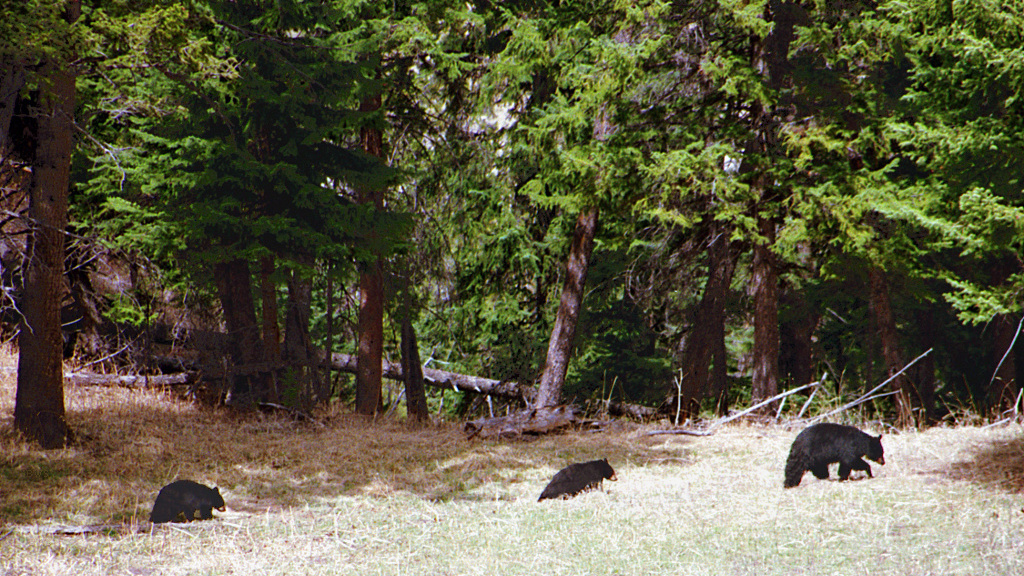
Animals need this land to survive. Wild, road-free forests give animals a safe place to live without being disturbed by traffic, noise, and construction. Grizzly bears, wolverines, lynx, and owls all depend on this kind of habitat. About 1 out of every 4 endangered animal species in the U.S. lives in these roadless areas.
These forests keep our water clean. National forests supply drinking water to about 180 million Americans — more than half the country. Roadless areas alone contain hundreds of watersheds that cities depend on. When roads get built, dirt and pollution wash into streams and rivers more easily, making the water dirtier.
Roads don’t actually stop wildfires — they can make things worse. The government says removing the rule will help prevent wildfires. But scientists who study this say the opposite is true. More than 30 forest researchers found that wildfires start less often in roadless areas and more often near roads. That makes sense once you know that about 80–85% of wildfires are started by people — things like cigarettes, campfires, or sparks from cars. More roads mean more people driving into the backcountry, which means more chances for a fire to start by accident.
Once a forest is developed, you can’t undo it. Building roads into a forest changes it permanently. Even if logging stops someday, the roads usually stay. The Forest Service already has 380,000 miles of roads it has to take care of, and it’s already behind on repairs by about $6.4 billion. Adding even more roads means adding to that problem, while also breaking up forest habitat that took over 100 years to stay untouched.
How Big Is This Decision?
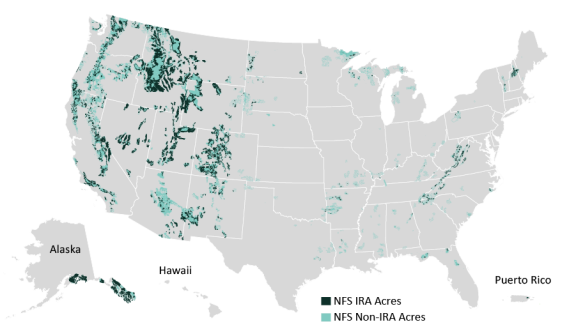
This isn’t a small local issue. It would affect forests in 37 states, including:
- 4.4 million acres in California
- Almost 6 million acres in Montana
- Nearly 10 million acres around Yellowstone National Park
- Parts of Alaska’s Tongass National Forest, one of the largest wild forests left on Earth
The government is now taking public comments on this plan until Sept. 21. Critics say that’s not nearly enough time for people to weigh in on something this big. After the comment period, officials will make a final decision that could change how almost a third of the entire national forest system is managed — possibly for a very long time, if not forever.
The Big Picture
For 25 years, the Roadless Rule has quietly protected some of the last truly wild forests in America. It has kept water clean for tens of millions of people and given endangered animals a safe place to live. The claim that cutting the rule will prevent wildfires doesn’t match what most scientists who study fire have found. Whatever happens next, these forests can’t be replaced once they’re developed — so it’s worth understanding exactly what’s at stake before that decision gets made.
If you enjoyed this story, you might be interested in: How Farming Fuels Forest Loss: The Agriculture-Deforestation Link and Palm Oil: The Hidden Problems Behind It