

The Hidden Threat to Our Power Supply: Extreme Heat
When you think about a heat wave, you probably picture sweltering afternoons, packed beaches, and air conditioners working overtime.
But here’s something you might not think about: extreme heat can threaten our power supply, too.
That’s exactly what happened in France this summer. As temperatures soared, the country temporarily shut down three nuclear reactors and reduced power at several others.
Was something wrong with the reactors?
Nope. The problem was the water used to keep them cool.
What Do Rivers Have to Do With Nuclear Power?
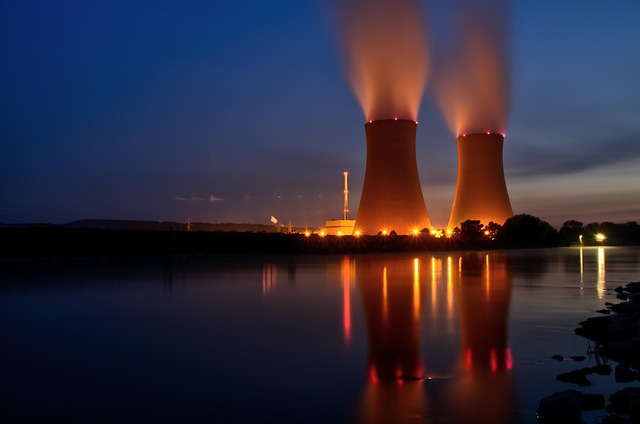
Quite a lot, actually.
Nuclear power plants produce heat, which is used to make steam. That steam spins a turbine, which generates electricity.
But once the steam has done its job, it needs to be cooled back into water. Many nuclear plants use water from nearby rivers to help with that cooling.
Here’s where extreme heat can cause trouble.
Some of that water eventually goes back into the river warmer than it was before. During normal weather, that can be carefully managed. But during a major heat wave, the river itself may already be unusually warm.
Adding more heat can make conditions tough for fish and other aquatic life. Warm water also holds less oxygen than cooler water, which can put even more stress on river ecosystems.
That’s why France has rules limiting how warm water released from power plants can be. If the river gets too hot, a nuclear plant may have to cut back its electricity production—or temporarily shut down.
And that’s what happened this summer.
France Isn’t the Only Country
France isn’t the only country dealing with this problem.
Hungary and Romania have also had to reduce power or temporarily shut down nuclear reactors during periods of extreme heat when the rivers used for cooling became too warm. Other European countries, including Switzerland, have reduced nuclear power production during hot weather as well.
This points to a bigger issue: some of our energy infrastructure was designed for a climate that wasn’t as hot as the one we’re experiencing today.
As heat waves become hotter and more frequent, power companies are going to have to adjust.
But Wait—Is This Just a Nuclear Problem?
Not at all.
In fact, one of the most interesting things about extreme heat is that it can affect almost every way we generate electricity.
Carbon Brief looked at what happens to nuclear, natural gas, wind, and solar power during heat waves. Each one responds a little differently.
Natural gas: Gas-fired power plants can become less efficient as temperatures rise. Hot air is less dense than cool air, which makes gas turbines work less efficiently. Some gas plants also need water for cooling, so hot rivers can affect them too.
Wind: Heat waves are sometimes accompanied by calm weather. No wind means less electricity from wind turbines. Of course, that’s not always the case—weather conditions vary from place to place. The good news is that offshore wind is steadier and more reliable than onshore wind.
Solar: Here’s an interesting one. Solar panels love sunshine, but they don’t actually love heat. As solar panels get hotter, they become slightly less efficient.
That doesn’t mean they stop working. Far from it. A hot, sunny summer afternoon can still be a great time for solar generation. The panels simply produce a little less electricity than they would under the same sunshine on a cooler day.
Hydropower: Long periods of hot, dry weather can reduce river flows and lower reservoirs. With less water available, hydroelectric dams, such as the Hoover Dam, may have less electricity-generating power.
So there’s no energy source that gets a free pass from extreme weather.
There’s Another Problem: We Need More Electricity When It’s Hot
Credit:Magnific
Here’s where things get tricky.
Think about what millions of people do when temperatures soar.
They turn on their air conditioners (if they have them).
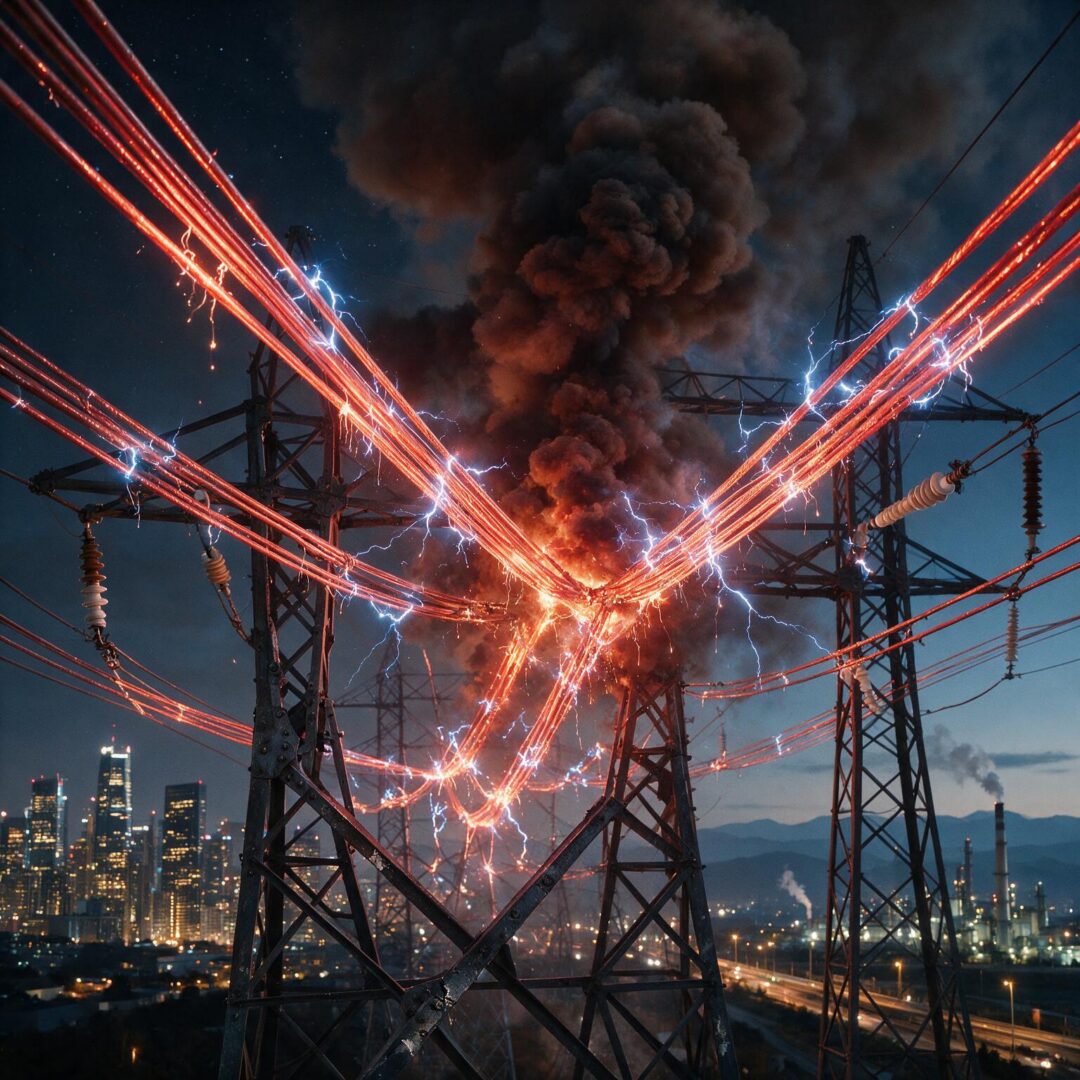
That means electricity demand can shoot up at exactly the same time that extreme heat is making it harder for some power plants to produce their usual amount of electricity.
It’s a bit like asking someone to run faster just as the temperature hits 105°F.
That combination—higher demand and lower electricity production—can put a lot of pressure on the power grid.
What Does Climate Change Have To Do With It?
One heatwave isn’t proof of climate change. But we know that human-caused climate change is making heat waves more frequent and more intense in many parts of the world.
And that creates a challenge we don’t talk about nearly enough.
Our power systems were largely designed using temperatures, rainfall patterns, river flows, and other conditions from the past. But those conditions are changing.
A river that once stayed cool enough to reliably cool a power plant may now experience more days of extreme heat. Drought can reduce water available for hydropower. Higher temperatures can reduce the efficiency of gas and solar power.
Meanwhile, people need more electricity to stay cool.
So What Do We Do?
The good news is that we aren’t stuck with the energy system we have today.
Power companies can improve cooling systems and make plants better able to handle extreme heat. Utilities can add more battery storage so electricity generated at one time can be saved for when it’s needed most.
We can also build a more diverse electric grid.
That’s important because different energy sources respond differently to weather. A day with little wind might be extremely sunny. Solar power can help fill the gap. Batteries can store extra electricity and release it later. Electricity can also be moved between regions when one area has more than it needs.
In other words, resilience comes from having options.
What It All Comes Down To
France didn’t shut down nuclear reactors because nuclear power suddenly became unsafe or stopped working.
The reactors were affected because extreme heat made the rivers they depended on for cooling too warm to meet environmental limits.
And France isn’t alone. Hungary, Romania, and other countries have faced similar problems.
But this isn’t really a story about nuclear power.
It’s a story about what happens when the climate our infrastructure was designed for starts to change.
Nuclear, natural gas, wind, solar, and hydropower can all be affected by extreme weather in different ways. At the same time, we’re going to need reliable electricity more than ever to keep homes, schools, hospitals, and businesses cool during dangerous heat waves.
That’s why preparing our electric grid for a hotter world isn’t something we can put off until later.
That hotter world is already here.