Virtual Power Plants: The Power Plant You Can’t See
Imagine if thousands of homes, businesses, and electric cars could work together like one giant power plant—without building a single smokestack or power station.
That may sound like science fiction, but it’s already happening. It’s called a Virtual Power Plant, or VPP.
What Is a Virtual Power Plant?
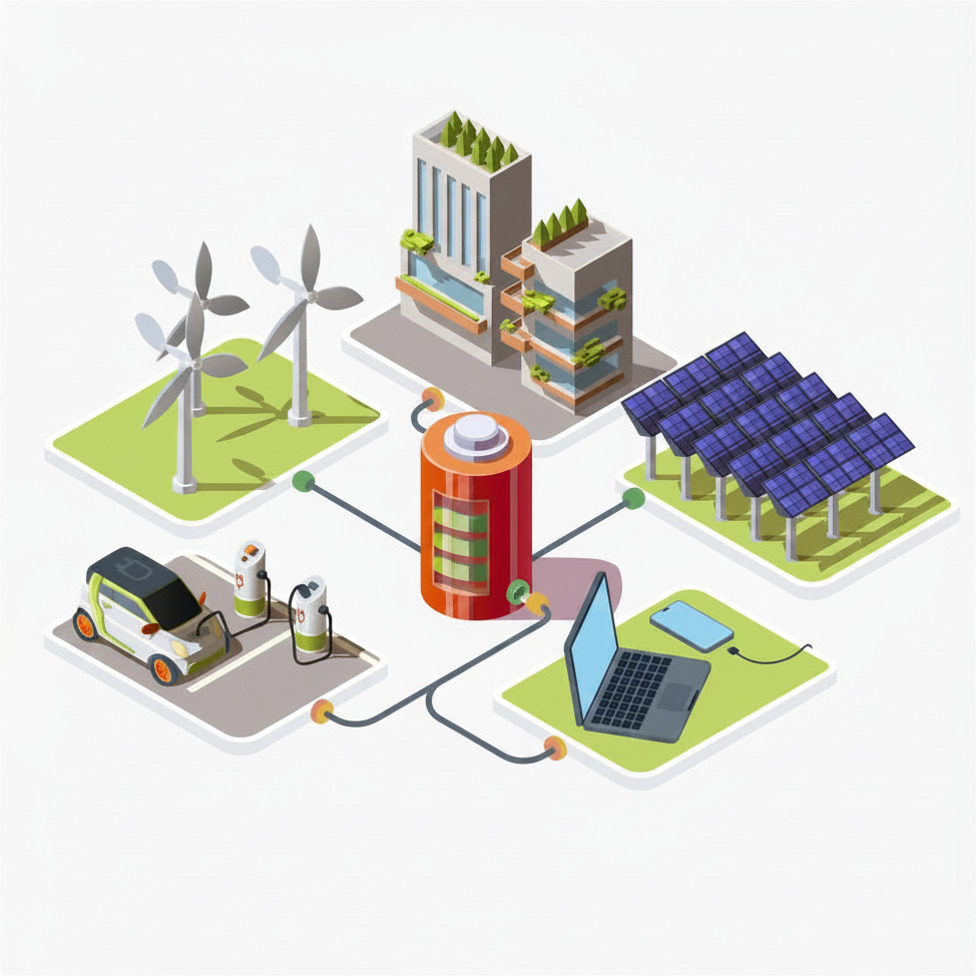
A virtual power plant isn’t a real building. Instead, it’s a network of connected energy devices that work together through computers and the internet.
These devices can include:
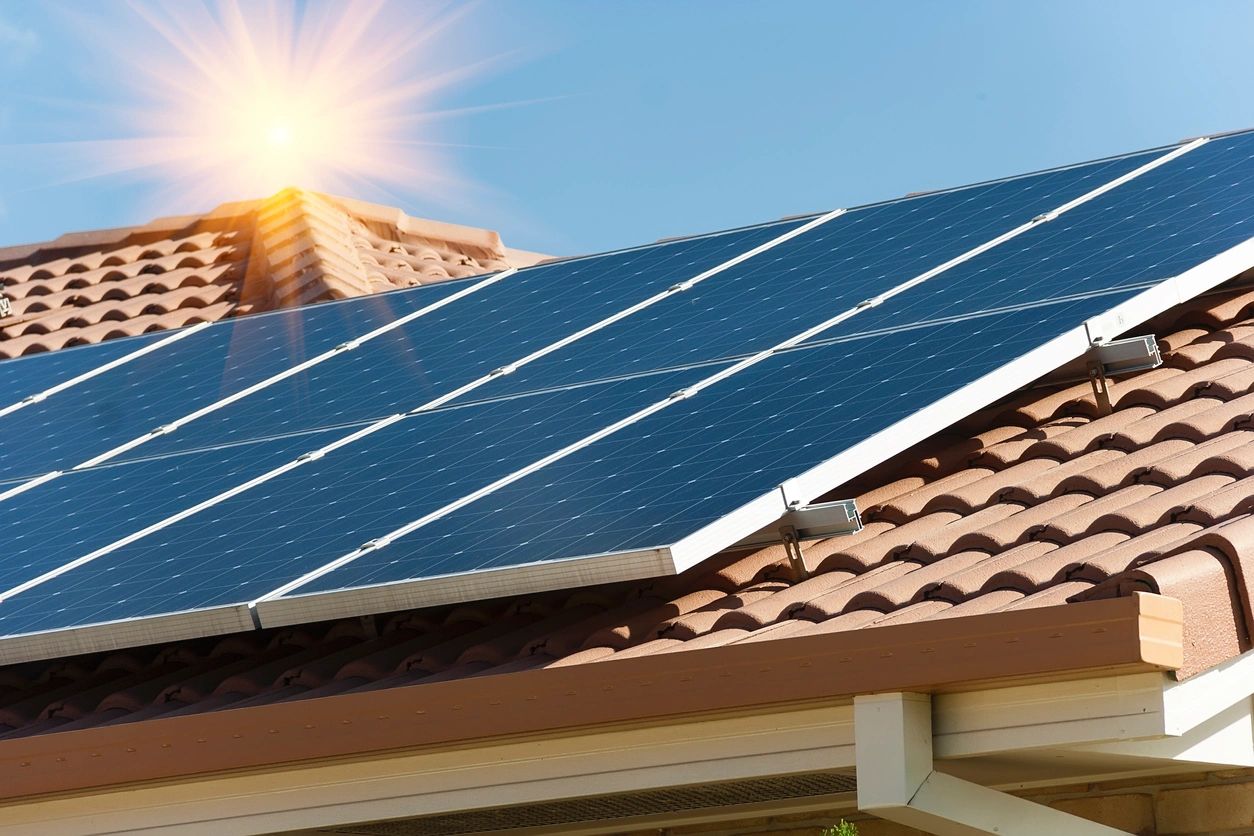
- Rooftop solar panels
- Home batteries
- Smart thermostats
- Electric water heaters
- Electric vehicles
- Businesses that can reduce energy use when needed
On their own, each device doesn’t make much of a difference. But when thousands of them work together, they can act like a large power plant.
How Does It Work?
Think of a virtual power plant as a giant team.
On a hot summer afternoon, when everyone is running air conditioners and electricity demand is high, the power grid can become stressed. Instead of turning on an expensive fossil-fuel power plant, a VPP can step in.
Home batteries can send stored electricity back to the grid. Smart thermostats can slightly adjust air conditioners. Electric water heaters can pause for a short time. Some electric vehicles can even share power from their batteries.
Most people never notice the change, but together these small actions can free up a huge amount of electricity.
Why Are Virtual Power Plants Important?
Building new power plants is expensive and can take years. Virtual power plants use equipment that already exists in homes and businesses.
They can:
- Reduce the need for fossil-fuel power plants
- Lower electricity costs
- Help prevent blackouts during periods of high demand
- Make better use of solar and wind energy
- Improve energy reliability during emergencies
In 2024, thousands of homeowners with batteries helped support California’s electric grid during periods of high demand. Instead of firing up additional fossil-fuel power plants, stored energy from homes helped keep the lights on. Here on the Central Coast, customers in high-fire-risk areas can receive backup battery systems through programs offered by utility companies such as Pacific Gas and Electric Company. These batteries can provide emergency power during outages and may also help support the grid when electricity demand is high.
Virtual Power Plants Are Growing Fast
The idea is catching on quickly.
In just the first three months of 2026, two states passed laws supporting virtual power plants. Massachusetts set a goal of adding 3.5 gigawatts of flexible energy resources—including VPPs—and Minnesota approved a $430 million battery program to help connect more distributed energy resources.
That’s a sign that states are looking for smarter ways to meet growing energy needs without building more fossil-fuel infrastructure.
What’s in It for Homeowners?
Many virtual power plant programs pay people for participating.
If you own a battery or an electric vehicle, you may be able to earn money by allowing your utility to use some of that stored energy when demand is high.
It’s a bit like renting out a spare room—but instead of sharing a bedroom, you’re sharing electricity.
Are Virtual Power Plants Better for the Environment?
You bet!
Because virtual power plants help reduce the need for new fossil-fuel power plants, they can lower greenhouse gas emissions.
They also make it easier to use renewable energy like solar and wind power.
For example, solar panels often produce the most electricity in the middle of the day. Batteries can store that energy and release it later when people need it most.
This helps create a cleaner and more reliable energy system.
The Future of Electricity
Experts believe virtual power plants could become one of the most important energy technologies of the next decade.
As more people install solar panels, batteries, heat pumps, and electric vehicles, the number of devices that can participate will continue to grow.
By working together, these devices can help keep the lights on, lower pollution, and support the transition to clean energy.
The result is a grid that is cleaner, more flexible, and more resilient.
Looking for more reasons to be hopeful? Visit the Solutions section to learn about the technologies and breakthroughs helping tackle climate change right now.


You May Also Like

China Is the World’s Renewable Energy Champion

Good News For A Change: Hope Is On The Horizon