
Big Ship Pollution: A New Deal to Clean Up the Seas
A New Deal to Clean Up the Seas
Have you ever wondered how stuff from across the world ends up at your local store? Giant ships carry nearly everything we buy—clothes, toys, electronics, even food. But there’s a big problem: big ship pollution. Those gigantic ships burn dirty fuel, and that pollutes our air and warms our planet.
Now, there’s a new plan to help change that.
What’s The Big News?
Countries around the world are working on a new agreement that would require ships to cut their pollution—or pay a fee if they don’t. This deal is being talked about by the International Maritime Organization (IMO), which is kind of like the United Nations of the ocean. Their goal? To make shipping cleaner and greener.
Why Big Ship Pollution Matters
Big cargo ships use a fuel that’s thick and dirty—kind of like tar. When burned, it releases huge amounts of carbon dioxide (CO₂), the gas most responsible for climate change. In fact, if all the world’s ships were their own country, they’d be one of the top 10 polluters!
Transportation produced more than eight billion metric tons of carbon dioxide (GtCO₂) worldwide in 2023. Road vehicles were the biggest polluters by far, making up three-quarters of total transportation-related emissions that year. Shipping followed, with international and domestic maritime emissions accounting for a combined share of 12 percent.
The ocean is also suffering from CO₂. This greenhouse gas causes our land and oceans to heat up, making storms worse, melting ice, and even hurting animals like whales and coral reefs. Ships are part of that problem—but they can also be part of the solution.
Clean Up Big Ship Pollution Or Pay Up!
The new plan would give ship companies two choices:
Switch to cleaner fuels and improve their ships to make them more energy-efficient.
Pay a fee if they keep polluting. (In my opinion, this is a convenient cop-out). Although, the money collected from these fees could be used to help poorer countries deal with climate change and protect ocean life.
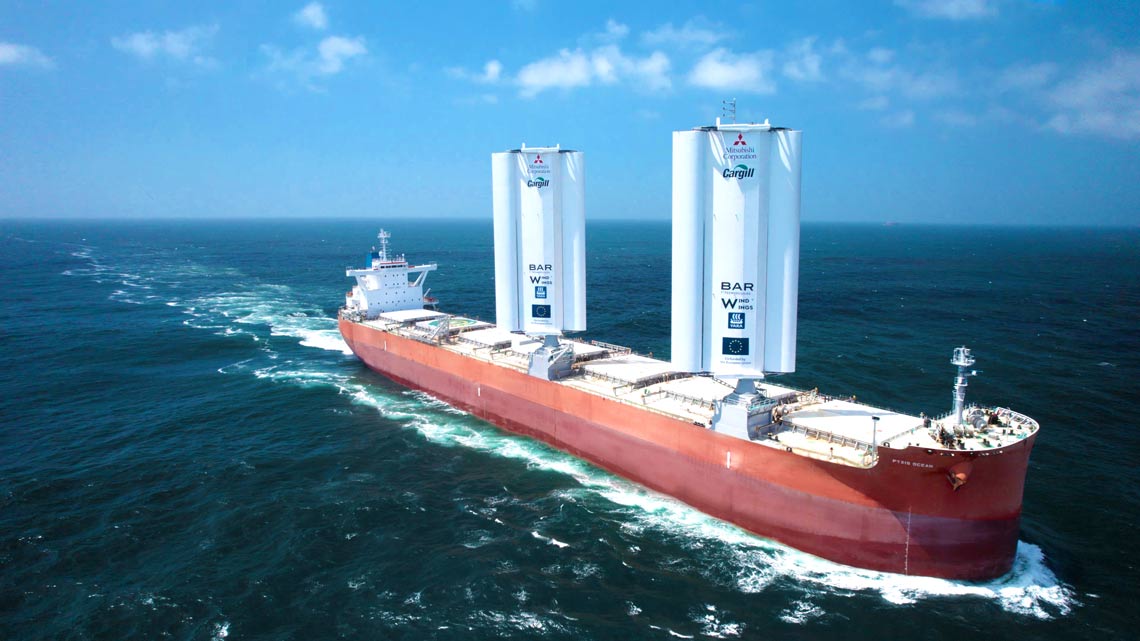
The good news is that some shipping companies are already going green. Shipping companies around the world are trying new ways to cut down big ship pollution and fight climate change. Companies like Maersk, the Danish shipping and logistics company, are starting to use cleaner fuels like green methanol instead of traditional dirty fuels. Some are even building electric ships or getting ready to use fuels like hydrogen, ammonia, and liquid natural gas (LNG). Ports in places like China and Singapore are also helping by offering these cleaner fuels. Together, these changes are helping the shipping industry become greener and better for the planet.
Will It Work?
That depends on what the final deal looks like. Some countries want strong rules and high fees to push the shipping industry to act fast. Others are worried it will raise prices or be unfair to developing nations.
But many climate scientists and ocean protectors say this kind of deal is long overdue. If we want a livable planet, every part of the system—including the giant ships crossing our seas—needs to do its part.
Why It Matters To You
Even though you’re not sailing a cargo ship, the choices made about global shipping affect everyone. They affect the price of goods, the health of our oceans, and how fast we can fight climate change.
By learning about this, sharing what you know, and supporting clean energy solutions, you’re already helping!
Learn the details here: International Maritime Organization
Don’t miss our solutions page for the latest on green actions!