Earth’s Coral Reefs Are in Big Trouble—Here’s Why
Since the beginning of 2023, about 84% of the world’s coral reefs have suffered from something called bleaching, according to the International Coral Reef Initiative. This is the worst global bleaching event ever recorded, even worse than the last big one that happened between 2014 and 2017. To say our coral reefs are in big trouble barely scratches the surface—this is an ocean emergency.
What Is Coral Bleaching?
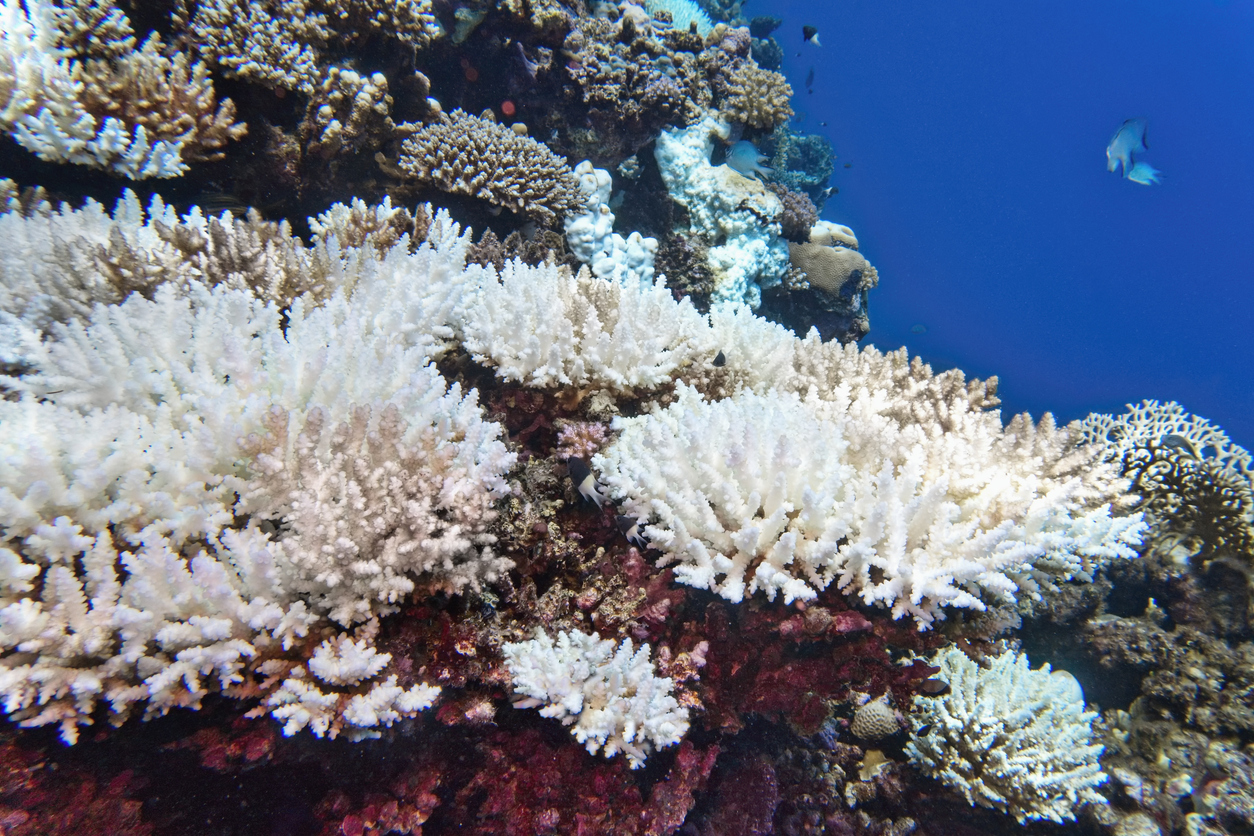
Corals may look like underwater plants, but they’re actually animals—and they team up with tiny algae to survive. The algae give corals their bright colors and also provide food. In return, the corals give the algae a safe place to live and nutrients. But when ocean water gets too hot, the algae start making toxins, and the corals kick them out.
When that happens, the coral turns pale or white—that’s bleaching. If the water cools down fast enough, the algae can come back and the coral can recover. But if it stays hot too long, the corals get sick and can die. When this happens, we know that coral reefs are in big trouble.
Why Does This Matter?
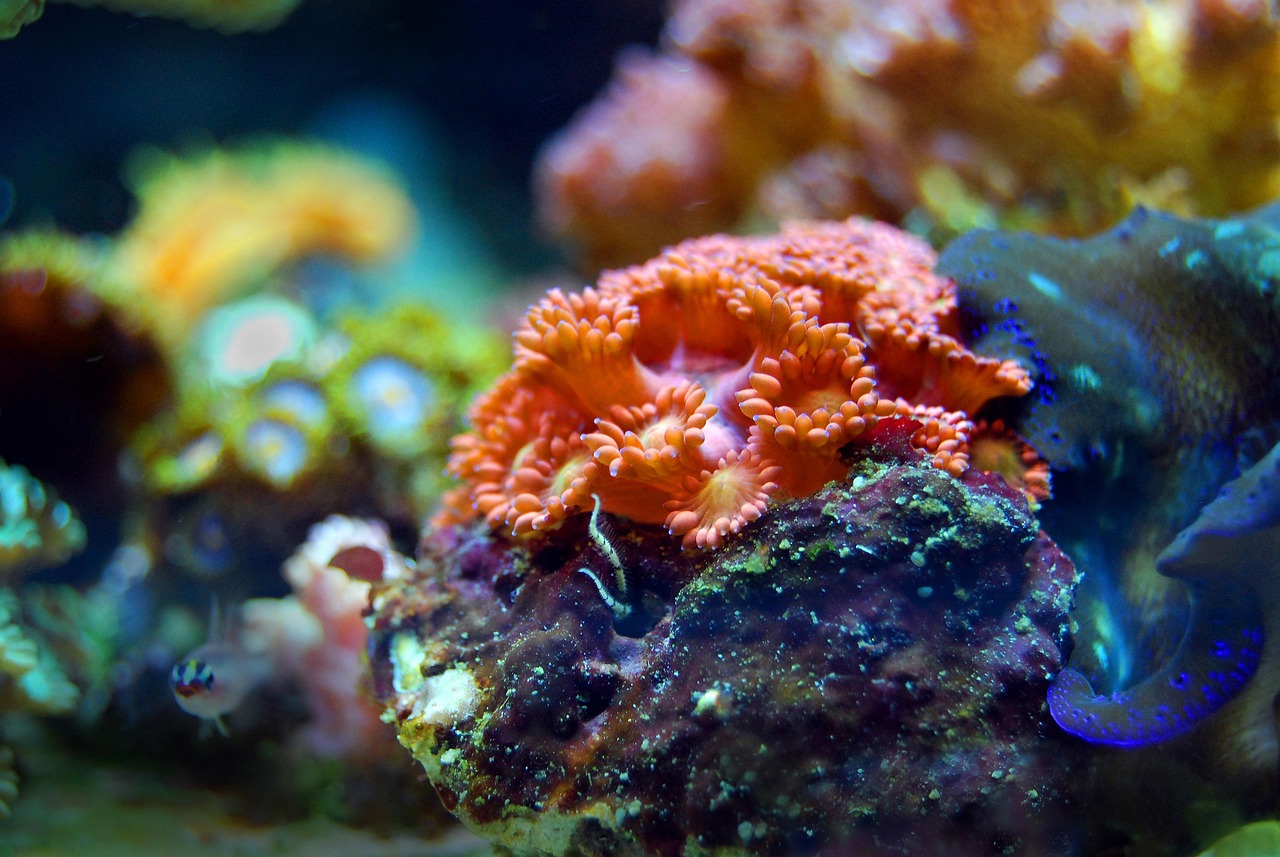
Coral reefs are like the rainforests of the ocean. They’re full of life and support about one-third of all sea creatures. Reefs also protect coastlines from storms and erosion and help people by supporting fishing and tourism. In fact, they’re estimated to be worth $9.8 trillion to the world’s economy!
Right now, 82 countries and territories have seen reef damage during this bleaching crisis.
What’s Causing Coral Reefs Troubles?
The main reason coral reefs are in big trouble is global warming. The planet’s temperature has gone up about 2.7°F (1.5°C) since the late 1800s, and most of that extra heat (around 90%) has been soaked up by the oceans. In 2024, ocean temperatures hit a record high.
It’s gotten so hot that scientists had to add new warning levels to their coral danger scale. The worst level now means that more than 80% of the corals on a reef are in danger of dying. One expert warned that this kind of extreme heat may become the new normal, making it harder for coral reefs to survive in the future.
Can We Save Coral Reefs?
Yes and no—but either way it won’t be easy. Scientists are working hard to help coral reefs survive. One way they’re doing this is by growing special types of corals in labs—corals that can handle hotter ocean water without bleaching. Once these tough corals are strong enough, scientists plant them back onto damaged reefs to help them recover.
The problem is that if just one type of coral takes over a reef, it can actually cause problems. When one species grows too much and pushes out other kinds of corals, it’s called a monoculture. This reduces the variety of life on the reef—not just fewer corals, but fewer fish, crabs, and other sea creatures too.
With less diversity, the reef becomes weaker and less able to handle things like rising temperatures, pollution, or disease. A healthy reef needs a mix of different coral species to stay strong and support all the marine life that depends on it.
But the most effective ways to protect and preserve reefs is to minimize humans’ effects by curtailing pollution that washes into the ocean from land, ending overfishing and curbing the emission of carbon dioxide and other greenhouse gases.
“The best way to protect coral reefs is to address the root cause—climate change. And that means reducing the human emissions that are mostly from burning of fossil fuels,” said Mark Eakin, corresponding secretary for the International Coral Reef Society and former chief of Coral Reef Watch. “Everything else is looking more like a Band-Aid rather than a solution.
For more ocean stories, check out: