
Ocean In Trouble: Toxic Algae Is Killing Sea Life
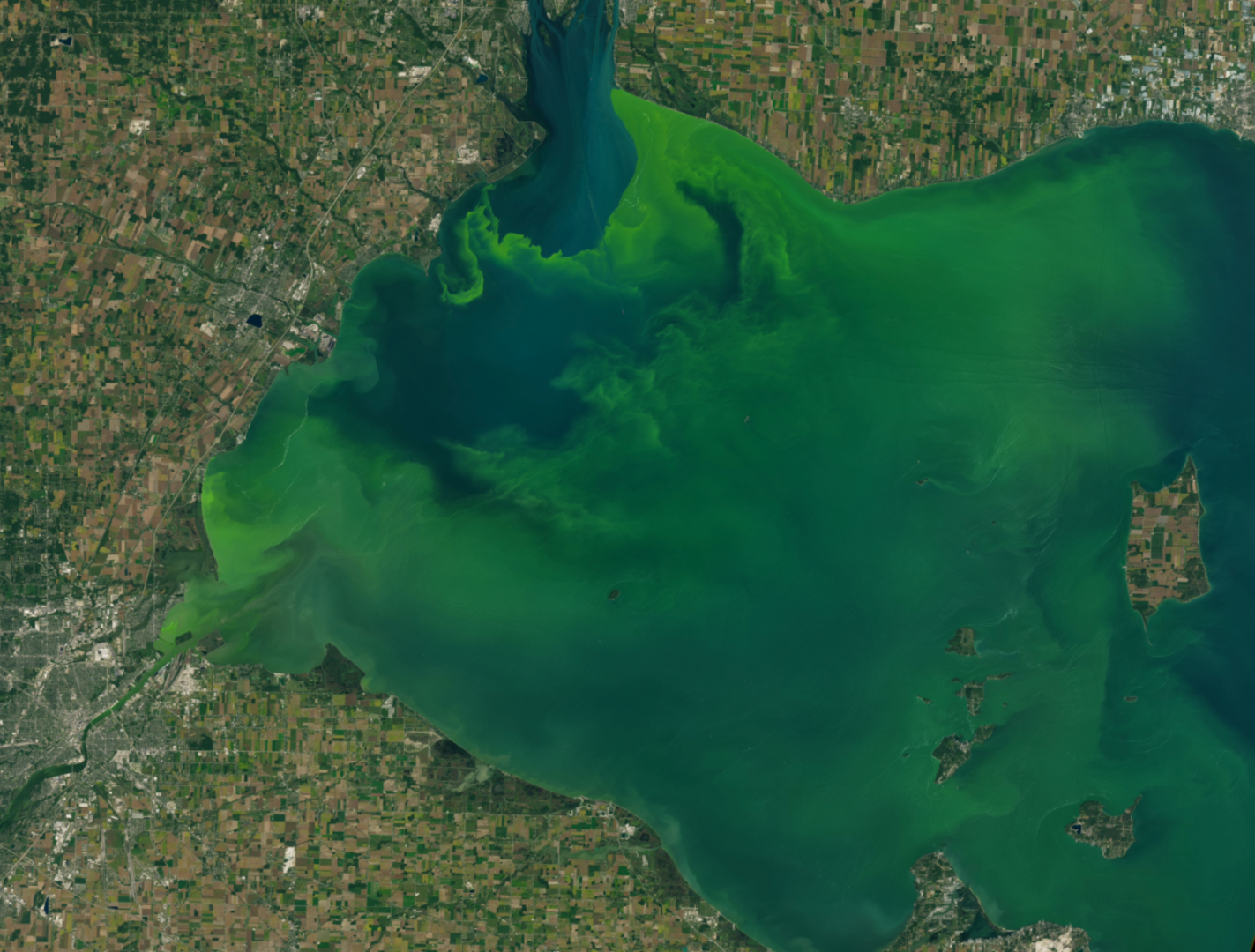
Off the coast of Southern California, something heartbreaking is happening for the fourth year in a row. A toxic algae bloom — caused by tiny ocean plants growing out of control — is making sea lions and dolphins sick. Many are getting stranded on beaches, helpless and confused. Some are even dying.
This bloom started earlier than usual this year, likely because ocean waters are warmer than normal. Toxic algae produce a dangerous poison called domoic acid. It builds up in fish, and when sea lions and dolphins eat those fish, the poison attacks their brains. Sick animals may seem disoriented, have seizures, or lose their ability to swim and hunt. It’s heartbreaking to see animals that are usually so full of life struggling to survive.
In May 2023, hundreds of sea lions and dolphins have washed up on beaches from Santa Barbara to San Diego. Some are barely alive, shaking and unable to move their heads. Others have already passed away before rescuers could reach them. Last year, in 2024, more than 200 animals were affected by domoic acid poisoning as far north as San Luis Obispo County.
NOAA and local rescue teams, such as the Channel Islands Marine & Wildlife Institute, are racing to help — responding to strandings, monitoring algae levels, and trying to save as many animals as possible. But the challenge is huge.
Oceans on the Frontlines of Climate Change
Our oceans, which take up more than 90% of the extra heat from human-caused global warming, are under stress. Warmer waters and pollution from land are making toxic algae blooms like this more common and more dangerous. For those of us who love nature and want our grandchildren to experience a healthy, vibrant ocean, it’s a painful reminder: we need to protect these precious places — and the incredible creatures that call them home — before it’s too late.
So What Can We Do About Toxic Algae?
We need to keep fighting against the expansion of fossil fuels and push for clean, renewable energy. We have to realize that there are powerful groups across the country working hard to slow down the switch to renewables. They spread false information, create confusion, and try to protect their profits — even if it means putting our planet, our oceans, and our grandchildren’s future at risk.
But we can be louder. We can be stronger. By speaking up, voting for clean energy policies, supporting leaders who care about the environment, and teaching the next generation, we can help turn the tide and save our ocean friends from toxic algae.