
Renewable Energy is Powering a Brighter Future
I know it’s hard to ignore the bad news right now. We’re seeing stronger heat waves, bigger wildfires, and oceans under stress. And on top of that, some political decisions feel like they’re pushing us backward instead of forward.
But here’s something amazing: in 2025, something shifted—and you’re here to see it.
The part that doesn’t always make the headlines? Renewable energy is moving ahead anyway—and it’s picking up speed.
For the first time in history, the world added so much renewable energy that fossil fuels actually lost ground. Not just slowed down. Lost ground. Solar panels and wind turbines grew so fast that they supplied 99% of all the new electricity the world needed. Solar alone handled 75% of it. Clean energy sources now generate about 34% of the world’s electricity!
Looking Out to 2030
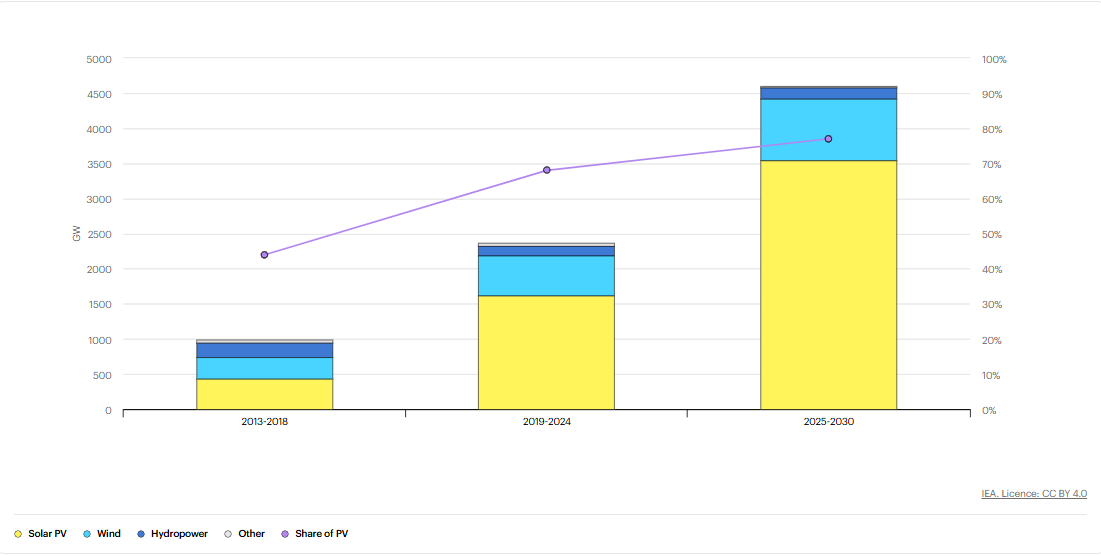
Renewable energy is growing really fast around the world. By 2030, the amount of clean power (like solar and wind) is expected to double. That’s like adding enough new electricity to match all the power used by China, the European Union, and Japan–three of the biggest energy users on Earth.
Most of this growth comes from solar power, which makes up about 80% of the increase. Wind, hydropower, and other renewables are growing too.
In fact, over 80% of countries are building renewable energy faster now than they did just a few years ago.
But there are still some challenges. We need better power grids to handle all this new energy, stronger supply chains for materials, and more funding to keep projects moving forward.
What About the Price Tag?
Here’s the part that should make you feel genuinely optimistic: clean energy isn’t just good for the planet anymore — it’s often the cheapest option. Today, solar power is about 41% cheaper than fossil fuels, and wind power is around 50% cheaper. In fact, more than 90% of new renewable energy projects worldwide now cost less than building new fossil fuel plants. Some countries — including Iceland, Norway, and Costa Rica — already generate nearly all of their electricity from renewable sources.
What Happens When the Sun Sets or the Wind Stops?
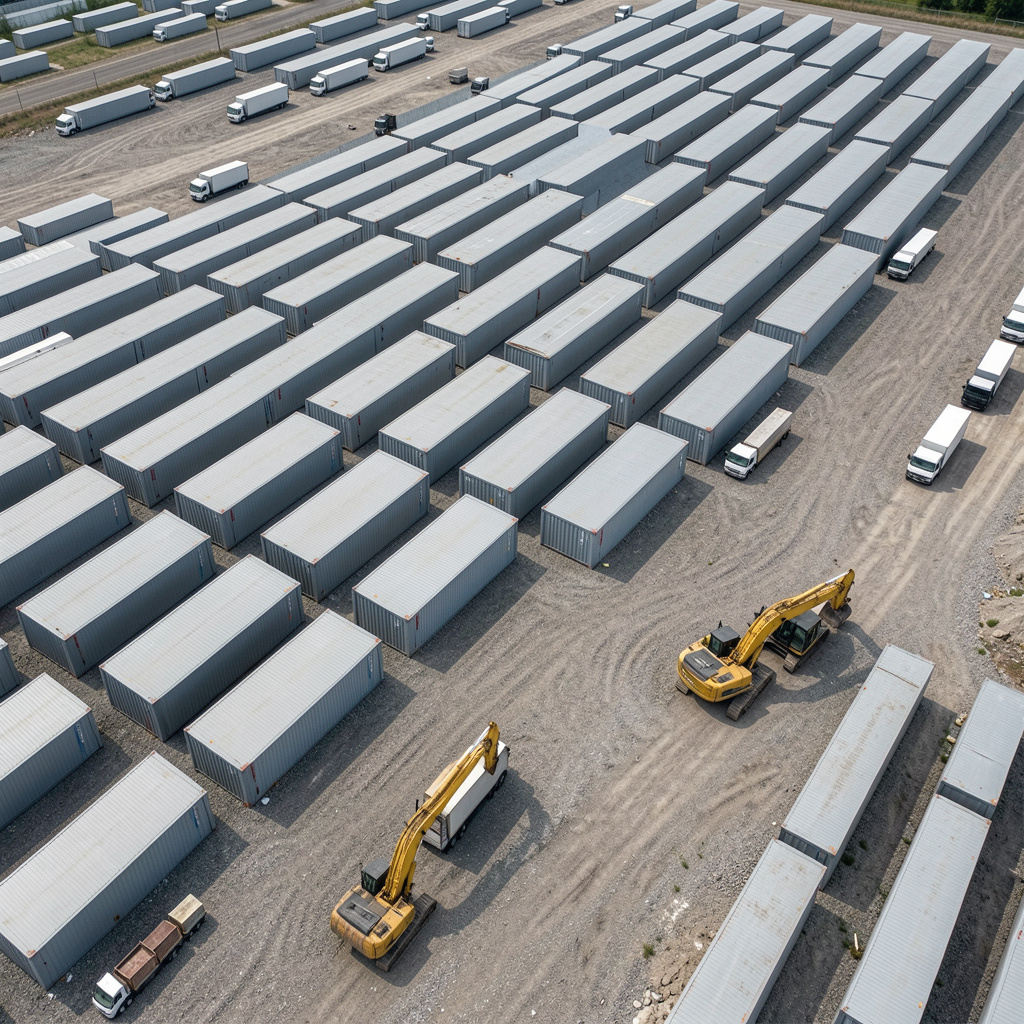
Progress doesn’t always happen smoothly. In some communities, people are worried about the large battery systems used to store renewable energy. A few of these batteries have caught fire, and those fires can be hard to put out. Because of this, some towns have decided to pause or stop new battery projects nearby.
These concerns make sense. Whenever new and powerful technology shows up close to where people live, it’s normal to ask questions and want to be careful.
The good news is that battery storage has gotten much safer. Today’s systems are modular–built from many smaller units instead of one big battery. If something goes wrong, it can be contained in just one section instead of spreading.
There are also stronger safety rules now. New battery projects must include things like fire detection systems, cooling systems to prevent overheating, and enough space between units to stop fires from spreading. Many sites are designed with emergency responders in mind, so firefighters have clear access and better tools to handle problems.
Engineers are also improving battery technology itself, making newer batteries less likely to overheat or catch fire in the first place.
No technology is risk-free—but just like with cars, airplanes, or even home electricity, we learn from early problems and make things safer over time.
Where This Leaves Us
We’ve known about climate change for decades—and for a long time, we didn’t do enough about it.
Now, the good news is that the solution is already in motion. We’ve proven that clean energy like solar and wind can work on a large scale. That was the hardest part—and we’ve done it.
What’s left is building more of it. And that’s happening faster than almost anyone expected.
But here’s the challenge: right now, the United States is also moving in the opposite direction in some ways. There are new plans to expand oil and gas drilling and fracking (a method of drilling deep into the earth to extract oil and gas). The government is even offering deals that encourage offshore wind companies to give up their leases and invest in fossil fuels instead.
So we’re at a crossroads.
Clean energy is ready. It’s growing fast. The future is right there in front of us.
The question is: while other countries move forward, will the U.S. keep looking backward?
The world has a long way to go, but the direction is clear. The sun rose on a cleaner planet in 2025 than in 2024. And it’ll rise on a cleaner one tomorrow.
Stay tuned — because the good news doesn’t stop here. Every week, there are new breakthroughs, new records broken, and new reasons to believe we can solve this. We’ll keep bringing them to you.