
Blue Whales Are Going Quiet — and That’s a Big Warning
Under the ocean’s surface, there’s an underwater symphony. Blue whales and other marine mammals fill the water with songs and calls, almost like an underwater orchestra. To eavesdrop on this symphony, scientists use special tools called hydrophones — microphones designed to work underwater. In this case, researchers used a hydrophone anchored 3,000 feet below the surface.
What Did the Scientists Find?
Over six years, researchers from the Monterey Bay Aquarium noticed something troubling along the California Coast. Blue whales and fin whales began singing less often when the ocean got unusually warm. Scientists say the silence is a serious warning. Meanwhile, some whales that eat lots of different things (like humpbacks) didn’t change their singing much.
Why are blue and fin whales suffering? Because they mostly eat krill (tiny shrimp-like animals). When the ocean warms, krill populations drop sharply. Without enough food, whales have less energy for extra activities — like singing.

In fact, blue whale calls decreased by nearly 40% during those hot years. It’s kind of like trying to sing when you’re starving — your body’s priority is getting food, not making music.
The “Blob” and Why It Matters to Blue Whales
Credit: NOAA
The ocean is acting like a giant heat sponge — soaking up about 91% of the extra warmth trapped by greenhouse gases. That’s why we’re seeing more and more marine heatwaves.
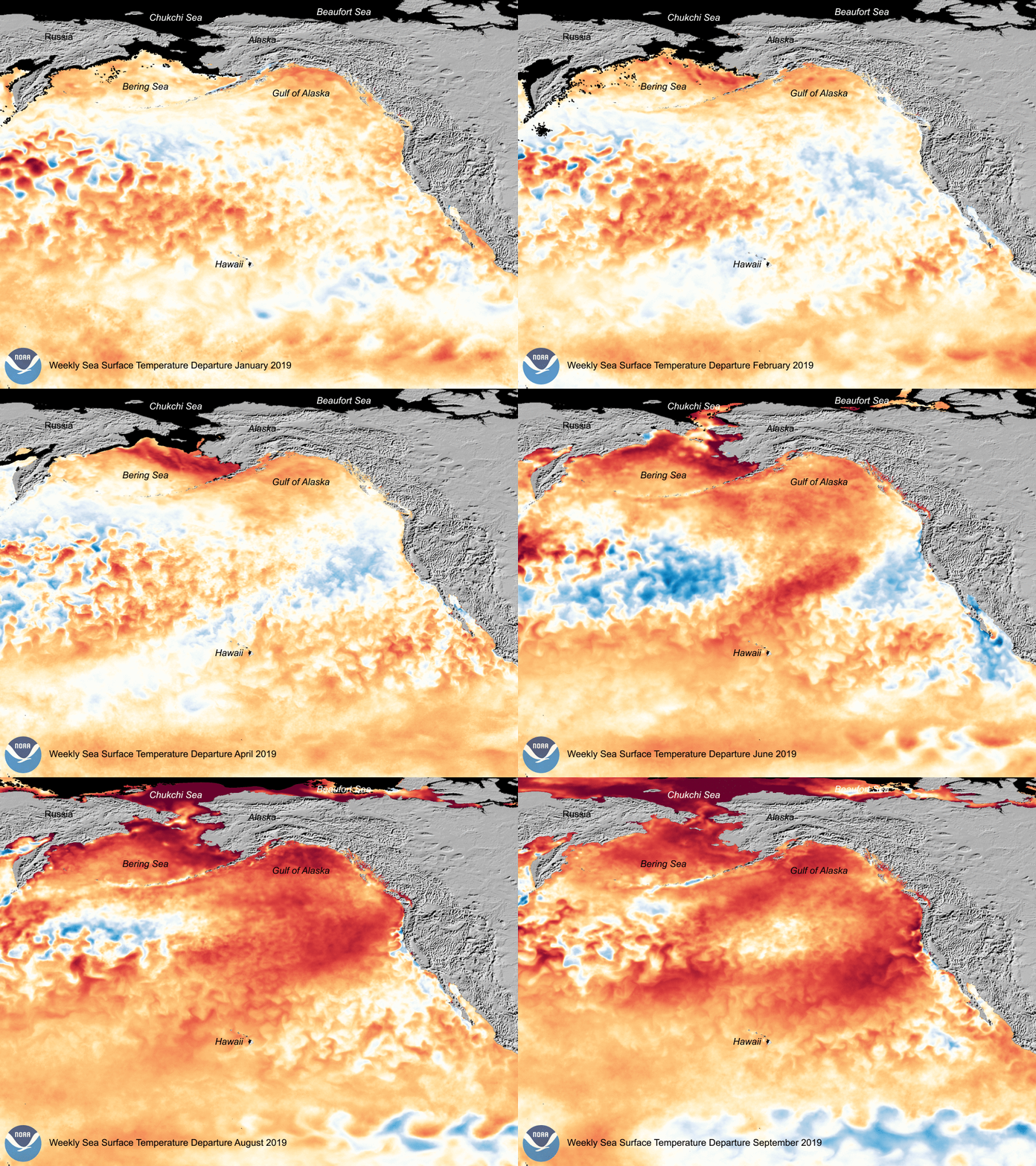
Between 2013 and 2016, scientists spotted something unusual: a massive patch of super-warm water off the Pacific Coast. They nicknamed it “The Blob.” In some places, the water was more than 4.5°F hotter than normal, stretching hundreds of miles across and plunging deep into the ocean. Then came Blob #2 in 2019. And today? The Blob is even bigger. Right now, a record-breaking marine heatwave is sweeping across the Pacific — stretching nearly 5,000 miles, all the way from the ocean near Japan to the U.S. West Coast.
That extra heat didn’t just make the water uncomfortable — it changed the ocean itself. Chemistry shifted, harmful algae blooms became more common, and krill — a favorite food for many whales — nearly vanished in some areas.
And it’s not just California feeling the impact. Off New Zealand, scientists noticed blue whales calling less often during warm-water years. With less food available, the whales put their energy into survival instead of singing, mating, and raising young — a clear sign that the whole ecosystem is under stress.
These marine heatwaves are becoming stronger and more frequent. From the tiniest plankton to the largest whales, ocean life is feeling the squeeze. Because blue whales roam so far and respond so clearly to these changes, scientists think of them as “sentinels” — early warning signals of the ocean’s health.
By tuning into the sounds of the sea, researchers can spot problems early, protect key habitats, and push for solutions to human impacts like underwater noise. The growing silence of the whales is more than just sad — it’s a warning sign for the future of our oceans.
If you love the ocean, you might be interested in these stories:
Beneath the Surface: Hidden Risks of a Warmer World