California Wildfire Severity Is Skyrocketing — And Scientists Know Why
Have you ever driven through a forest and seen a huge field of burned tree trunks, standing like ghosts? That’s what one wildfire researcher calls “tree gravestones” — and in California, they’re becoming a lot more common.
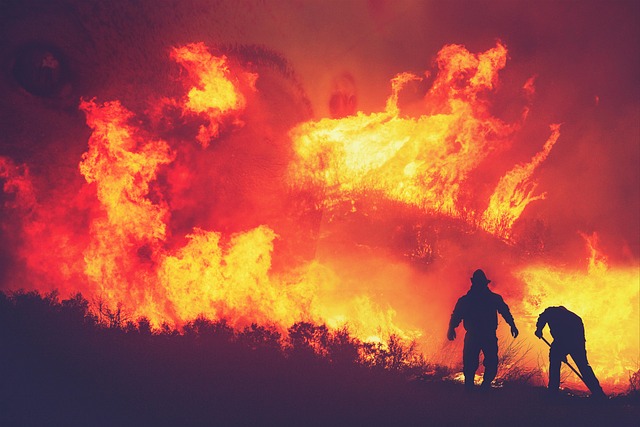
A new study from UCLA looked at forest fires across the state going all the way back to 1985, and the results show just how much California wildfire severity has changed. What they found is pretty alarming: today’s forest fires burn about 10 times more land every year than fires did back in the 1980s. But here’s the part that really stands out — the most destructive type of fire, called high-severity fire, now burns 30 times more land than it did 40 years ago.
Wait, Aren’t Fires Sometimes Good for Forests?
Yes, actually! Not all fires are bad news. Low and medium-severity fires can be healthy for forests. They clear out dead leaves and small plants, and most trees can survive and bounce back afterward.
However, high-severity fires are different. These fires burn so hot that they kill entire patches of trees, leaving behind nothing but blackened trunks. Back in the 1980s and 90s, these destructive fires were rare. Now, they’re the most common type of fire in California’s forests. In fact, since 2012, severe fires have out-burned the “healthy” kind every single year.
What’s Driving Up California Wildfire Severity?
Researchers found two main reasons.
1. Too much fuel. For decades, firefighters and forest managers worked hard to stop every fire as fast as possible — remember Smokey Bear saying “Only you can prevent forest fires”? While that sounds like a good idea, it actually caused a problem. Without small fires clearing things out regularly, dead branches, dry brush, and thick plant growth have been piling up for years. Now, when a fire does start, there’s way more fuel to burn, which makes the fire bigger and hotter. Luckily, I’m seeing controlled burns in my area fairly often, and I’ve seen workers clearing brush in the mountains.
2. A thirstier atmosphere. Climate change has made the air warmer, and warmer air can hold more moisture. That means the atmosphere acts almost like a sponge, sucking moisture out of plants, trees, and soil. The drier everything gets, the easier it is for fires to spread out of control.
Why This Matters
When a forest burns this severely, it doesn’t just grow back like normal. The nearby trees that would normally drop seeds to help the forest regrow are often destroyed too, or too far away. That means some burned areas might not become forests again for decades — or ever. Instead, they could turn into grassland or shrubland.
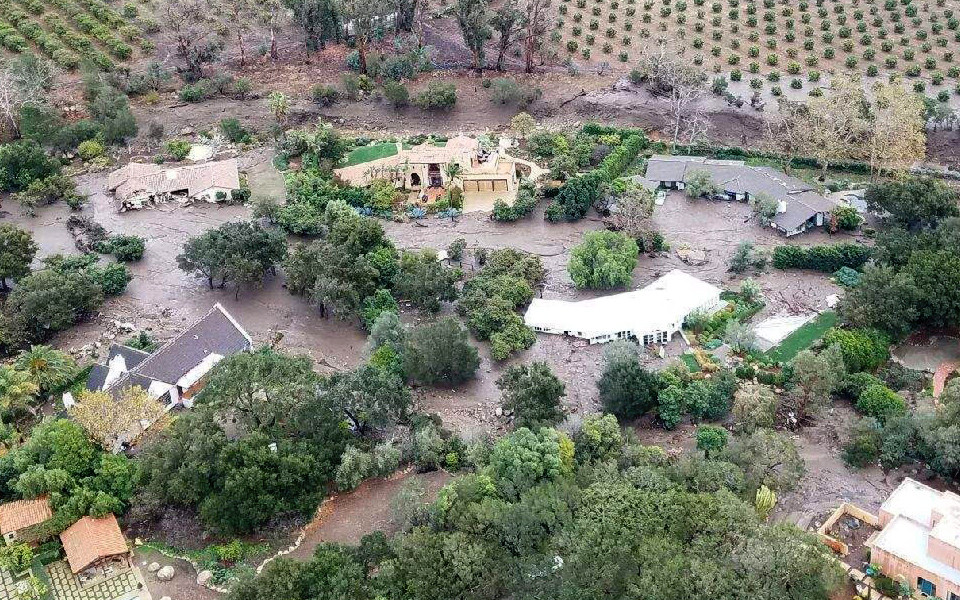
That’s a big deal because forests do a lot for us. They clean the air we breathe, help manage water during storms, support wildlife, and even boost local economies through things like tourism. Losing forests means losing all of that, plus the fires themselves create huge amounts of air pollution and raise the risk of flooding. Remember Santa Barbara in 2018?
Is There Anything We Can Do?
The good news: yes, partly. Scientists say that actively managing forests — like clearing out overgrown brush and doing carefully controlled “prescribed burns” — can help reduce fire risk in specific areas.
The bad news: managing forests can’t fix everything. Above all, the warming and drying of the atmosphere is a huge driver of these fires, and no amount of brush-clearing can undo climate change on its own. That’s why many scientists point to reducing greenhouse gas emissions as the biggest solution of all. Since a warmer atmosphere is one of the main forces drying out forests and fueling severe fires, cutting emissions tackles the root cause — not just the symptoms.
In other words, California’s forests are changing fast, and fire is at the center of it. As California wildfire severity keeps climbing, understanding why fires are getting more destructive — and what we can do about it — is an important step toward protecting these forests for the future.
Eager for more climate info? Get it all right here!
Based on research published June 22, 2026 in the journal PNAS, led by scientists at UCLA.