
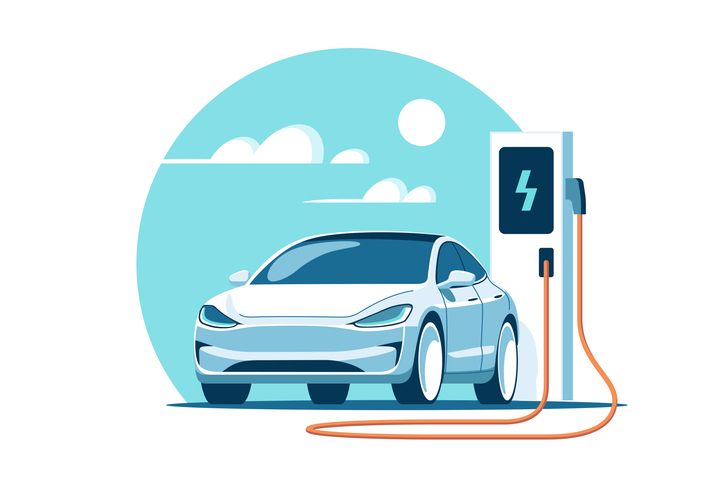
The Truth About Lithium Mining: How EV Batteries Compare to Fossil Fuels
One of the biggest criticisms of electric vehicles (EVs) is that they use lithium. You’ve probably seen comments online asking, “Have you looked into lithium mining?”
The answer is yes.
Lithium mining has environmental impacts. Every type of mining does. But many of the claims shared online leave out some important facts. They also ignore a simple reality:
Most of us use lithium every single day.
You’re Probably Using Lithium Right Now




If you’re reading this on a smartphone, tablet, or laptop, you’re using lithium.
It’s also found in:
- Cordless power tools
- Smartwatches
- Wireless earbuds and headphones
- Portable power banks
- Some medicines
- Glass and ceramics
- Aluminum production
- Commercial and military aircraft
- Manufacturing processes used to build homes and countless everyday products
Yet somehow, lithium only becomes a problem when it’s inside an electric vehicle.
Where Does Lithium Actually Come From?
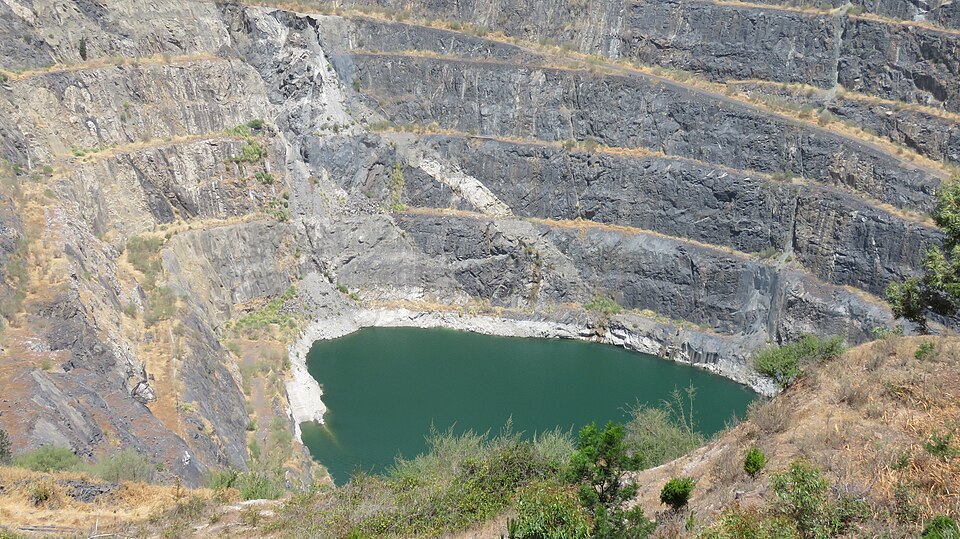
One common myth is that most lithium comes from child labor. That’s simply not true.
About 60–70% of the world’s lithium comes from hard-rock mines, with Australia producing more lithium than any other country. Another 30–40% comes from underground saltwater deposits, called brines, mainly in Chile and Argentina.
Australian lithium mines operate under strict environmental, worker safety, and labor laws. Like other mining industries, they provide thousands of jobs and contribute billions of dollars to the economy.
That doesn’t mean lithium mining has no environmental impact—it does. But it’s important to understand where lithium comes from and how it’s produced.
Don’t Confuse Lithium with Cobalt
People often mix up lithium and cobalt, but they are different minerals.
Cobalt mining in parts of the Democratic Republic of the Congo has well-documented problems with unsafe working conditions and child labor. Those are serious issues that deserve attention.
But most lithium is not mined there. Confusing cobalt with lithium spreads misinformation and distracts from the real problems that need to be solved.
Battery Technology Is Changing Quickly
Many of today’s electric vehicles use lithium iron phosphate (LFP) batteries instead of older battery types. LFP batteries contain no cobalt and no nickel, which reduces the need for minerals that have raised ethical concerns.
LFP batteries supplied about 40% of the global EV battery market in 2023, and their popularity continues to grow.
At the same time, manufacturers are beginning to introduce sodium-ion batteries for some uses. These batteries cost less to make and use abundant materials, making them a good choice when maximum driving range isn’t the top priority.
EV Batteries Don’t Go Straight to the Landfill
Another myth claims that people throw EV batteries away after they stop using them.
In reality, manufacturers build most EV batteries to last hundreds of thousands of miles.
After the batteries lose enough capacity that they no longer provide the best driving range, companies can reuse many of them to store electricity from solar and wind power.
When the batteries finally reach the end of their useful lives, modern recycling facilities can recover more than 90% of valuable metals, including lithium, cobalt, nickel, and copper. Recycling these materials also produces far fewer greenhouse gas emissions than mining and processing new metals.
Mine Once vs. Burn Forever
Here’s the biggest difference between electric vehicles and gasoline-powered cars.
An EV battery is made from minerals that are mined once. Those materials stay inside the battery for many years. Later, people can often reuse them for energy storage and eventually recycle them into new batteries.
Gasoline and diesel vehicles are different. They need a constant supply of new fuel.
Every year, the world extracts about 15 billion metric tons of coal, oil, and natural gas. Workers transport those fossil fuels, refine them, transport them again, and then burn them. Once burned, they’re gone forever—and the whole process starts over the next day.
By comparison, miners produce global lithium in amounts measured in hundreds of thousands of tons, not billions.
In other words, fossil fuels require us to keep digging up and burning enormous amounts of new material every year, while EV batteries offer a long-lasting product that we can reuse and recycle.
How Do EVs Compare to Gas-Powered Cars?
No one should claim lithium mining has zero environmental impact.
It doesn’t.
Every mine changes the landscape and affects local ecosystems.
But there’s one important difference.
A lithium battery is mined once, used for many years, often reused, and then recycled.
Fossil fuels must be extracted, transported, refined, and burned over and over again. That continuous cycle creates greenhouse gas emissions, methane leaks, refinery pollution, oil spills, and air pollution every single day.
The fuel disappears after one use.
Looking at the Full Picture
According to the International Energy Agency, even after including battery manufacturing and mineral mining, the average battery electric vehicle produces about 70% fewer greenhouse gas emissions over its lifetime than a similar gasoline or diesel vehicle using today’s average electricity mix.
As more electricity comes from clean energy like wind and solar, that advantage will continue to grow.
The Bottom Line
Lithium mining has environmental impacts, and we should continue making it cleaner and more responsible.
But if we’re going to talk about lithium, we also need to compare it fairly with the alternative.
One system requires mining materials once, using them for years, reusing them, and eventually recycling them.
The other requires extracting, transporting, refining, and burning billions of tons of fossil fuels every year—and then doing it all over again the next year.
The next time someone asks, “Have you looked into lithium mining?” the better question might be:
Have you also looked into the environmental costs of extracting and burning fossil fuels every single day for more than 150 years?
Thinking of buying an electric vehicle? Check out Fueling the Future: Why EVs Are Better for the Environment.


