The Dirty Truth About Your Produce—and How to Clean It
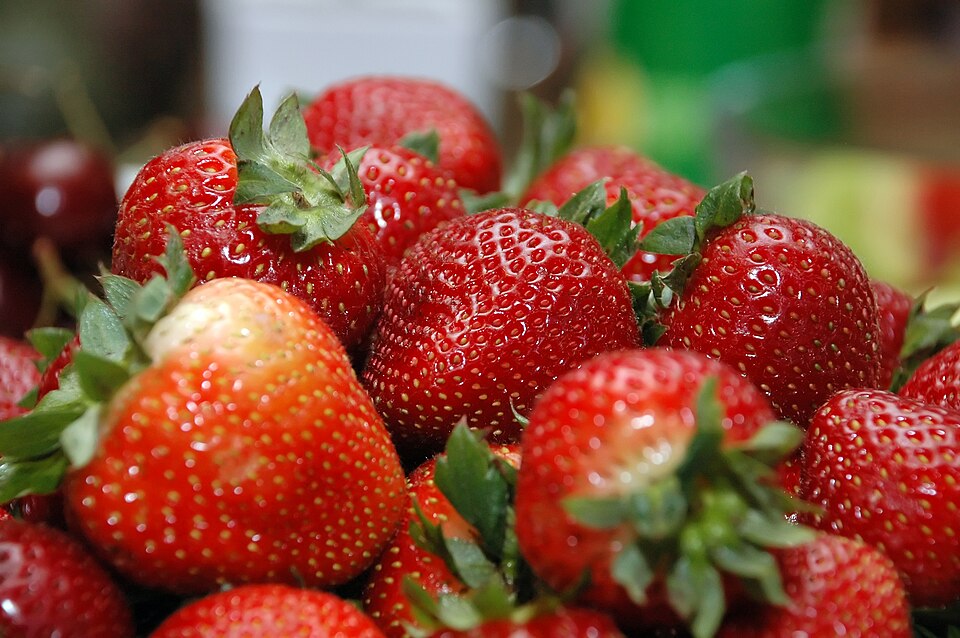
Strawberries may be sweet and juicy, but they made third place in this year’s “Dirty Dozen” list from the Environmental Working Group (EWG). The Dirty Dozen is an annual report that looks at which fruits and vegetables have the highest levels of pesticide residue based on testing by the U.S. Department of Agriculture. Other foods on the list include spinach, kale, blueberries, grapes, peaches, cherries, apples, pears, and potatoes.
The good news is that simply rinsing fruits and vegetables under running water can remove many pesticide residues. Some scientists say you can make washing even more effective by soaking produce in water mixed with a little baking soda or vinegar. However, never use soap or detergent because fruits and vegetables can absorb those chemicals.
It’s important to remember that the fruits and vegetables on the Dirty Dozen list are still considered safe to eat under current government guidelines. The amount of pesticide residue found is below the legal limits set by the U.S. Environmental Protection Agency. Even so, scientists are still studying the possible health effects of long-term exposure to some pesticides.
Experts agree that eating fruits and vegetables is much healthier than avoiding them because of pesticide concerns. “The benefits of eating fruits and vegetables definitely outweigh the risks,” says Dayna de Montagnac, a scientist with EWG.
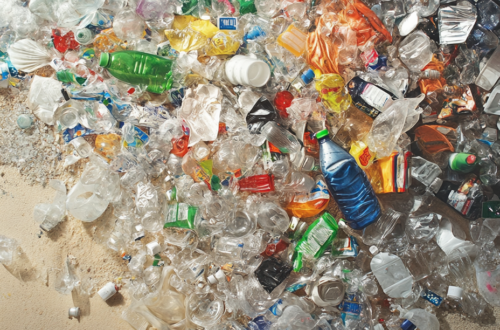
The report also found that more than 30% of the produce tested contained PFAS, sometimes called “forever chemicals.” These chemicals break down very slowly and can stay in the environment for many years. Studies have linked PFAS to health problems such as weaker immune systems, changes in metabolism, and a higher risk of some cancers.
Children and pregnant women may be especially vulnerable because PFAS and some pesticides can affect developing brains and reproductive systems. That’s why experts recommend washing all fruits and vegetables before eating them—whether they are organic or conventionally grown.
A Quick Kitchen Trick for Cleaner Produce
Image: Soaking produce Credit: MYCCF, Pixabay
A simple wash involves rinsing produce under running water for about 20 seconds or soaking it in clean water for 15 to 20 minutes. For firm fruits and vegetables like melons and cucumbers, the U.S. Food and Drug Administration recommends using a clean produce brush.
For extra cleaning power, some researchers suggest soaking produce in water with baking soda. One study found that baking soda works especially well at breaking down certain pesticides. A common method is to mix about one teaspoon of baking soda with one cup of water, soak the produce for 10 minutes, and then rinse it with clean water.
Other studies have looked at vinegar. Researchers found that soaking lettuce in water mixed with a small amount of rice vinegar for 10 minutes removed more than 75% of several common pesticides. While no washing method removes every trace of pesticides, using baking soda or vinegar can help reduce the amount that remains on the surface of fruits and vegetables.
The bottom line: Keep eating fruits and vegetables—they are an important part of a healthy diet. Just make sure to wash them before you eat them.
If you’re not familiar with PFAS, don’t worry—I’ve put together a simple guide that explains what these “forever chemicals” are, where they’re found, and what you can do at home to reduce them in your tap water. Read it here: Toxic PFAS May Be in Your Tap Water