Solutions
-
Good News For A Change: Hope Is On The Horizon
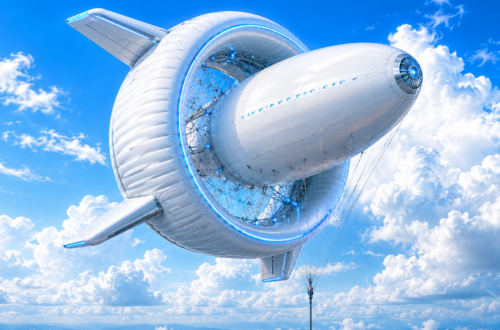
Hope is on the horizon! Amid the challenges, there’s good news: people everywhere are stepping up to protect our planet. From coral reef restoration and reforestation projects to massive clean energy expansions and some wildlife making a comeback, change is happening. Some endangered sea turtles are recovering. Countries are phasing out coal. Kids are leading climate marches. Nature is resilient—and so are we. A Bright New Record for U.S. Power In March 2025, something big happened—clean energy made more electricity than fossil fuels in the U.S. for the very first time! That month, renewable energy sources like wind, solar, and hydropower provided 51% of the country’s electricity, while fossil fuels…
-
Big Ship Pollution: A New Deal to Clean Up the Seas
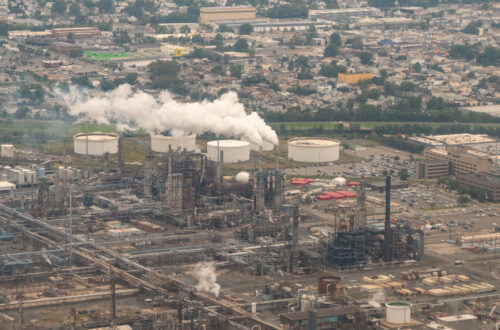
A New Deal to Clean Up the Seas Have you ever wondered how stuff from across the world ends up at your local store? Giant ships carry nearly everything we buy—clothes, toys, electronics, even food. But there’s a big problem: big ship pollution. Those gigantic ships burn dirty fuel, and that pollutes our air and warms our planet. Now, there’s a new plan to help change that. What’s The Big News? Countries around the world are working on a new agreement that would require ships to cut their pollution—or pay a fee if they don’t. This deal is being talked about by the International Maritime Organization (IMO), which is kind…
-
Rot On: How to Compost at Home
By Holly Shaftel, contributing writer In early 2019, I was looking for ways to save money at home. One day, I thought, “Hmm, maybe I can get rid of my trash bill!” I looked at my kitchen garbage and noticed how much plastic and food waste was in there. “What am I doing?!” I asked myself. I felt like a hypocrite — at the time, I was working in climate change communications, but I wasn’t living an eco-friendly life. I knew it was time for a change. That’s when I started reducing my waste and composting, which means turning things such as leaves and food scraps into fertilizer. Let’s talk…
-
Turn Your Yard Into a Certified Wildlife Habitat
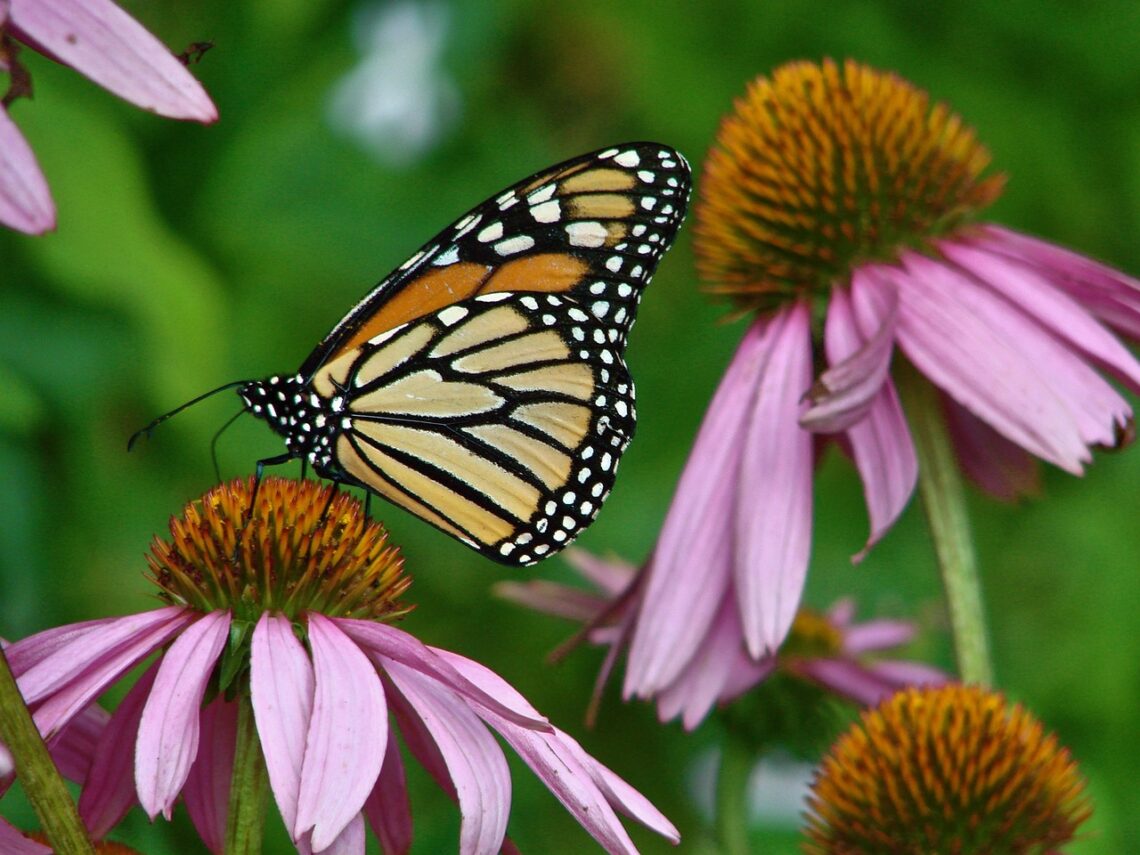
By Holly Shaftel, contributing writer Imagine: Butterflies dance over wildflowers, bees hum at lavender, and a hummingbird sips from honeysuckle. A rabbit nibbles clover as a fox slips through tall grass at dusk. Birds call from the hedgerow, completing the lively scene. At the garden’s edge, a “Certified Wildlife Habitat” sign stands — this thriving haven is your backyard! A certified wildlife habitat is a yard or garden that provides food, water, shelter, and space for wildlife to raise their young. Through the National Wildlife Federation (NWF), anyone can create one — at home, a school, a business, or even a place of worship. Why certify? Many wild animals have…
-
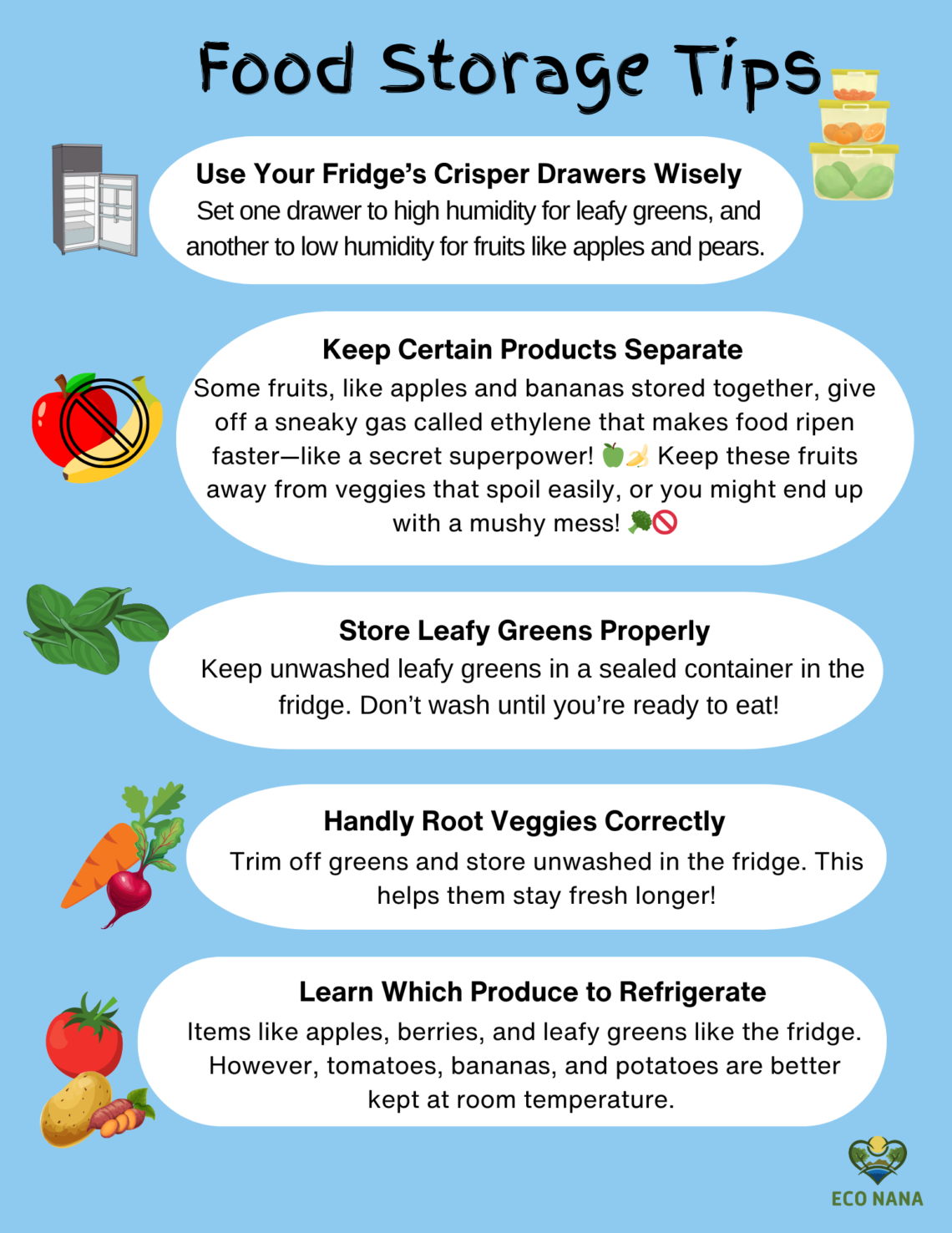
“Food Waste Fix: Smart Hacks to Save Food & Save the Planet!” 🍎♻️
-
What Is Permaculture? Joshua Tree Course Provides Overview and Community
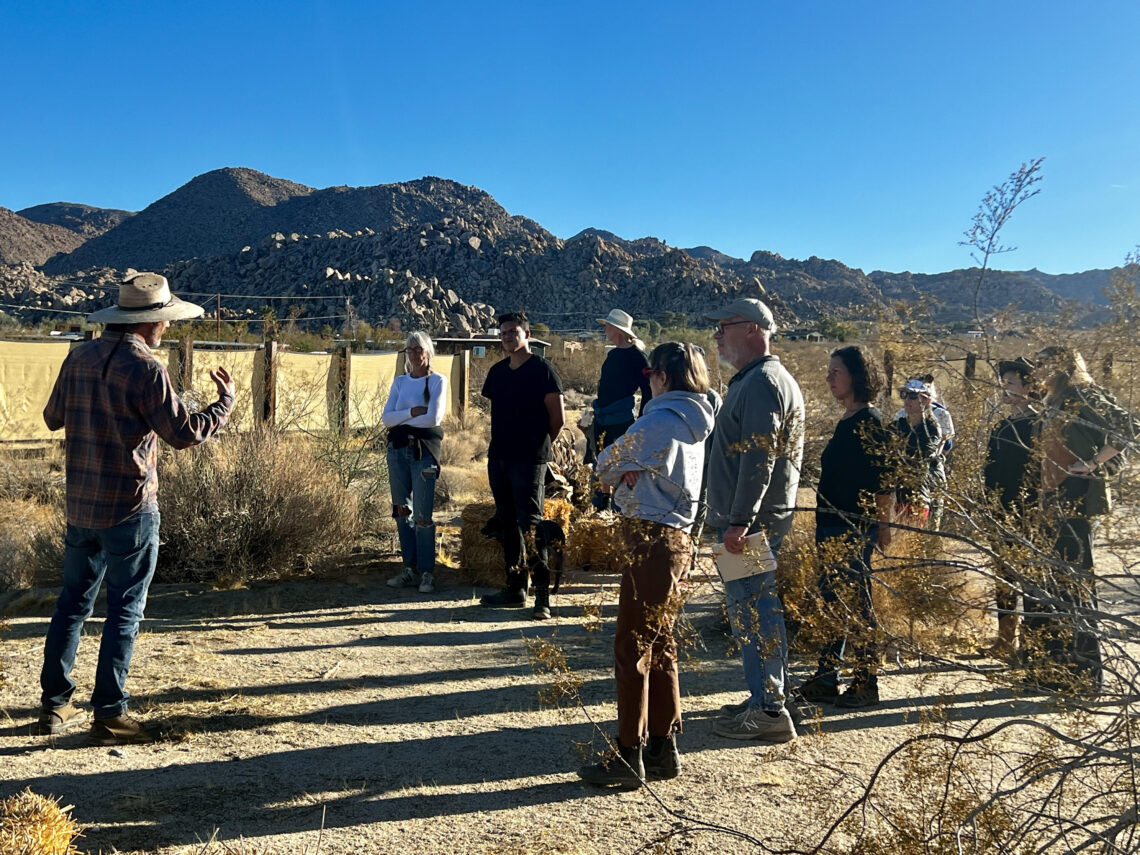
By Holly Shaftel, EarthRise LLC Editor’s note: This piece was updated on April 15, 2025, to reflect a date change for a two-week permaculture design certification course. Earth’s problems are increasingly complex, but the solutions can be incredibly simple. That’s according to Warren Brush, a global resilience design consultant, educator, lecturer, and storyteller who helped lead an “Intro to Permaculture” weekend workshop at the Joshua Tree Foundation for Arts and Ecology in Joshua Tree, Calif., on Dec. 6–8, 2024. The event provides a taste of a two-week permaculture design certification course (postponed to late September 2025) in the same location. According to Brush, permaculture (a word combining “permanent” and “culture”…
-
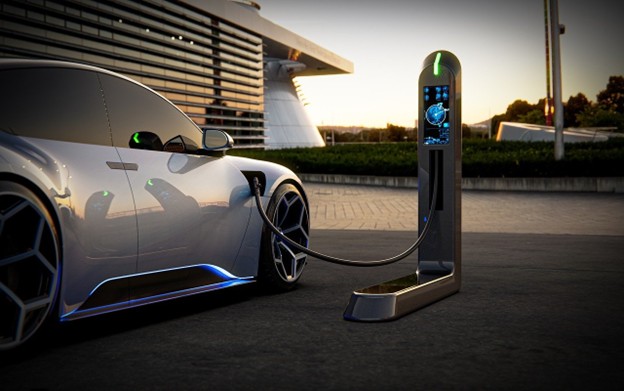
Fueling the Future: Why EVs Are Better for the Environment
Guest Post by Holly Shaftel When I was on Facebook (maybe five years ago), I once debated an old high school classmate about electric vehicles. I can’t remember the details, but this person replied to my post about electric trucks, spewing all the falsehoods she likely picked up from her social circle, including those about battery production. As a proud EV owner and former NASA climate website editor, I’m used to “science bombing” online trolls, bots, and deniers who work for Big Oil and other bad actors. So, it might not surprise you that misinformation (unintentionally false information) and disinformation (intentionally false information) around electric cars often came up in my…
-
How I Try to be Eco-Friendly
Being eco-friendly is really important to me, and I’ve been working to make choices that help the environment and reduce my carbon footprint. I started by driving hybrid cars, like the Honda Insight and then the Prius Prime. These small cars were great for getting around town. A few years ago, I upgraded to a fully electric car, and I’m really happy with it! I bought my current home about two and a half years ago. Although it’s been a financial stretch, my boyfriend and I invested in solar panels, a heat pump system (for heating, cooling, and hot water), and an induction stove. We’re thrilled with these upgrades, even…
-
Solutions to Climate Change
Finding solutions to climate change isn’t easy, but it can be done! Some are easy, some are hard, some are expensive, and some are cheap. And, believe it or not, you can have fun doing it! One of my biggest frustrations working on NASA’s Climate website was our inability to discuss solutions to climate change. That wasthe most asked question that came through our “Feedback” section (which no longer exists). Climate change is one of the biggest challenges our world faces today. It means that Earth’s average temperature is rising. It also means that ice sheets and glaciers are melting, and extreme weather is getting worse. Fortunately, people around the…
-
Renewable energy is an important solution to climate change
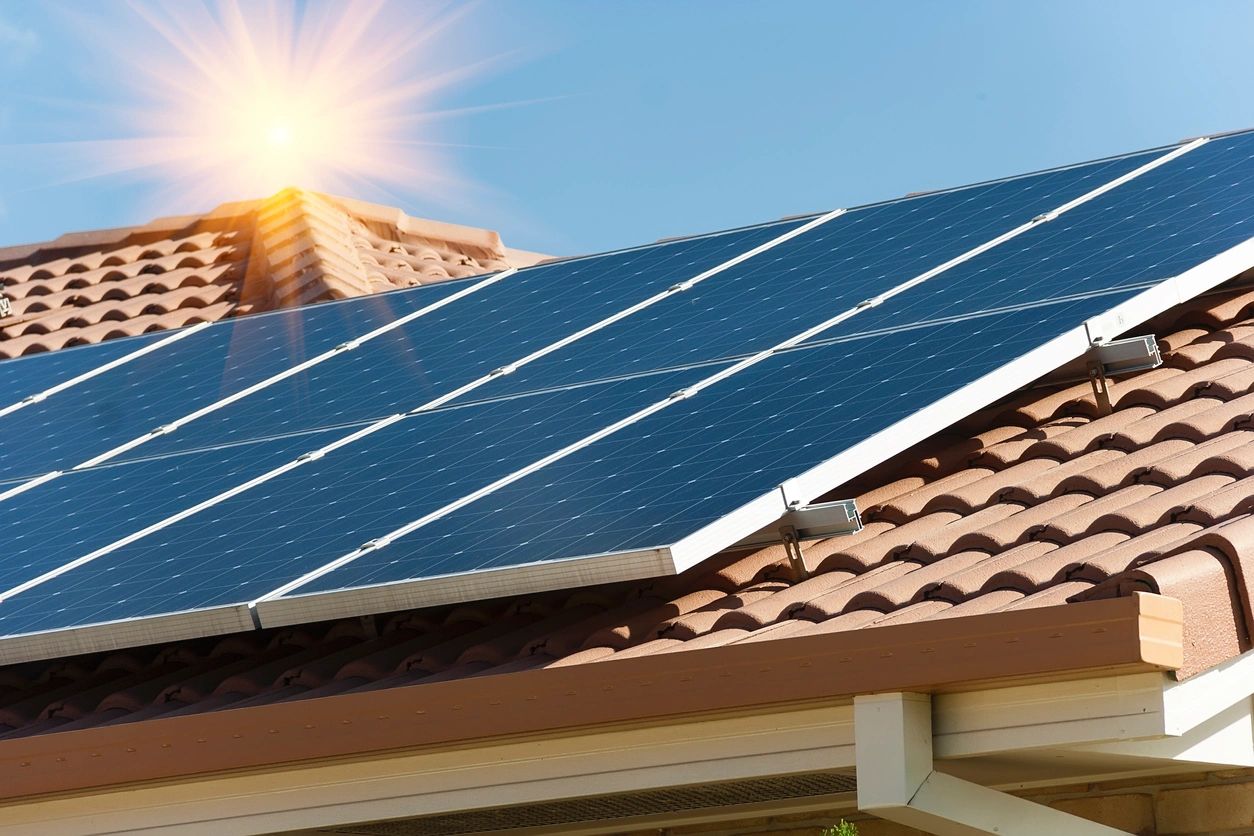
Renewable energy is a critical solution to climate change. Renewable energy is energy from sources we can’t run out of. Some types of renewable energy, like wind and solar, come from sources that are not depleted when used. Others, like biomass, come from sources that can be replenished. Common types of renewable energy are wind, solar, hydropower, biomass and geothermal. Renewable energy has two advantages over the fossil fuels that provide most of our energy today. First, there is a limited amount of fossil fuel resources (like coal, oil and natural gas) in the world, and if we use them all we cannot get any more in our lifetimes. Second, renewable energy produces…