-
Your Guide to Affordable, Sustainable, and Ethical Engagement Rings
Holly Shaftel, contributing author I Said Yes — to Love and the Planet My partner of 10 years recently popped the question, and of course I said “Hell yeah!” Because I care a lot about the environment, he knew I’d want engagement and wedding bands that were made in a way that’s kind to people and the planet. So, he chose rings made with recycled gold and lab-grown jewels — and saved a lot of money too! Are lab-made and recycled metals the only way to go? Let’s first look at the dark side of traditionally mined jewelry, and then we’ll check out some eco-friendly choices. 💎 What’s Wrong with…
-
Ocean Coloring Page
-
Breeze to the Rescue: Offshore Wind for a Healthier Ocean
I live on the Central Coast of California and am up to my eyeballs in offshore wind. I moved here about three years ago after retiring from NASA’s Jet Propulsion Laboratory in 2024. I thought I was done working—but surprise! I’m busier now than I was when I had a full-time job! Why? We have three offshore wind lease areas covering about 376 square miles of ocean waters located roughly 22 miles off the coast of San Luis Obispo County, near Cambria and San Simeon. I got involved in offshore wind after reading opinion pieces and social media posts saying that wind farms were killing whales and birds. Since I…
-
Dive Into the Deep: Fun Facts About the Ocean
Did you know that most of our planet is underwater? The ocean covers more than 70% of Earth’s surface, yet we’ve explored less of it than the surface of the Mars! From glow-in-the-dark creatures to underwater mountains taller than anything on land, the ocean is packed with life and continued surprises. In this blog, we’ll dive into some of the coolest, weirdest, and most amazing facts about the deep blue sea. Get ready to explore fun facts about the ocean, an underwater world that’s mysterious, powerful, and full of life! Fun Facts About the Ocean: The Ocean’s Hidden Highway and More! There is only one world ocean, but five named…
-
A World Without Wonder? Not If We Protect Biodiversity
What in the World is Biodiversity? Biodiversity is all the different kinds of life on Earth a. But it also includes the differences within each species—from towering trees to buzzing bees to bacteria you can’t even see. But it’s more than just a list of species. It also means the differences within each kind of life — like all the types of apples, dog breeds, or animals. It’s not just about what’s living, but where they live, too. Forests, deserts, lakes, and farms are all ecosystems where life exists, and each one is full of living things that depend on each other to survive. Even the creepy-looking pincher bug has…
-
Behind the Ride: The Sad Truth About Elephant Tourism
Riding elephants might seem fun, but it actually harms them. I have to admit, I took my kids to ride these gentle creatures at the San Diego Wild Animal Park—back before I realized how harmful it is for them. I wouldn’t have done it if I had known the truth. Here’s why it’s important to say no to elephant rides: Painful Training Elephants don’t naturally let people ride them. The problem with elephant rides starts with how the elephants are trained. In a process called “the crush,” handlers force young elephants to endure painful and scary treatment to make them obey humans.This can include people hurting elephants, not feeding them…
-
Fire and Smoke: How Climate Change Fuels Wildfires
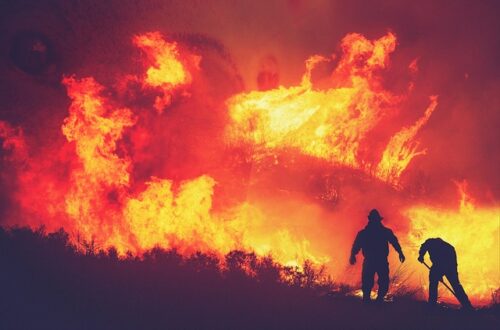
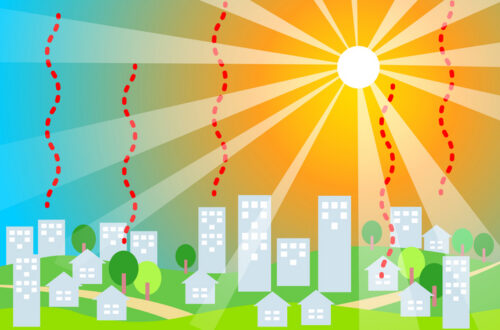
Wildfires are becoming more common and intense, and human-caused climate change is a big reason why. Here’s a simple explanation of how climate change fuels wildfires. 🔥 Why Are Wildfires Getting Worse? As the Earth’s climate warms, certain areas experience hotter, drier conditions and thirstier air. This dries out trees, plants, and grass, making them more likely to catch fire. When a fire starts—due to lightning, human activity, or other causes—it can spread quickly and become harder to control. In fact, fire seasons are lasting longer and happening more often than they used to. Wildfires and Climate Change: A Two-Way Street Wildfires aren’t just caused by climate change—they can make…
-
Smooth Sailing into the Future with Electric Ferries
Electric ferries are here! A new article from CleanTechnica shows a big change in how ferries are being made. Around 70% of new ferries being built around the world now run on electricity instead of gas. This is happening to cut down on pollution and help fight climate change. Why Electric Ferries Are a Big Win Most ferries today use diesel fuel, which gives off harmful gases that pollute the air and contribute to air pollution. Electric ferries, powered by batteries, produce no emissions during operation, making them cleaner for the environment and healthier for people, especially in coastal communities where ferries often operate. From Norway to Uruguay: The Ferry…
-
Hotter Earth, Sicker World: The Surge of Insect-Related Diseases
Climate change is making it easier for diseases spread by insects, like mosquitoes and ticks, to affect more people around the world. As temperatures rise and weather patterns change, these insects can live in more places and for longer periods. Now we’re seeing a surrge of insect-related diseases. What Are Insect-Related Diseases? Insect-related, known as vector-borne, diseases are are illnesses transmitted to humans through carriers like mosquitoes and ticks. These carriers, or “vectors,” pick up harmful germs from one host and pass them to another. Examples include: Malaria Dengue fever Zika virus Chikungunya Yellow fever These diseases are responsible for over 700,000 deaths each year and make up more than…
-
8 Simple Ways to Travel More Sustainably in 2025
Summer’s almost here! If you’re getting ready to pack your bags and head out on vacation, you’re probably super excited. But have you ever thought about how your travel choices can affect the planet and the people who live in the places you visit? The good news is, you can still have an awesome trip and be kind to the Earth! Here are eight simple ways to travel more sustainably—helping both the planet and the people you meet along the way. Choose More Eco-Friendly Airlines Some airlines are better than others when it comes to reducing the environmental impact of the aviation industry. This includes having a newer fleet, using…
-
Saving Species: True Stories of Survival and Second Chances
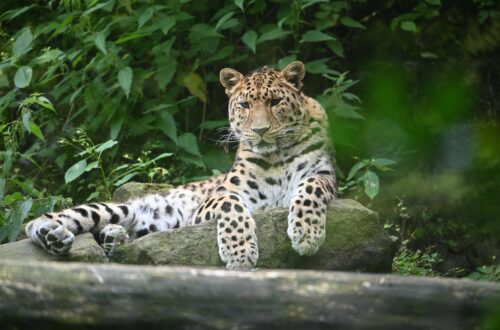
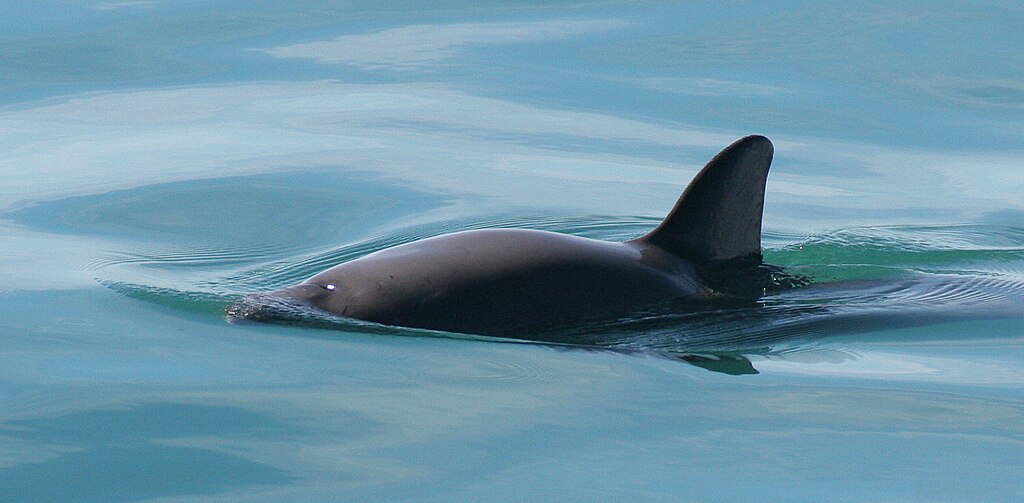
Hey there, animal lovers! Are you ready for some good news about saving species? 🐾 Did you know that some endangered animals once on the brink of extinction are now making an amazing comeback? Thanks to dedicated conservation efforts, some species have been given second chances and are thriving again. Here are the stories of saving species from extinction. Bald Eagle Once endangered due to hunting and dangerous pesticides like DDT, the bald eagle experienced a steep decline. However, protective laws like the Bald Eagle Protection Act, the Endangered Species Act (ESA), and the banning of DDT led to a significant recovery. Today, the bald eagle has grown to an…
-
Swinging Toward Extinction: The Fight to Save Borneo’s Orangutans
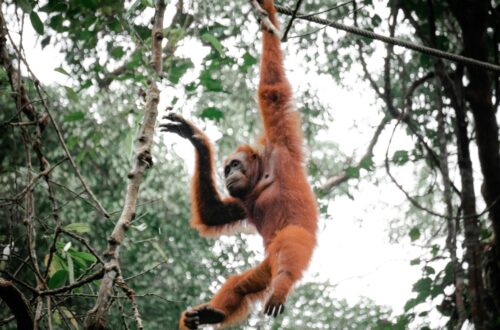
In the lush rainforests of Borneo, orangutans swing through the trees, raise their babies, and search for food. But now, palm oil plantations are destroying orangutan homes. A palm oil company called PT Equator Sumber Rezeki (ESR) has started cutting down large areas of forest in West Kalimantan, Indonesia. This forest is not just any forest—it’s a critical habitat for the Bornean orangutan, a species already in danger of disappearing forever. What’s Happening to Borneo’s Orangutans? ESR, part of the First Borneo Group, has begun clearing parts of a 15,000-hectare (about 37,000 acres) area of forest. So far, over 200 hectares (about 500 acres) have been cut down between August…
-
Cracking the Ice Myth: What’s Really Happening in Antarctica
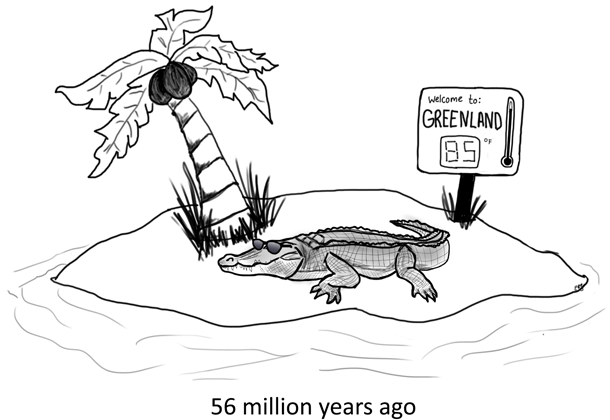
Some folks will say just about anything to deny that humans are heating up the planet. Lately, I’ve seen way too many posts claiming that Antarctica is gaining ice. So let’s clear this up—again. First: Weather is not the same as climate. A snowstorm or cold snap doesn’t mean global warming isn’t real. Second: Climate change doesn’t move in a straight line. It’s more like a rollercoaster—up and down, but overall heading in a downward direction. That’s because Earth’s systems are complex. Natural patterns, like ocean currents and air pressure systems, can temporarily speed up or slow down warming in different places. So, What Caused the Short-Term Gain in Antarctica?…
-
Good News For A Change: Hope Is On The Horizon
Hope is on the horizon! Amid the challenges, there’s good news: people everywhere are stepping up to protect our planet. From coral reef restoration and reforestation projects to massive clean energy expansions and some wildlife making a comeback, change is happening. Some endangered sea turtles are recovering. Countries are phasing out coal. Kids are leading climate marches. Nature is resilient—and so are we. A Bright New Record for U.S. Power In March 2025, something big happened—clean energy made more electricity than fossil fuels in the U.S. for the very first time! That month, renewable energy sources like wind, solar, and hydropower provided 51% of the country’s electricity, while fossil fuels…
-
Earth’s Coral Reefs Are in Big Trouble—Here’s Why
Since the beginning of 2023, about 84% of the world’s coral reefs have suffered from something called bleaching, according to the International Coral Reef Initiative. This is the worst global bleaching event ever recorded, even worse than the last big one that happened between 2014 and 2017. To say our coral reefs are in big trouble barely scratches the surface—this is an ocean emergency. What Is Coral Bleaching? Corals may look like underwater plants, but they’re actually animals—and they team up with tiny algae to survive. The algae give corals their bright colors and also provide food. In return, the corals give the algae a safe place to live and…
-
Big Ship Pollution: A New Deal to Clean Up the Seas
A New Deal to Clean Up the Seas Have you ever wondered how stuff from across the world ends up at your local store? Giant ships carry nearly everything we buy—clothes, toys, electronics, even food. But there’s a big problem: big ship pollution. Those gigantic ships burn dirty fuel, and that pollutes our air and warms our planet. Now, there’s a new plan to help change that. What’s The Big News? Countries around the world are working on a new agreement that would require ships to cut their pollution—or pay a fee if they don’t. This deal is being talked about by the International Maritime Organization (IMO), which is kind…
-
The Year Nature Couldn’t Keep Up
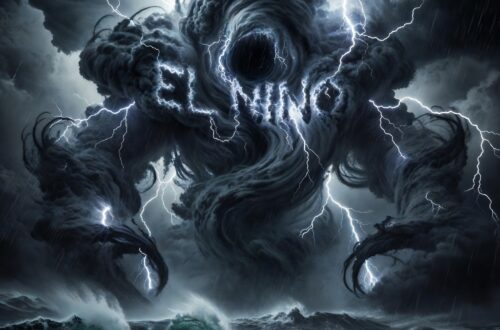
In 2024, scientists saw the biggest jump in carbon dioxide (CO₂) levels in Earth’s air since they started keeping track back in 1958. CO₂ went up by 3.58 parts per million compared to 2023, beating the old record from 2016. Nature couldn’t keep up. Most of this rise came from burning fossil fuels like coal, oil, and gas. On top of that, natural events like El Niño and massive wildfires in North and South America made things worse. We know all this from something called the Keeling Curve—a graph that shows how CO₂ levels have changed over time. It’s named after Charles David Keeling, the scientist who started measuring CO₂…
-
Ocean In Trouble: Toxic Algae Is Killing Sea Life
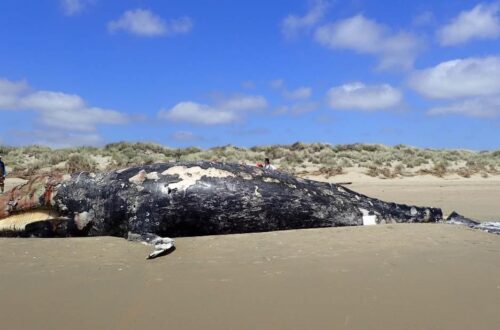
Off the coast of Southern California, something heartbreaking is happening for the fourth year in a row. A toxic algae bloom — caused by tiny ocean plants growing out of control — is making sea lions and dolphins sick. Many are getting stranded on beaches, helpless and confused. Some are even dying. This bloom started earlier than usual this year, likely because ocean waters are warmer than normal. Toxic algae produce a dangerous poison called domoic acid. It builds up in fish, and when sea lions and dolphins eat those fish, the poison attacks their brains. Sick animals may seem disoriented, have seizures, or lose their ability to swim and…
-
Frozen in Time: Glaciers on the Brink
Glaciers on the Brink: Imagine a world where the towering glaciers, nature’s ancient water reservoirs, are on the brink of vanishing before our eyes. This isn’t a scene from a science fiction movie—it’s our current reality. What Are Glaciers and Why Do They Matter? Glaciers are like giant frozen libraries! They contain all kinds of important information about Earth’s past. They are massive, slow-moving rivers of ice found in mountain regions and polar areas that store about 70% of the world’s freshwater. They also hold clues about past climate, how Earth has changed over time, and they even preserve plants, animals, and microorganisms that are really old. As they melt…
-
“Silent Screams: How Rat Poison Is Devastating Owls
Every night, I’m lucky to hear the deep, stuttering hoots of Great Horned Owls echoing through my neighborhood: hoo-h’HOO-hoo-hoo. Sometimes, the male and female of a breeding pair call back and forth in a duet, with the female’s voice sounding higher than the male’s. It’s like a secret nighttime concert, hidden in the trees. It breaks my heart to know that some of my neighbors are using rat poison — a danger that could devastate these majestic owls I’m so lucky to hear each night. Why Is Rat Poison Devastating Owls And Other Wildlife? When you think of rat poison, you probably imagine it just killing rats, right? Sadly, that’s…
-
Toxic Rice? How Climate Change Is Threatening Our Food
More than half the people in the world eat rice every day. But now, rising carbon dioxide and hotter temperatures are creating toxic rice. Global Hunger in Focus The world is already facing a huge hunger crisis. Right now, about 1.9 million people are experiencing extreme hunger, mostly in places like Gaza and Sudan, but also in parts of Sudan, Haiti, Mali, and parts of the Middle East. These people are very close to famine, which means not having enough food to survive. In one camp in northern Sudan, famine is already happening. Many of these hunger emergencies are getting worse each year because of many problems happening at the…
-
Pills in the Gills: Why Fish Are Acting So Weird
Fish are acting strange—and human medicines might be to blame! Find out how drugs from our bathrooms are ending up in rivers and messing with fish brains.
-
Rot On: How to Compost at Home
By Holly Shaftel, contributing writer In early 2019, I was looking for ways to save money at home. One day, I thought, “Hmm, maybe I can get rid of my trash bill!” I looked at my kitchen garbage and noticed how much plastic and food waste was in there. “What am I doing?!” I asked myself. I felt like a hypocrite — at the time, I was working in climate change communications, but I wasn’t living an eco-friendly life. I knew it was time for a change. That’s when I started reducing my waste and composting, which means turning things such as leaves and food scraps into fertilizer. Let’s talk…
-
What Is a Saola? Why This Rare Animal Desperately Needs Our Help
By Holly Shaftel, contributing writer Did you know there’s a unicorn that lives deep in the Annamite Mountains of Laos and Vietnam? Okay, it’s not really a unicorn, but it’s so rare and mysterious that people call it the “Asian unicorn.” This extremely rare animal is called the saola (pronounced “saw-la”), and scientists only discovered it in 1992! Since then, it’s been spotted only a few times, mostly by hidden wildlife cameras, from short-lived encounters, and from remains found in villages. The saola is a cousin of wild cattle but resembles an antelope. Its name means “spindle horns” because of the two long, straight horns on its head. Sadly, by…
-
Poison in Disguise: The Scary Side of Plastic Recycling
When we think of plastic recycling, we usually imagine helping the planet—turning old stuff into something new instead of throwing it away. But did you know that recycling plastic might actually be more harmful than helpful in some cases? We’ve grown up being told that recycling is the best way to help the planet. It became a badge of honor: rinse the yogurt cup, separate the caps, fill the blue bin. It felt like the right thing—and for a long time, it was one of the best tools we had. But now, the story’s getting more complicated. I’ve decided to dig deeper and ask myself, “Am I really helping?” I…
-
How to Spot Fake Graphs
Fake graphs pop up on social media all the time. And if graphs confuse you, you’re not alone—I’ve felt that way too! With all the lines, numbers, and labels, they can seem boring, messy, or even like they’re trying to trick you. But once you learn how to read them, graphs actually make things easier. They’re like a shortcut to show patterns or comparisons without a big wall of text. This guide will help you spot misleading and fake graphs faster—so you won’t fall for the tricks. Why Even Use a Graph? Sometimes, it’s the only way to clearly show trends, like how a population grows over time, or which…
-
Scientific Consensus: It’s Not a Vote, It’s the Evidence!
Scientific consensus is when most scientists agree on something after looking at a lot of evidence and doing many studies. Think of it like this: if 100 doctors all study the same illness and 97 of them say, “Yep, we’ve tested this, and this is what we’ve found,” then we say there’s a consensus—a strong agreement—on that topic. But it’s important to know: it’s not a vote. Scientists don’t just raise their hands and pick an answer. Instead, they do experiments, gather data, and check each other’s work. If many scientists get the same results over and over, that’s how a consensus forms. Examples of Scientific Evidence Include: Smoking causes…
-
Chapter 4 Secrets in the Hills: My Journey into the Santa Susana Field Laboratory
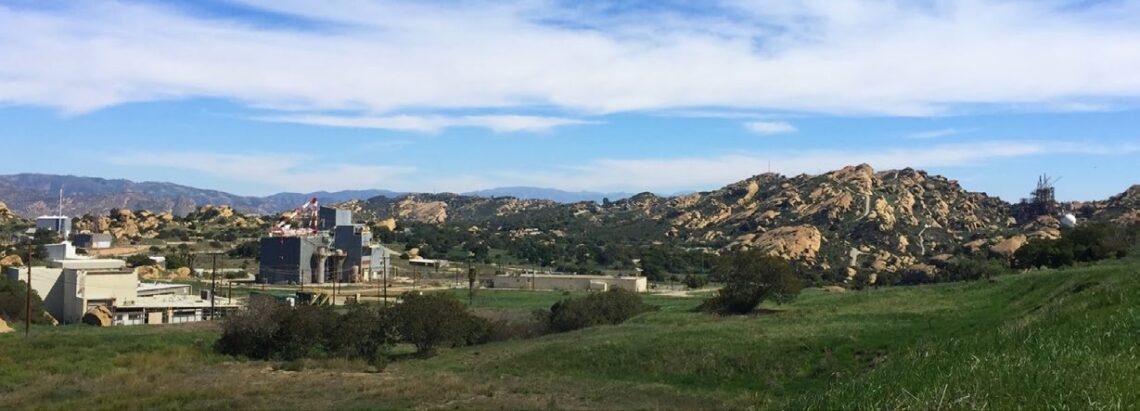
After a string of interviews — including group panels — I joined the the California Department of Toxic Substances Control (DTSC) in 2007. I made great friends and learned a ton, especially about how disinformation (people deliberately spreading false information) can shape public opinion. I also learned about endangered orangutans, which only deepened my commitment to protecting wildlife and wild places. My title was Public Outreach Specialist: I translated complex environmental issues into clear, accessible information for the public. One of my main assignments was the Santa Susana Field Laboratory (SSFL), a sprawling site between Ventura and Los Angeles counties. At first I thought, “No big deal.” I was wrong.…
-
The Shocking Truth About Factory Farming and the Environment
By Holly Shaftel, contributing writer When it comes to fighting climate change, many people know we need to stop using dirty energy (fossil fuels) like coal, oil, and gas and switch to clean power like solar and wind. But did you know factory farming — a way to raise animals for food in large-scale industrial settings for profit — is also a big problem? It doesn’t just heat up the planet — it also harms the environment in many other ways. (Plus, it’s a huge animal welfare issue.) Let’s take a look at the problems and some solutions. Greenhouse Gas Emissions The United Nations Food and Agriculture Organization (UN FAO)…
-
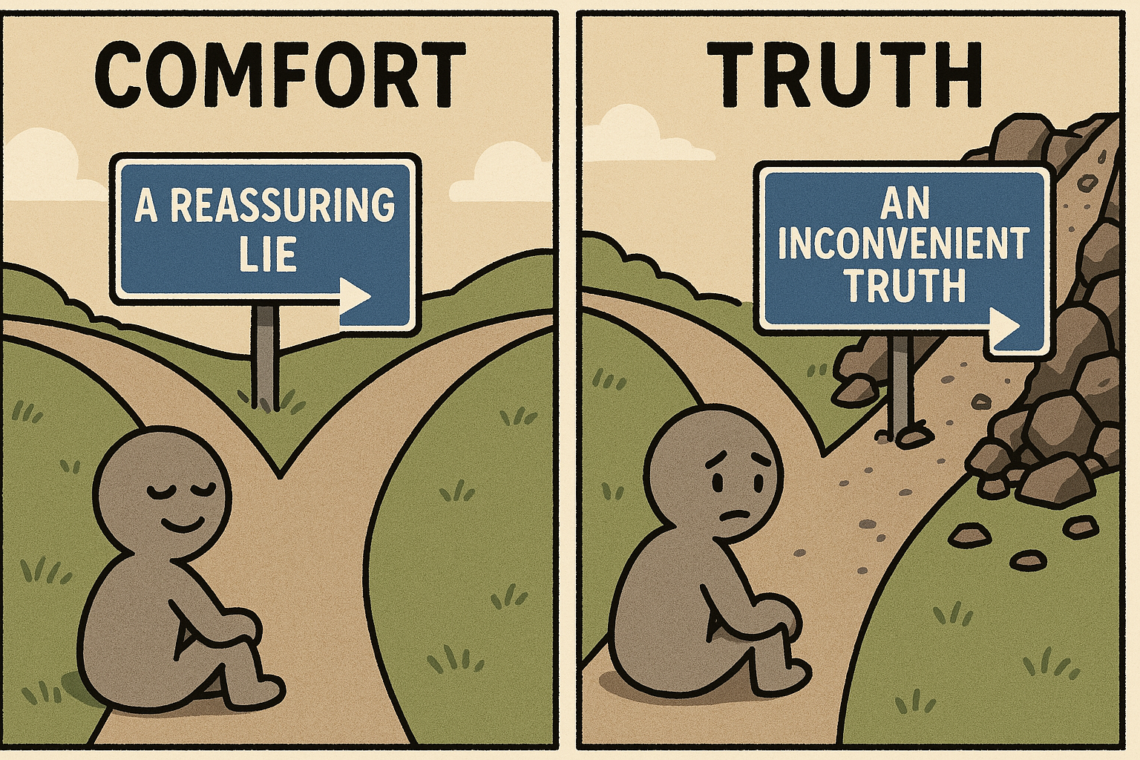
“An Inconvenient Truth”: More Right Than We Knew
People laughed (and still are) at Al Gore over his film, “An Inconvenient Truth”. The planet’s not laughing. I’m frankly tired of the lie that Al Gore’s predictions from his film were all wrong. Yeah, he got a couple of things wrong, especially the timing. But the science behind what he said? Still very real—and in some cases, it’s even worse than he predicted. Let’s break it down: Claim: “Within the decade there will be no more snows of Kilimanjaro.” What Really Happened: Timing was off, but the ice is disappearing quickly. Gore was a little early on the timing, but he wasn’t wrong about the big picture. The glaciers…

Eco Nana
Earth Advocacy for Future Generations