-
N2O – The Greenhouse Gas No One Talks About (But Should)
When people talk about climate change, two gases usually steal the spotlight: carbon dioxide (CO₂) and methane (CH₄). But there’s another greenhouse gas quietly heating up the planet—nitrous oxide (N₂O)—and most people hardly ever hear about it. I live in one of the most diverse and vibrant agricultural regions in the state. Here, winegrapes, olive trees, berries, and vegetables grow side by side, set against rolling green hills—at least in the winter. Farming is part of everyday life here. And that’s exactly why nitrous oxide matters so much. It’s closely tied to how we grow food, and even though it’s often overlooked, it packs a powerful climate punch. What Is…
-
Is the World Running Out of Fresh Water?
A new report from the United Nations (UN) warns that the world is running out of fresh water. The UN says we’ve entered a time called “water bankruptcy,” which means many places are under extreme water stress. Water stress happens when a community is using almost all the water it has—so there’s very little left to share. This often happens because water isn’t managed well, and climate change makes things worse by bringing longer droughts and less predictable rainfall. Many Big Cities Are Running Out of Fresh Water New research shows that about half of the world’s 100 biggest cities are running out of fresh water. That means places where…
-
The CO₂ Fingerprint: Proving Where Extra Carbon Comes From
If Earth had a detective story, carbon dioxide would be one of the biggest clues. Scientists know the amount of CO₂ in the air is rising—but the big question is why. Is it volcanoes? The ocean? Natural changes? Or is it us? It turns out carbon leaves behind a kind of fingerprint. By studying tiny differences inside carbon atoms, scientists can tell where that carbon came from. When they looked closely at the CO₂ building up in the atmosphere, the evidence pointed clearly in one direction: human activities, especially burning coal, oil, and gas. This carbon clue is called the Suess Effect, and it helps explain how scientists know the…
-
Vehicle-to-Grid (V2G): When Electric Cars Become Energy For All
It’s time for some good news! Vehicle-to-Grid (V2G) is a new way for electric cars to not just charge from the grid, but also send electricity back when it’s needed. It’s like using your car’s battery as a giant shared battery that helps keep power flowing in your town. Electricity goes both ways — into the car and back out to help homes and the grid. Vehicle-to-Grid (V2G) Bidirectional Charging Explained Vehicle-to-Grid (V2G) is a smart way for electric cars to both take electricity and give it back. Most cars today only do one thing:👉 Electricity flows one way — from the grid into the car. With V2G, electricity can…
-
Why Last Year Wasn’t the Warmest On Record
2025 was the third-warmest year ever recorded on Earth, according to Berkeley Earth. Only 2024 and 2023 were hotter. We’re emitting more CO2 every year, so why wasn’t last year this year even warmer? Even though Earth is warming over the long run, not every single year will be warmer than the one before it. That’s because natural climate patterns, like El Niño and La Niña, can give the planet little “boosts” or “breaks” from heat for a year or two. Right now, we’re experiencing La Niña conditions. Here’s an easy way to think about it: El Niño = temporary warming boost During an El Niño, the trade winds relax,…
-
How We Know What Earth’s Climate Was Like Long Ago
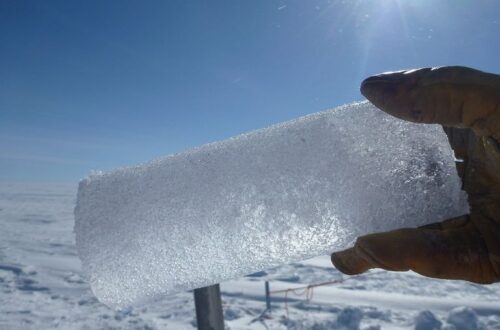
Part Three In Part One, we explored how scientists measure climate change right here on Earth’s surface.In Part Two, we looked at how satellites in space track changes across the whole planet. Now comes Part Three—one of the coolest parts of climate science: How scientists learn about Earth’s climate long before thermometers and satellites existed. So how do we know what Earth’s climate was like hundreds, thousands, or even millions of years ago? The answer: Earth keeps records of its own past. Scientists call this paleoclimate data—natural clues that reveal what the climate used to be like. Ice Cores: Climate Time Capsules One of the most powerful climate records comes…
-
Eyes in the Sky: How Satellites Track Earth’s Changing Climate
In Part One of this series, we learned how scientists measure climate change right here on Earth’s surface—using weather stations, ocean tools, and field surveys. In Part Two, we zoom out to space. Satellites help scientists see the whole planet. Together with ground measurements, they let scientists spot small changes up close and big patterns around the world. Think of satellites and aircraft as super-smart Earth cameras, orbiting the planet 24/7 and checking Earth’s vital signs. Here’s how they do it. They Measure Earth’s Temperature Satellites also measure temperature—but not with thermometers. Instead, they measure the energy (brightness) coming from Earth’s surface and atmosphere. Scientists use computer models to turn…
-
How Do We Know That Earth’s Climate Is Changing?
Part One Many people wonder how scientists can be so sure Earth’s climate is changing. After all, our planet is huge, and the weather changes every day. A cold day or a big storm can make climate change feel confusing. The answer is simple: scientists don’t rely on just one piece of evidence or a single tool. Instead, they look at the big picture. They use many different kinds of measurements, collected in different ways, over long periods of time. All of these clues point to the same conclusion. Scientists know Earth’s climate is changing in three main ways. They measure temperatures, rainfall, and sea level right here on Earth’s…
-
The Big Thaw: What’s Happening to Earth’s Ice Right Now
Earth’s ice might seem far away—at the top of the world or high on a mountain—but it quietly helps keep Earth livable. Frozen oceans reflect sunlight, glaciers store freshwater, and icy ground holds ancient carbon in place. Together, these frozen parts of our planet are called the cryosphere, and they act like Earth’s natural air conditioner. As 2025 comes to an end, scientists are taking a hard look at how that system is doing. The answer is sobering. From shrinking sea ice at the poles to retreating glaciers and thawing permafrost, Earth’s ice is changing faster than expected. What’s happening in these frozen places doesn’t stay there—it affects sea level,…
-
A Planet Under Pressure: Global Emissions in 2025
As 2025 wraps up (even though it feels like it just started!), here’s a quick update on global greenhouse gas emissions. Sadly, the news isn’t great—our three biggest heat-trapping gases are still risi Carbon Dioxide (CO2) Emissions CO₂ is one of the main greenhouse gases. Greenhouse gases act like a blanket around Earth, trapping heat. We need some of them to keep the planet warm enough for life, but too much makes Earth heat up too fast. CO₂ comes from burning fossil fuels like coal, oil, and natural gas. It also comes from wildfires and volcanoes. Scientists have been measuring CO₂ since 1958 at the Mauna Loa Observatory in Hawaii.…
-
To My Kids and Grandkids, I Will Never Stop Fighting
Some of you may know that I’ve been fighting for offshore wind in California. Right now, it feels like those of us who care about keeping our planet livable are losing ground. Recently, the fossil fuel industry won again. They have managed to stall or shut down offshore wind projects all over the world, helped by the current political administration — leaving China as the only major country still moving forward at full speed. They keep finding new ways to block progress. They pour money into ads, lawsuits, and even local groups pretending to be “environmental organizations” that spread fear and false information. They’ll use anything—misleading photos, rumors, and scare…
-
The Great Recycling Adventure Quiz
Hey kids! Are you 14 years old or younger? If so, get ready for the great recycling adventure quiz! If you want to prepare, there are some great resources at the back of the quiz. I’ll also list them below. Recycling matters because it helps protect the planet we all depend on — and it’s something everyone your age can do that actually makes a difference. After you learn the facts, share them with your family members! Did you know that recycling: Saves natural resources. Everything we use comes from somewhere. Paper comes from trees, metal comes from rocks underground, and plastic comes from fossil fuels. When we recycle, we…
-
Carbon Capture Explained: Is It Really Worth it?
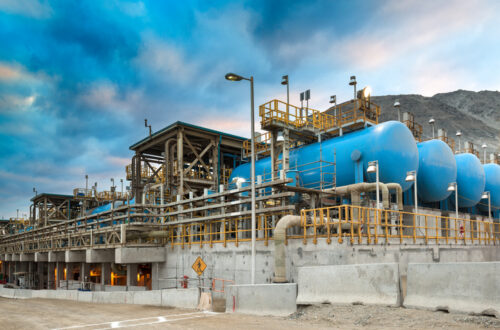
You know me: I’m always trying to understand the latest “big climate solutions” people are talking about. And lately, I keep hearing about carbon capture — a super-fancy idea that sounds like a giant vacuum cleaning up the sky. ExxonMobil loves to tout it as a “real solution” to address climate change. But does it really work? And can it help our kids and grandkids grow up on a healthy, stable planet? Let’s look into this together. Okay… What Is Carbon Capture, Really? Carbon capture is a set of technologies that try to grab carbon dioxide (CO₂) before it escapes into the air — or pull it straight from the…
-
Earth’s Losing Its Shine (And That’s Not Good)
Have you ever noticed how bright our planet looks from space? Earth usually reflects sunlight like a giant blue-and-white mirror. But scientists have discovered something surprising: Earth is losing it’s shine and is actually getting dimmer. What “Getting Dimmer” Means Our planet has a property called albedo, which is the fraction of sunlight that gets bounced back into space. Earth has been losing its shine for decades, reflecting less light back into space—and the amount of light reflected by the Northern Hemisphere is decreasing more quickly than that of the Southern Hemisphere, recent research suggests. For a long time, scientists believed both hemispheres reflected roughly the same amount of light.…
-
Pods, Sheets, and Hidden Plastics: What’s Really in Your Detergent?
I try to do the right thing — recycle, reuse, and make choices that are better for the planet. But I’m learning something new every day. Recently, thanks to my friend, Kathleen, I found out that those “eco-friendly” laundry pods and detergent sheets I thought were a smart switch weren’t so green after all. The thin film that makes them “dissolve” in water is actually made of plastic — hidden plastic that doesn’t really disappear. Pods and laundry sheets marketed as eco-friendly aren’t at all! Although that film, called PVA, may look harmless, but it actually adds more microplastics to our waterways—and even our bodies. What Exactly is PVA? PVA,…
-
Why Methane Matters: The Short-Lived Gas with a Big Impact
Since about 2006, methane levels in Earth’s atmosphere have been climbing fast — mostly because of human activities. It is a super-powerful greenhouse gas that traps heat, but it doesn’t last as long in the air as carbon dioxide does. It’s also the second-largest contributor to rising global temperatures after carbon dioxide (CO₂). It’s already added about half a degree Celsius of global warming since the late 1800s. To keep global warming within the limits of the Paris Agreement, we have to cut methane emissions quickly and deeply. Natural sources like wetlands are hard to control, so the biggest opportunity is reducing this human-made (anthropogenic) greenhouse gas — from things…
-
Nuclear Power: Clean Energy Hero or Environmental Headache?
I live near the Diablo Canyon Nuclear Power Plant. Lately I’ve seen a flood of posts claiming that nuclear power is the cleanest and cheapest form of energy. It sounds promising — after all, we urgently need low-carbon energy sources to tackle climate change. But every technology has trade-offs, and nuclear power is no exception. From its enormous water use and radioactive waste to its reliability and carbon-free output, the truth is far more complex than the headlines suggest. So let’s look at the facts — the real pros and cons of nuclear power. The Bright Side of Nuclear Power Low carbon emissions: Once a nuclear power plant is running,…
-
Bamboo Plastic That Breaks Down in 50 Days
What if we could keep all the things we love about plastic — strength, flexibility, convenience — without the pollution? Scientists in China just created a new kind of bioplastic made from bamboo that’s strong, safe, and breaks down naturally in less than two months. That’s right. No more waiting forever for plastic bottles and bags to disappear (they never really do)! Nature Meets Science Researchers at Northeast Forestry University found a way to turn fast-growing bamboo into something that works just like regular plastic, but it’s not made of oil or natural gas. Using a safe, alcohol-based process, they broke down bamboo cellulose — the stuff that gives bamboo its…
-
The Arctic Is Getting Greener—But That’s Not Good News
https://www.nature.com/articles/s43247-025-02768-2As our planet heats up, the Arctic is getting greener. I just read an interesting study about how all those new plants—especially shrubs—could be changing what’s going on underground in the frozen soils known as permafrost. For four years, scientists in northern Greenland ran an experiment to see what happens when frozen soil is exposed to air and mixed with dead plant bits, called litter. They were trying to picture what the Arctic might look like as plants keep spreading north. The results were pretty wild: that extra plant material actually changed the DNA of the tiny microbes living in the soil! Those microbes got busier—and hungrier—breaking down old carbon…
-
Clean Energy, Fresh Produce: How Agrovoltaics Helps Farmers Beat the Heat
Imagine you’re walking through a field close to home. Except, here’s the twist: above parts of the crops are solar panels. These solar panels are quietly making clean electricity while lettuce, beans, or even sheep thrive underneath. That’s agrovoltaics — combining farming and solar power on the same land. And guess what? It’s not just theory — there are real examples! A City Girl in Farm Country Although I’ve always been a city girl, about three and a half years ago I moved to an agricultural area. I hear a lot about struggling farmers here — and even more about the challenges in California’s hot, dry Central Valley. Water is…
-
When Plastic Breaks Down, Kids Pay the Price
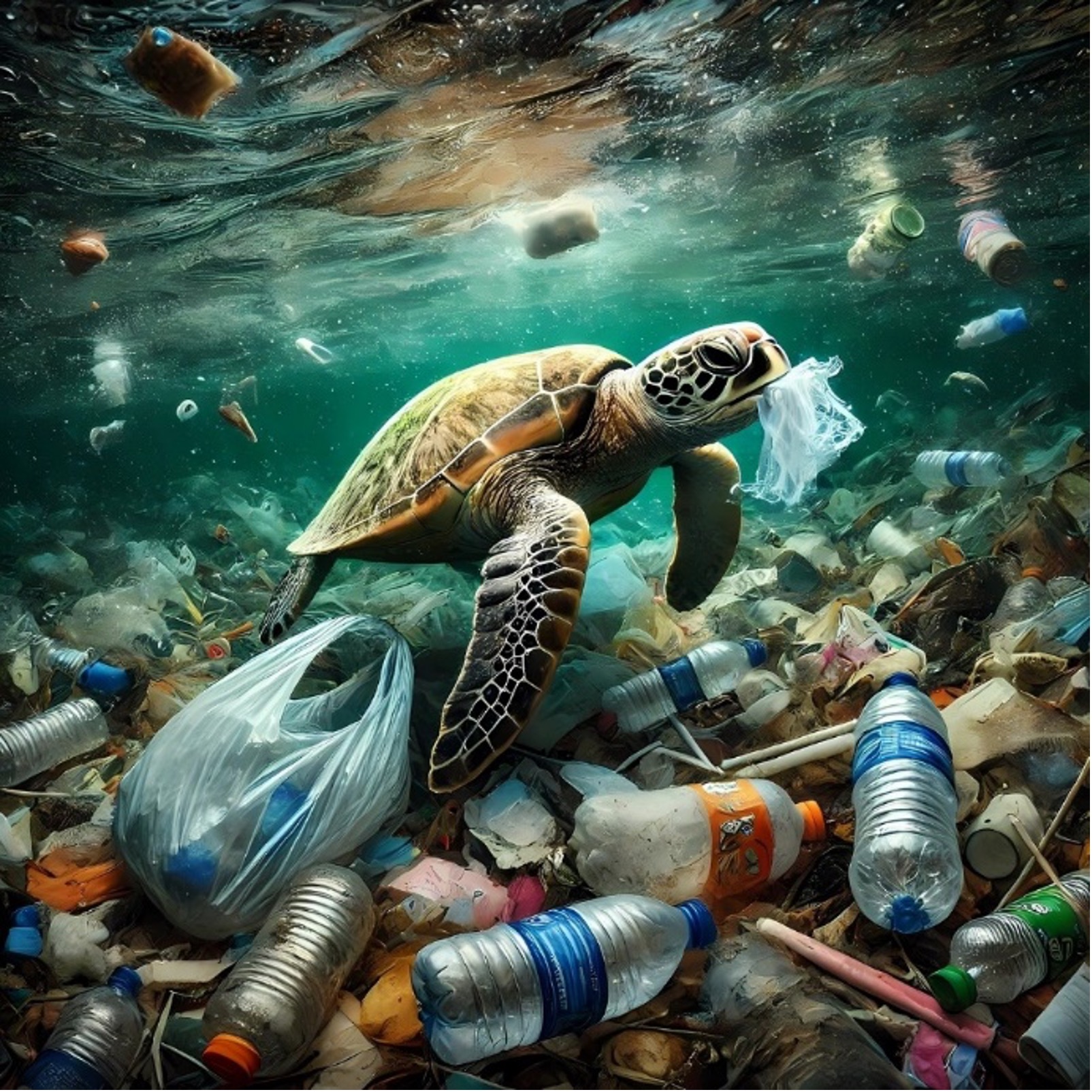
Microplastics are tiny pieces of plastic—no bigger than 5 millimeters, about the size of a pencil eraser. They’re everywhere. Each year, people release an estimated 10 to 40 million metric tons into the environment, and if we don’t change our habits, that amount could double by 2040. Most microplastics come from bigger plastic items that slowly break apart, but some are actually made on purpose and added to everyday products like paint, cleaning supplies, toothpaste, plastic-wrapped food, and even baby bottles and shampoo. Plastic may be convenient, but it’s more than just trash on beaches and roads. It can sneak into bodies — especially young ones — in surprising ways.…
-
Parenting Climate Disasters, Trauma, and Recovery
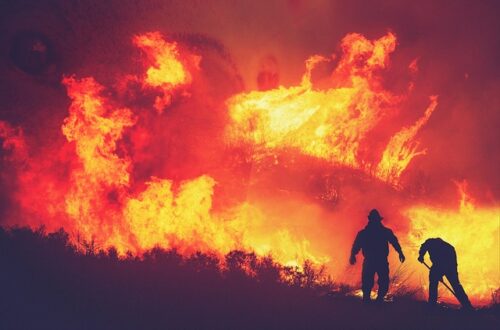
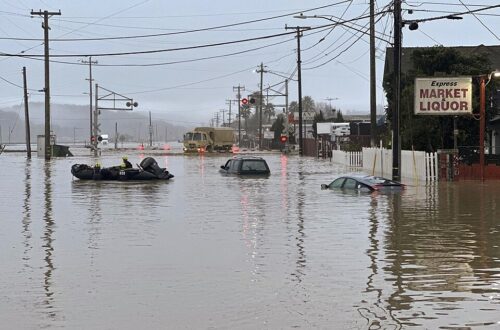
Guest Post by Natasha Stavros, Ph.D. Climate disasters, like wildfires, are becoming more frequent and severe due to climate change. For parents, this isn’t just about rebuilding homes or replacing toys and other belongings. It’s also about caring for children while managing trauma. Research shows that people who have experienced a climate disaster often suffer Post-Traumatic Stress Disorder (PTSD) at levels similar to those returning from a war zone. What does this mean for parents? My Story: Parenting Through Wildfire Trauma The first time that I evacuated my home because of a wildfire was in 2003. Since then, I’ve evacuated two other times, and twice I’ve watched my communities burn.…
-
Blue Whales Are Going Quiet — and That’s a Big Warning
Under the ocean’s surface, there’s an underwater symphony. Blue whales and other marine mammals fill the water with songs and calls, almost like an underwater orchestra. To eavesdrop on this symphony, scientists use special tools called hydrophones — microphones designed to work underwater. In this case, researchers used a hydrophone anchored 3,000 feet below the surface. What Did the Scientists Find? Over six years, researchers from the Monterey Bay Aquarium noticed something troubling along the California Coast. Blue whales and fin whales began singing less often when the ocean got unusually warm. Scientists say the silence is a serious warning. Meanwhile, some whales that eat lots of different things (like…
-
Melting Permafrost in Siberia is Creating Explosive Craters
Imagine this: you’re walking across the frozen tundra in Siberia and—whoa—there’s a giant hole in the ground, big enough to swallow a house. No, it’s not a scene from a sci-fi movie. These craters are real, and scientists have been finding more of them over the past decade. The big question: what’s going on? What’s Hiding Under the Ice? Siberia is covered in permafrost, soil that usually stays frozen solid all year long. But, as the planet heats up, permafrost is thawing faster than ever. That’s already causing big problems you can see—like sinkholes opening up, telephone poles leaning, roads and runways cracking, and forests where trees just topple over.…
-
Eco-Smart Products That Make a Difference
Taking care of the planet really matters to me, so I’ve been trying to make small changes in my life over time. I first drove hybrid cars, like the Honda Insight and later the Prius Prime, which worked great for everyday driving. A few years ago, I made the jump to a fully electric car—and honestly, I love it! At home, I’ve been swapping out old products for eco-friendly ones, step by step. I bought my current home about three years ago, and though it’s been a financial stretch, my boyfriend and I invested in solar panels, a heat pump system (for heating, cooling, and hot water), and an induction…
-
Turning Sunlight into a Lifeline: Clean Energy in the Amazon
Part One I’ve been lucky enough to travel to the Peruvian Amazon. Many families there live without electricity, refrigerators, and wash their clothes in nearby rivers. Something as simple as flipping on a light switch or keeping food is a daily struggle. For many Indigenous communities in the Amazon, this is just everyday life. But even with all these challenges, something amazing is starting to shine through — a spark of hope powered by the sun and built on deep respect for the land. The Big Problem: Power and Pollution in the Amazon The Amazon isn’t just a forest — it’s is one of the most amazing places on Earth.…
-
The Hidden Climate Impact of Bottom Trawling
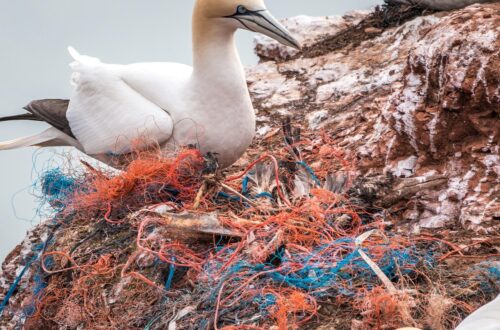
As a scuba diver, I’ve seen the wonders of the undersea world—brilliant coral reefs, swaying seagrass meadows, and the incredible creatures that call these places home. That’s why what happens with bottom trawling feels so devastating. Picture this: a huge fishing boat drags a massive, weighted net across the seafloor. It tears through everything in its path, scooping up fish. At the same time, it crushes coral reefs, seagrass meadows, and habitats that have taken centuries to grow. Behind it, clouds of dark mud swirl like an underwater storm. Even stingrays and baby sharks get trapped, with no chance of escape. This method, called bottom trawling, is one of the…
-
No, LA Didn’t Run Out of Water During the Fires
Fact-check It’s been almost eight months since wildfires tore through Los Angeles County, but the wild rumors just won’t quit. Some people say “LA ran out of water.” Others claim “California didn’t take care of its forests.” Then there are the over-the-top ones—like fires being part of a plot by “global elites” to clear land, or a tiny fish called a smelt being the cause. And my favorite? That Governor “Newscum” (yep, that’s the nickname floating around online) refused to sign a “magic” water plan that supposedly would have sent endless gallons south every day. Sounds like a comic book, right? But here’s the real question: why do these conspiracy…
-
Building Power! Concrete That Makes Its Own Energy
A team of researchers at Southwest University in China created a special kind of smart concrete that can make and store electricity. They mixed regular cement with a material called PVA hydrogel, making a new type of concrete that stays strong like regular concrete. Bonus: your walls could power themselves while building a greener future! How Smart Concrete Works Inside the concrete, tiny particles and water let electric charges move around. When one side gets hot and the other stays cooler, this ‘thermo-ionic effect’ makes the charges flow and generate electricity. It’s kind of like when a small thermometer creates electricity if it’s hot on one end and cold on…
-
How Reliable Are Satellite Temperature Measurements?
Some people who reject climate science claim satellites are the “real truth-tellers” when it comes to Earth’s temperature. But here’s the kicker: satellites don’t actually measure temperature at the surface where we live—they measure microwave radiation coming from oxygen molecules way up in the atmosphere. That data has to be modeled and pieced together like a giant puzzle. Ground thermometers, on the other hand, give us direct, accurate readings right where it matters most. That’s why scientists worldwide rely on them to track how fast our planet is heating up. Here’s why ground-based measurements are the gold standard: Satellites don’t measure temperature directly Satellites don’t measure temperature directly, or even…

Earth Advocacy for Future Generations